October 11, 2026
Haitian Food in Miami: A Guide to Griot, Diri ak Djon Djon, and Where to Eat It

Miami-Dade is home to the largest Haitian community in the United States, and yet Haitian food remains the most under-covered cuisine in a city that will write ten thousand words about a new omakase counter. That's a shame, because it is also one of the most rewarding things you can eat here. It is deeply seasoned without being fussy, generous to the point of comedy, and — outside of a few sit-down rooms — remarkably cheap. A platter that feeds two people costs less than a single entrée in Brickell.
The barrier for most newcomers isn't the food. It's the menu. Haitian menus in Miami are usually written in Creole, sometimes with a French gloss and rarely with an English one, and the counter is busy. If you don't know that griot is fried pork shoulder or that diri ak djon djon is the black mushroom rice everyone is quietly judging the kitchen on, you end up pointing at a photo and hoping. This guide fixes that. We'll walk through the pantry and the core dishes first, then the restaurants, bakeries, and seafood shacks worth the drive.
One geographic note before we start: Little Haiti is still the cultural heart of the scene, but it is not where most of the eating happens anymore. Rising rents pushed the restaurants north years ago, and today the densest concentration of Haitian kitchens in Miami-Dade runs along West Dixie Highway and NE 2nd Avenue through North Miami and North Miami Beach. A few have gone further still — Doral, Palmetto Bay, the Gables edge. Plan accordingly.
The Pantry: Why Haitian Food Tastes the Way It Does
Almost every savory dish in a Haitian kitchen starts with epis — a green marinade of parsley, scallion, garlic, thyme, bell pepper, onion, and Scotch bonnet, blitzed with citrus and oil and kept in a jar in the fridge. Meat sits in it overnight. It's the reason Haitian pork and goat taste seasoned all the way through rather than just on the crust, and it's the single biggest difference between a good version of a dish and a flat one.
The second building block is sour orange and lime. Haitian cooks wash and marinate meat in citrus almost obsessively, which cuts richness and gives braises a bright back note. The third is Scotch bonnet, used with more restraint than you'd expect. Haitian food is not, as a rule, a punishing-heat cuisine — the chili usually lives in the condiment rather than the dish, which brings us to pikliz.
Pikliz is shredded cabbage, carrot, and onion pickled with Scotch bonnet and vinegar, and it is the thing that makes the whole plate work. It arrives in a plastic cup or a jar on the table, and you put it on everything: the fried pork, the plantains, the rice, the patty you're eating in the car. It's crunchy, sharp, and genuinely hot. If a restaurant's pikliz is limp or sweet, it tells you something about the rest of the kitchen.
Griot: The Dish Everything Else Orbits
If you eat one Haitian thing, eat griot (pronounced gree-oh). Pork shoulder is cut into chunks, marinated in epis and citrus, braised until it surrenders, then fried until the outside goes lacquered and crackly while the inside stays juicy. It comes with fried plantains — bannann peze, smashed and double-fried — and rice, and a cup of pikliz.
Great griot is a texture argument. You want real crust, not a uniform beige fry; you want the meat to pull apart rather than shred into strings; and you want it to taste of garlic and thyme rather than just salt. Reheated griot is the enemy, which is why the best spots are the busy ones where the fryer never stops. Order it at lunch on a weekday and you're eating it at its peak.
Where to eat griot in Miami:
 Chef Creole Seafood & Catering
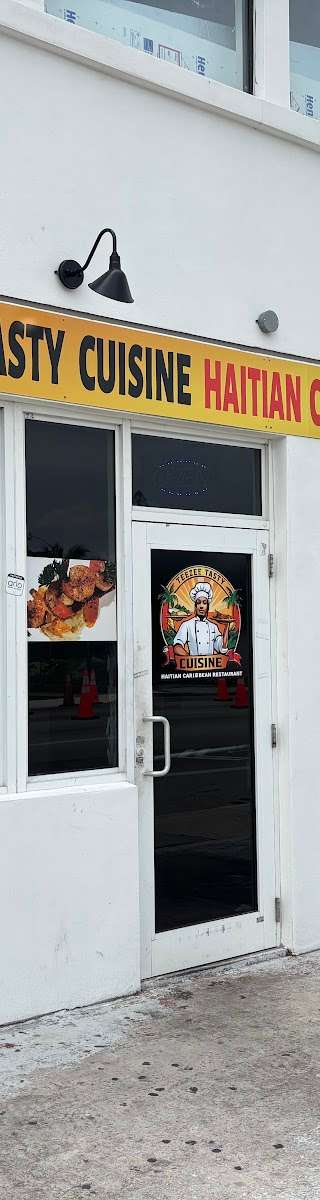 TeeZee Tasty Cuisine
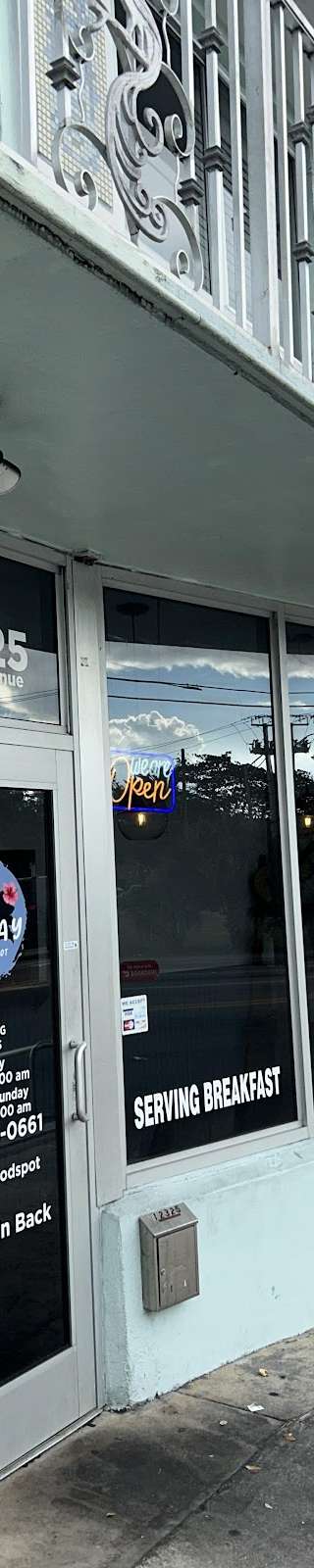 Lakay Food Spot
 Chez Le Bebe
Chef Creole is the name most Miamians reach for first, and its Little Haiti original has been feeding the neighborhood — and every Heat player, city commissioner, and touring musician who's passed through — since the late 1980s. Chez Le Bebe is the old-guard counter on NE 54th Street that has been serving the same three-item plate for decades; the Google rating undersells it badly, because the room is spare and the service is brisk, and neither of those is the point. Lakay Food Spot graduated from a food truck to a storefront and kept the crispy akra and fried goat that made the truck worth chasing.
Diri ak Djon Djon and the Rest of the Plate
Diri ak djon djon — black mushroom rice — is the dish that separates a competent kitchen from a great one. Djon djon are tiny dried black mushrooms grown in northern Haiti; you steep them, strain the liquid, and cook the rice in it. The result is jet-black, faintly smoky, and unlike any other rice in the Caribbean. It is labor-intensive and the mushrooms are expensive, so plenty of places serve it only on weekends or as a special. When you see it, order it.
The rest of the plate follows a logic worth learning. Legume is a slow-cooked purée of eggplant, chayote, cabbage, and spinach braised down with beef or crab until it's almost a stew — the most soulful thing on most menus and the one nobody orders. Tasso (or tassot) is goat or beef given the same marinate-and-fry treatment as griot, chewier and more intense. Poul nan sos is chicken in a tomato-and-pepper creole sauce, the everyday comfort order. And diri kole ak pwa — rice and beans cooked together — is the default carbohydrate when djon djon isn't available.
Where to eat diri ak djon djon and the full plate:
 Manjay Restaurant
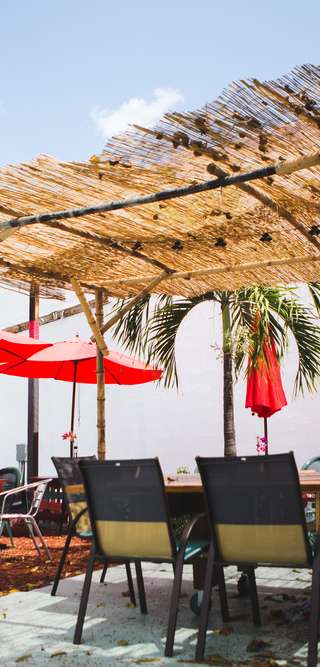 Naomi’s Garden Restaurant & Lounge
 Chez Louise Restaurant
 Noula Prime Haitian Cuisine
Manjay is the most polished argument for Haitian food in Miami — a proper restaurant with a bar, a design budget, and a kitchen doing djon djon and legume at a level that would justify twice the price. Naomi's Garden, on NW 71st Street, is the opposite energy: a leafy courtyard, a sound system, and enormous platters, and it's been a Little River anchor for years. Chez Louise and Noula Prime are the quieter neighborhood picks — Chez Louise on North Miami Avenue in the North Miami stretch, Noula Prime way down in Palmetto Bay, serving a part of the county that otherwise has almost nothing.
Creole Seafood: Snapper, Conch, and Crab
Haiti is an island, and the seafood cooking reflects it. The signature preparation is whole fried snapper — pwason gwo sèl, scored, seasoned, and fried hard, then either served dry with pikliz or bathed in a creole sauce of tomato, onion, and pepper. Lambi is conch, either stewed until tender in creole sauce or grilled; it's chewy in the good way and shows up on almost every menu. Crab, when it appears, is usually stewed and served in the shell with rice for sopping.
This is the corner of the cuisine where Miami has a real advantage over most of the diaspora — the fish is local and it's fresh, and a whole snapper platter here runs a fraction of what a comparable piece of fish costs at a waterfront restaurant on the bay. If your benchmark for seafood value is a $60 branzino, this will reset it. For the other end of that spectrum, our waterfront dining guide covers the view-first rooms.
Where to eat Haitian seafood in Miami:
 Bon Bagay Seafood & Grill
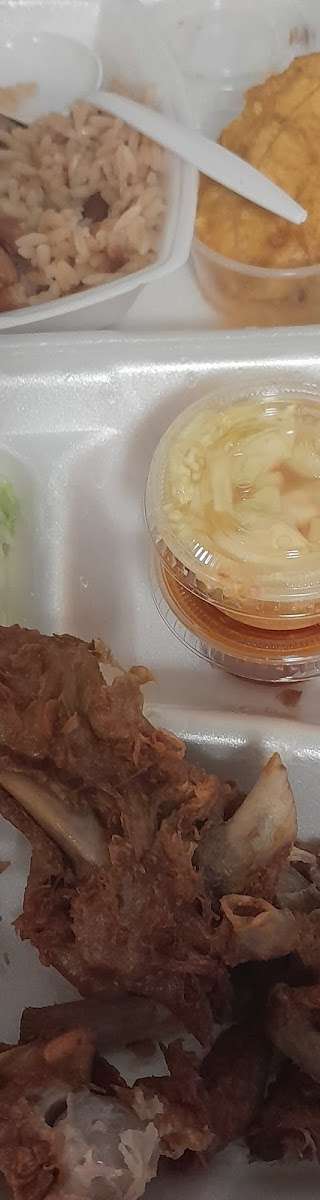 Fidele Seafood Restaurant
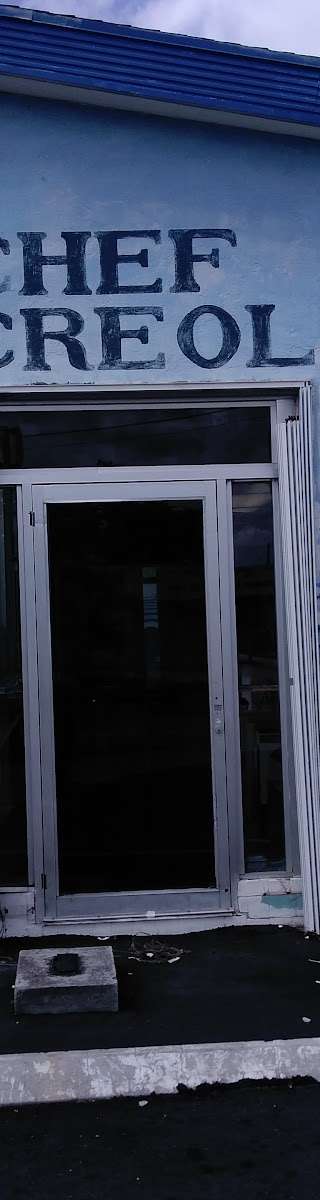 Chef Creole Seasoned Restaurant - North Miami
Bon Bagay and Fidele are both North Miami operations built around the fryer and the fish case, and both are worth ordering the whole snapper at rather than defaulting to griot. The West Dixie Highway outpost of Chef Creole is the more comfortable sit-down version of the Little Haiti original, and its conch and crab plates are the reason to go there instead.
Pâté, Patties, and the Bakery Counter
The fastest, cheapest way into Haitian food is the bakery. Pâté (or paté kòde) is a flaky, layered pastry turnover filled with spiced ground beef, salted cod, herring, or chicken — closer to a French puff-pastry chausson than to a Jamaican patty, with a lighter crumb and a less aggressively yellow crust. They run a couple of dollars, they're best within twenty minutes of coming out of the oven, and you eat them standing up.
Haitian bakeries also do a brisk trade in pain patate (a dense sweet-potato pudding), du riz (a sweet rice pudding), and the bread itself — a soft, slightly sweet loaf that's the base for the Haitian sandwich counter. Wash it down with a Cola Couronne, the fluorescent-pink Haitian cream soda that tastes exactly as sugary as it looks. If you're building a cheap-eats route through the city, these counters belong on it alongside the picks in our Miami cheap eats guide.
Where to eat pâté and Haitian bakery goods:
 Pates Plus Bakery
 Piman Bouk
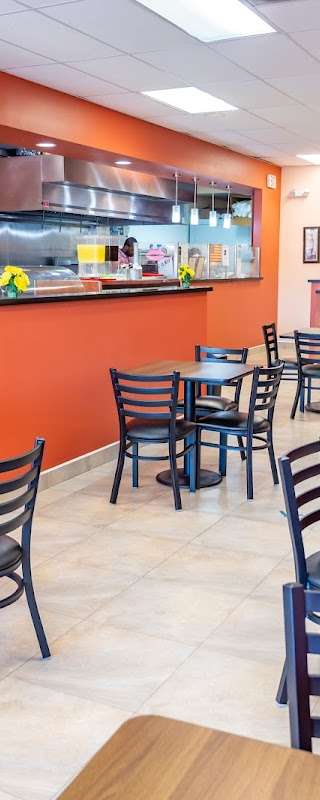 Jooda Restaurant Subs and Bakery
Pates Plus is exactly what the name promises — a West Dixie counter that exists to sell you pâté, and does it well enough to have outlasted most of its competition. Piman Bouk is the Little Haiti holdout, cash-only, with patties that cost less than a coffee. Jooda splits the difference between bakery and sandwich shop; if the Haitian sandwich format appeals, our Miami sandwich guide maps the rest of the city's counters.
Soup Joumou and the Sit-Down Rooms
Soup joumou deserves its own paragraph. It's a squash-based soup with beef, pasta, potato, cabbage, and turnip, and it carries more historical weight than any other dish in the cuisine: enslaved Haitians were forbidden from eating it under French rule, and after independence on January 1, 1804, it became the dish of freedom. Haitian families eat it every New Year's Day, and UNESCO added it to its intangible cultural heritage list in 2021. In Miami, the traditional window is Sunday morning, and a handful of restaurants run it weekly rather than annually.
The rooms below are also where you go when you want Haitian food with table service, a drink, and a chair you can sit in for two hours — the harder thing to find, since so much of the scene is counter-service by design. Several run kompa nights on weekends, which changes the calculus entirely on whether this is a quick dinner or the whole evening.
Where to eat soup joumou and sit down for a while:
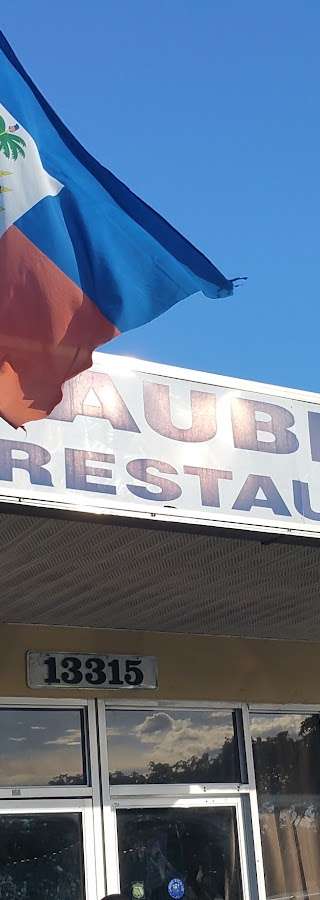 L'Auberge Restaurant
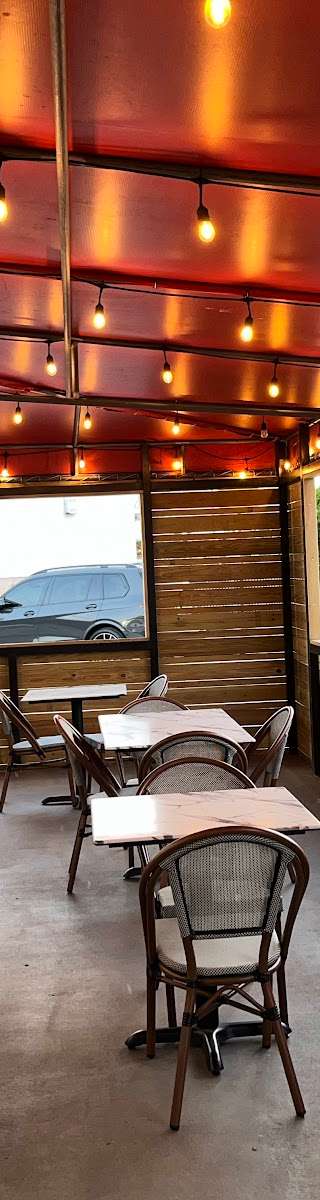 Mange Lakay and Lounge
 Family Cuisine
 La Fourchette Restaurant
L'Auberge is the North Miami institution for Sunday soup joumou — go in the morning, before it runs out, because it does. Mange Lakay adds a lounge to the formula. Family Cuisine in North Miami Beach and La Fourchette on North Miami Avenue are the reliable neighborhood sit-downs, neither of which will surprise you and both of which will feed you well.
Beyond Little Haiti: Where the Scene Is Now
The most interesting development in Miami's Haitian food scene is that it has stopped being confined to one neighborhood and one format. Manjay opened a second location in Doral, planting Haitian food in the middle of the city's Venezuelan corridor — worth a detour if you're already working through our Venezuelan food guide. Haitian pizza has become its own small genre, layering griot and tasso onto a pie in a way that sounds like a stunt and eats like a legitimately good idea. And Haitian vegan cooking — which has deeper roots than the trend framing suggests, given how much of the traditional repertoire is legume, plantain, and bean-based — now has real restaurants behind it.
Where to eat Haitian food outside Little Haiti:
 Manjay
 1804 HAITIAN PIZZA
 Vegan Marie
Manjay's Doral location brings the same djon djon and legume west. 1804 Haitian Pizza takes its name from the year of independence and puts griot on a pizza; the number of people who have gone in skeptical and come out converted is not small. Vegan Marie proves the plant-based version isn't a compromise — it's a straight read of the parts of the cuisine that were already vegetable-forward, and it's one more reason to look past the usual suspects on our Miami vegan guide.
How to Order Your First Time
If you're walking into a Haitian restaurant for the first time and want to do it right: order the griot platter with diri ak djon djon if they have it and diri kole if they don't, add a side of legume, and take as much pikliz as they'll give you. That's the cuisine in one tray. If it's a Sunday morning, get the soup joumou instead and thank us later. If you're at a bakery counter, buy three pâté — one beef, one cod, one whatever they're pushing — and eat them in the parking lot while they're still hot.
Bring cash. Several of the best places on this list either don't take cards or would rather you didn't. Expect portions built for sharing, expect the check to be smaller than you budgeted, and expect the pikliz to be hotter than it looks. Twenty-one restaurants is a start, not a survey — Miami-Dade has hundreds of Haitian kitchens, and the ones that never make a list are frequently the ones with the best griot. Go find them.