October 19, 2026
The Best Brazilian Restaurants in Miami: Churrascaria, Feijoada, Pão de Queijo, and Açaí

Ask most people in Miami about Brazilian food and they will say one word: churrascaria. Fair enough — the rodízio houses are the loudest, most visible version of the cuisine, and Miami has more of them per square mile than almost anywhere outside Brazil. But if that is where your Brazilian eating starts and stops, you are missing roughly ninety percent of what the country actually eats.
Miami has one of the largest Brazilian communities in the United States, concentrated along a corridor that runs from North Beach up through Sunny Isles, Aventura and North Miami Beach, with a second cluster out west in Doral and Kendall. That population supports a whole everyday food economy that has nothing to do with tableside meat carving: per-kilo lunch buffets where you build a plate and pay by weight, bakery counters stacked with coxinha and pão de queijo, botecos pouring caipirinhas with a soccer match on the wall, and açaí windows serving the real thing — thick, cold, barely sweet — rather than the smoothie-shop imitation.
This guide covers all of it. Start with the churrascarias if you want the spectacle, but the sections after it are where the cooking gets more interesting and considerably cheaper.
Churrascarias: The Rodízio Rooms
The format is simple and famously hard to stop eating at. You pay a fixed price, you get a card that is green on one side and red on the other, and as long as it is green, passadores keep coming to your table with skewers of grilled meat — picanha above all, plus linguiça, chicken hearts, lamb, garlic sirloin, bacon-wrapped filet. The salad bar and hot bar are included, and at the better places they are worth a plate of their own before the meat starts.
What separates the good ones from the merely large is the quality of the picanha, how well-seasoned it is, and whether the passadores keep circulating at hour two the way they did at minute five. Miami's rodízio scene splits roughly in half. The national names — Fogo de Chão and Texas de Brazil, both with multiple locations here — run a polished, expensive, reliable version aimed partly at visitors. The local houses run cheaper, louder rooms where the crowd is largely Brazilian and the value is considerably better. Both are legitimate; they are just different nights out. If you want a broader look at how these rooms fit alongside the city's other beef temples, our guide to Miami steakhouses sorts the whole category.
One practical note: go hungry, but not so hungry that you fill up on the salad bar. And a rodízio at lunch is often meaningfully cheaper than the same meal at dinner.
Churrascarias to try in Miami:
 Miami To Brazil Rodizio – Kendall
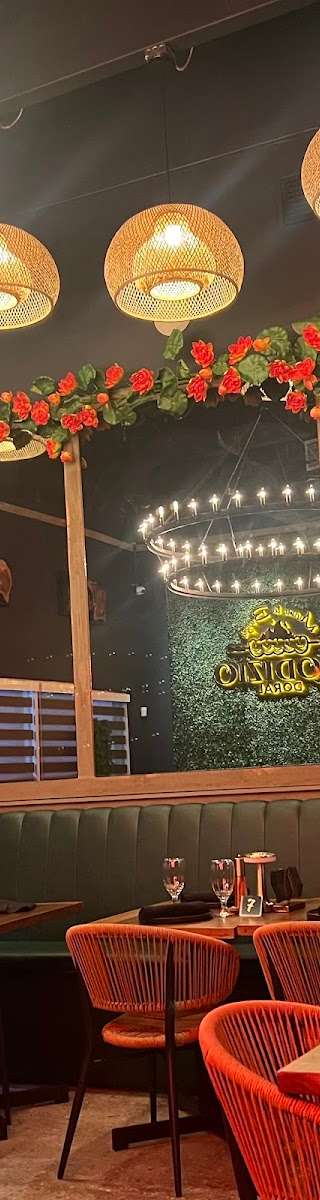 Miami To Brazil Rodizio
 Fogo de Chão – Coral Gables
 Rio Grande Churrascaria
 Bird Road Churrasqueria
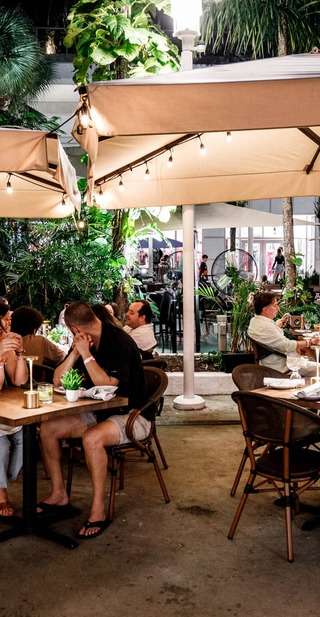 El Carnival Churrascaria
Everyday Brazilian: The Per-Kilo Buffet
This is how most of Brazil eats lunch, and it is the single most underrated dining format in Miami. You take a plate, walk a line of maybe thirty dishes — rice, black beans, farofa, collards, grilled meats, fried yuca, a dozen cold salads, sometimes a pasta or a stroganoff — build whatever combination you want, and put it on a scale. You pay by the pound. There is no ordering, no menu anxiety, and no minimum commitment beyond what you can carry.
The food is home cooking rather than restaurant cooking, which is exactly the point. A good per-kilo place has rice that has not been sitting since ten in the morning, beans with real depth, and at least one braise that changes daily. The North Miami Beach and North Beach corridors are where you will find the best of them, generally full at noon with people speaking Portuguese and back at work by one.
These places also happen to be among the better cheap lunches in the city — you can eat extremely well for twelve or fifteen dollars if you are strategic about what you pile on. If that is the kind of eating you are after, our cheap eats guide has more in the same range.
Per-kilo and everyday Brazilian spots to try in Miami:
 Samba Brazil Restaurant
 Farofa Taste of Brazil
 Little Brazil Restaurant
 Picanha 305
Feijoada and the Boteco
Feijoada is the closest thing Brazil has to a national dish: black beans stewed long and slow with several cuts of pork, served with rice, farofa, sautéed collard greens, orange slices, and a small dish of hot sauce. It is heavy, it is communal, and it is traditionally a weekend affair — most Brazilian restaurants in Miami run it on Saturdays, some on Sundays too, and a few keep it going all week. If you want it, call ahead rather than assume.
The natural home for it is the boteco — a Brazilian neighborhood bar where the beer is very cold, the caipirinhas come in passion fruit and strawberry, samba plays or gets played live, and the kitchen turns out fried snacks alongside the serious plates. Botecos are where Brazilians in Miami watch soccer, and the atmosphere on a match day is worth planning around. The orange slices with feijoada are not a garnish, incidentally — the acidity cuts through the pork fat, and skipping them is a mistake.
Feijoada and botecos to try in Miami:
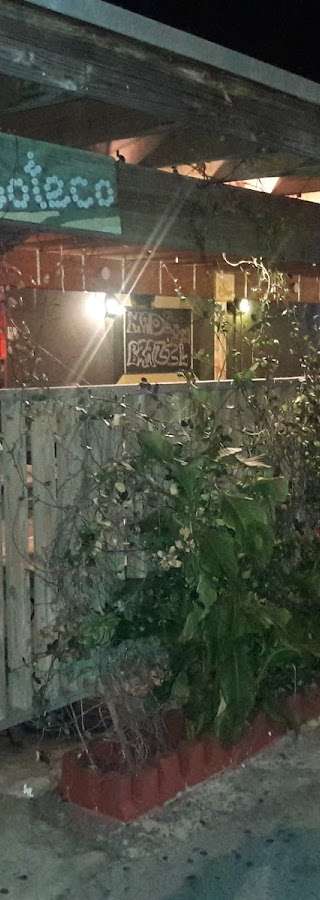 Boteco
 Boteco do Manolo
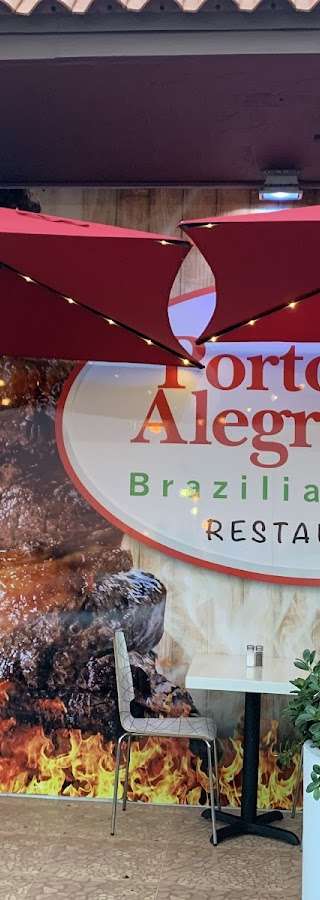 Porto Alegre Brazilian Grill
Salgados, Pão de Queijo, and Brazilian Bakeries
Salgados are the savory snacks that fill every Brazilian bakery case, and they are the easiest entry point into the cuisine. Coxinha is shredded chicken packed into a teardrop of dough, breaded and fried — the undisputed champion. Pastel is a thin, crisp fried pastry, usually filled with cheese or ground beef. Kibe arrived with Lebanese immigration and stayed. Empada is a small savory pie, distinct from the Argentinian and Colombian empanadas covered in our empanada guide.
Then there is pão de queijo — small, chewy, hollow-centered cheese rolls made from tapioca starch, naturally gluten-free, and best within about four minutes of leaving the oven. Any Brazilian bakery in Miami will sell them warm; the trick is finding one that bakes in small batches through the day rather than at seven in the morning. Tapioca deserves a mention too: not the pudding, but a soft crepe made from hydrated tapioca starch cooked on a griddle and folded around cheese, ham, coconut, or condensed milk. It is a breakfast staple in the northeast of Brazil and increasingly a Miami one.
Miami's Brazilian markets sit in the same category — part grocery, part hot counter, stocked with guaraná soda, farofa, doce de leite and frozen pão de queijo for the freezer at home. For the wider pastry picture across the city, our bakery guide covers the rest of the field.
Save room for brigadeiro, the fudge-like chocolate truffle rolled in sprinkles that appears at every Brazilian birthday party. The good versions are made with real chocolate rather than only condensed milk, and they are dense enough that one is genuinely a serving.
Brazilian bakeries, markets, and sweets to try in Miami:
 RememBR Miami
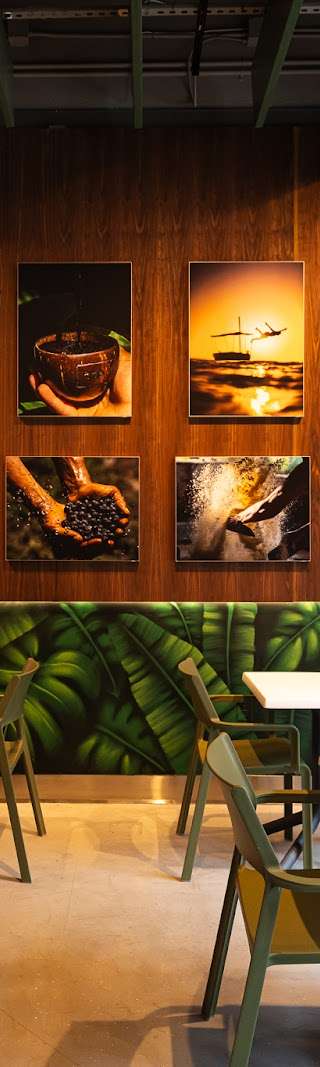 TAP Brazilian Café – Brickell
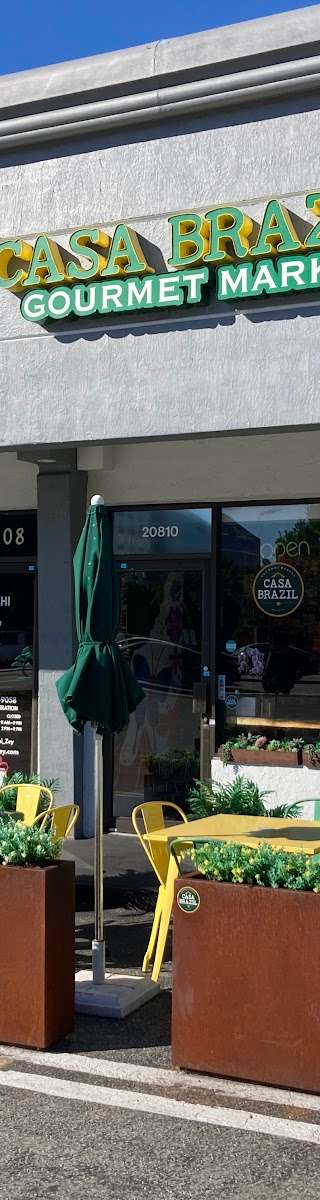 Casa Brazil Gourmet Market
 Oh My Gosh Brigadeiros – Coral Way
Açaí: The Brazilian Import Miami Made Its Own
Açaí is a palm berry from the Amazon, and in Brazil it is eaten as a frozen pulp — dark purple, thick enough to hold a spoon upright, only faintly sweet, usually topped with granola and banana. Somewhere between Rio and Miami it got turned into a smoothie-bowl product loaded with honey, peanut butter, four fruits and a drizzle of something, which is a fine snack but is not really açaí.
The Brazilian-run counters in Miami serve the original: cold, thick, minimally sweetened, sometimes blended with cupuaçu or other Amazonian fruit you will not find elsewhere in the city. It is a post-beach food in Brazil and functions the same way here — the Miami Beach and Lincoln Road spots stay busy from late morning through the afternoon. Most of these counters are plant-based almost by accident, which puts them in useful company with the places in our vegan guide.
Açaí spots to try in Miami:
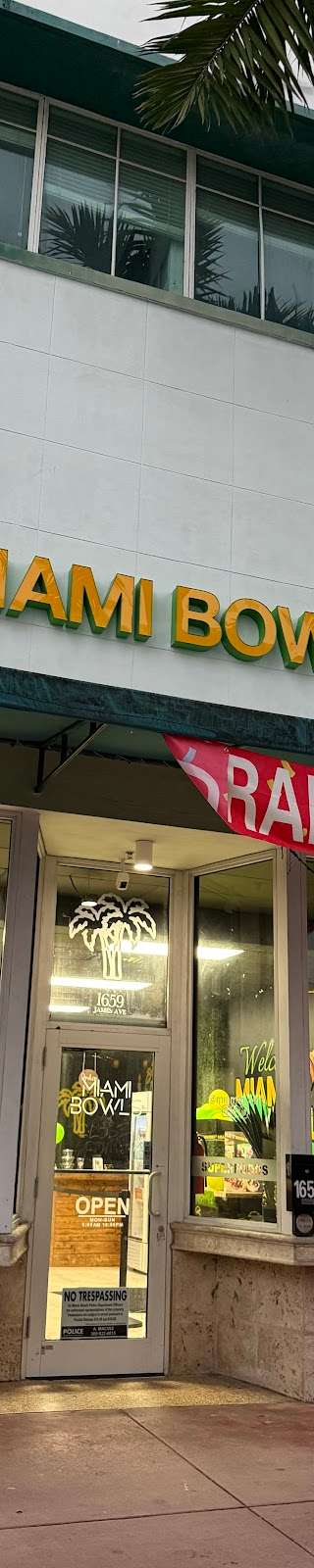 Miami Bowls
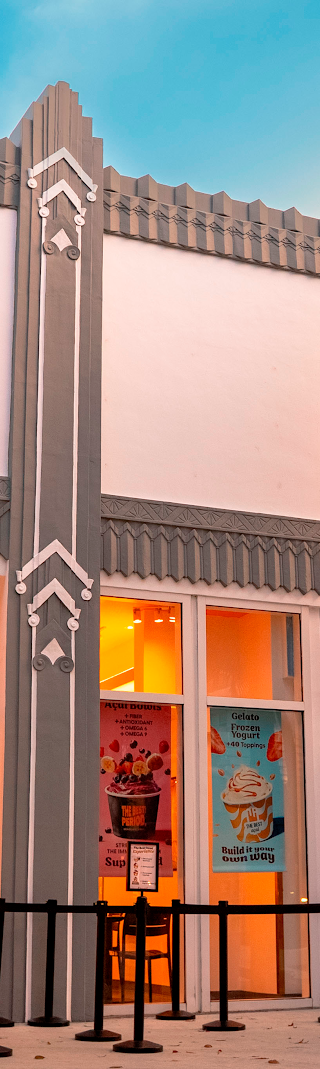 The Best Açaí – Lincoln Road
 Ernie's Acai
How to Eat Brazilian in Miami
If you are new to the cuisine, the sensible order is backwards from what most people do. Start at a bakery counter with a coxinha and a warm pão de queijo for under ten dollars. Have lunch at a per-kilo buffet and learn what Brazilian home cooking actually tastes like. Get feijoada on a Saturday, with the orange slices. Then, when you want an occasion, book the rodízio — you will appreciate the picanha more once you know what surrounds it.
The geography is straightforward too: the beach corridor from North Beach up through Sunny Isles and Aventura is the densest concentration of Brazilian restaurants, markets and bakeries in South Florida, and you can eat your way through most of this guide within a few miles of Collins Avenue. Doral and Kendall carry the western half, mostly churrascarias and a couple of markets. Wherever you start, order the farofa. It looks like sand and it makes everything on the plate better.