October 3, 2026
The Best Seafood in Miami: Raw Bars, Stone Crab, Ceviche, and Fish Shacks
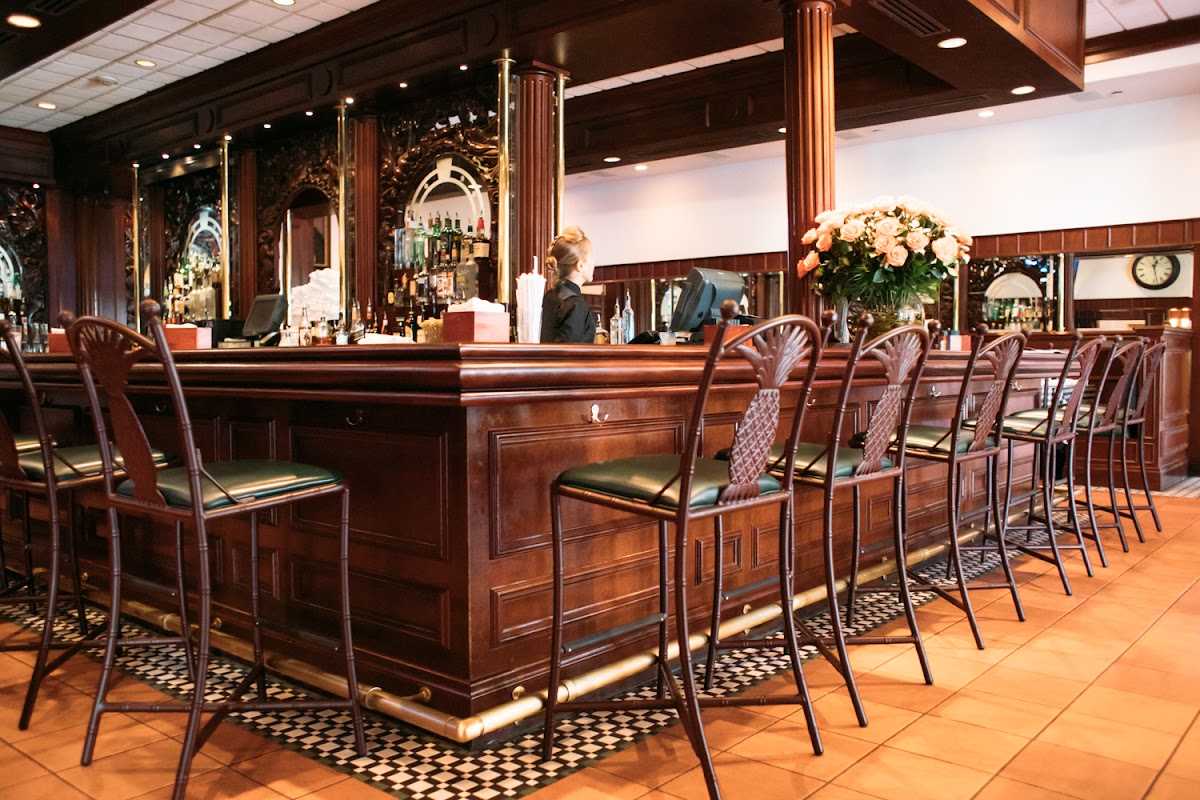
Miami is surrounded by water on three sides and has been eating out of it for as long as anyone has lived here. That should make it an obvious seafood town, and in some ways it is — stone crab season is a civic event, whole fried snapper is a Tuesday dinner, and there is a fish market in nearly every commercial strip west of the airport. But Miami's seafood scene is not one thing. It's at least five things stacked on top of each other, and most people only ever eat their way through one or two of them.
The reason is that seafood here arrived through several different doors. There's the Old Florida tradition — the stone crab claws, the grouper sandwiches, the family fish houses that opened when Biscayne Boulevard was still mostly motels. There's the Caribbean and Bahamian influence, which gave the city conch and whole fried fish. There's the enormous Peruvian population, which turned ceviche from a novelty into a weekday lunch in Doral, Kendall, and the Gables. There's the Cuban fish market tradition, where a takeout window in Little Havana has been frying pargo since the seventies. And, layered on top of all of it, there's the money — the Greek and Japanese and British import restaurants that fly fish in daily and charge accordingly.
This guide covers the whole spread, organized by the kind of night you're having rather than by rank. Below you'll find the raw bars and crudo counters, the stone crab and Old Florida institutions, the Latin ceviche specialists, the upscale fish houses, and the casual markets and shacks where the fish is cheapest and often best. Every spot is a real Miami-Dade address.
Raw Bars and Crudo Counters
The raw bar is the purest test of a seafood restaurant, because there is nowhere to hide. No sauce, no sear, no seasoning to cover a mediocre oyster — just ice, lemon, mignonette, and whatever came off the truck that morning. Miami's raw bars have gotten dramatically better over the last decade, in part because a handful of operators decided to source East Coast and Pacific Northwest oysters properly rather than treating them as a garnish on a seafood tower.
Crudo is the newer cousin, and it's where the city's Latin and Japanese influences meet. A Miami crudo counter will serve you salmon belly with citrus and chile in a way that would confuse a purist in either tradition and taste completely correct here. These rooms tend to be small, loud, and best at the bar — go alone or in a pair, order more than you think you need, and drink something cold and dry.
Raw bars and crudo counters to try in Miami:
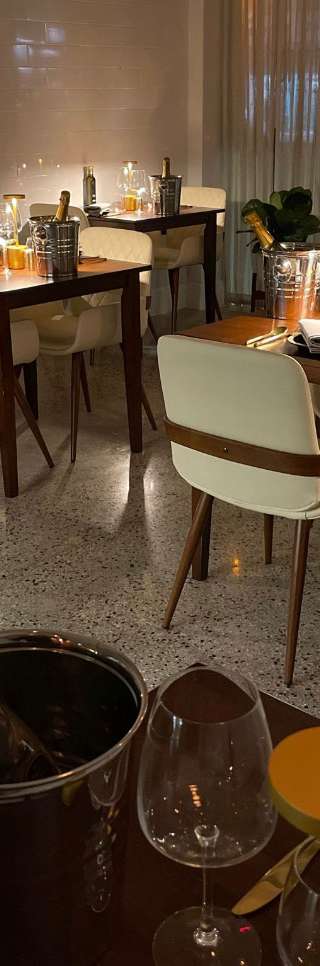 Nettuno Italian Seafood & Oysters
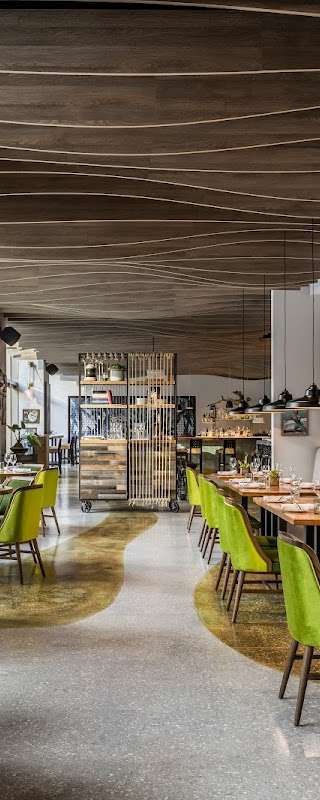 The River Oyster Bar
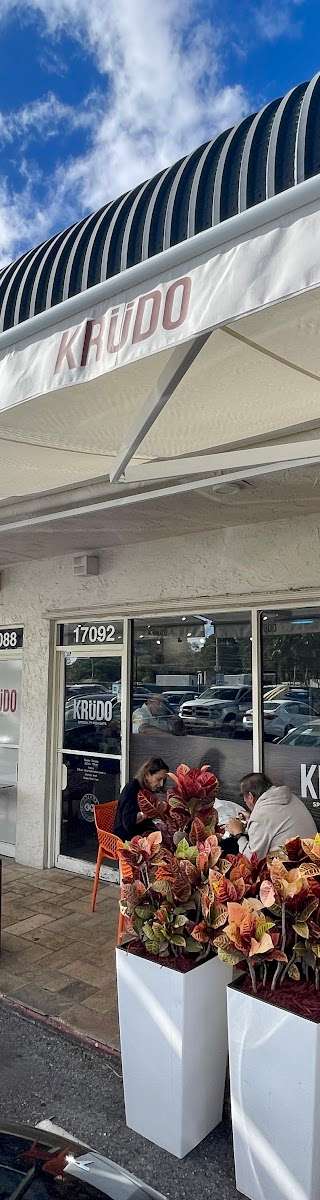 Krudo Fish Market
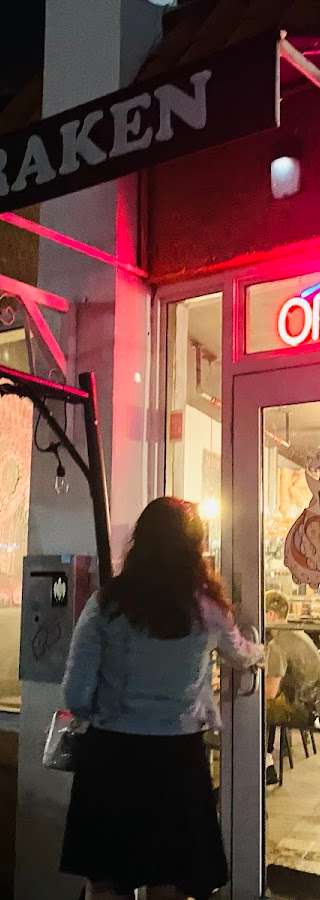 Kraken Crudo
Stone Crab and Old Florida
Stone crab is the one seafood tradition that belongs to South Florida and nowhere else. The season runs from mid-October to early May, the claws are harvested and the crab returned to the water to regrow them, and the whole ritual — chilled claws, cracked tableside, a ramekin of mustard sauce that is mostly mayonnaise and Coleman's — has been essentially unchanged for a century. The price moves with the catch and nobody has ever been happy about it, and everybody orders them anyway.
Around stone crab sits a broader Old Florida category: the grouper and snapper houses, the family restaurants with wood paneling and a chalkboard of what came in that day, the places where the fish is grilled or blackened or fried and the sides are hush puppies and coleslaw. These are the restaurants that survived every boom Miami has had by simply refusing to change. Several of them predate air conditioning as a standard amenity, and one of them — Joe's — has been on the same block since 1913. If you're bringing visitors somewhere that feels like Florida rather than like a nightclub with entrées, this is the section.
Stone crab and Old Florida seafood to try in Miami:
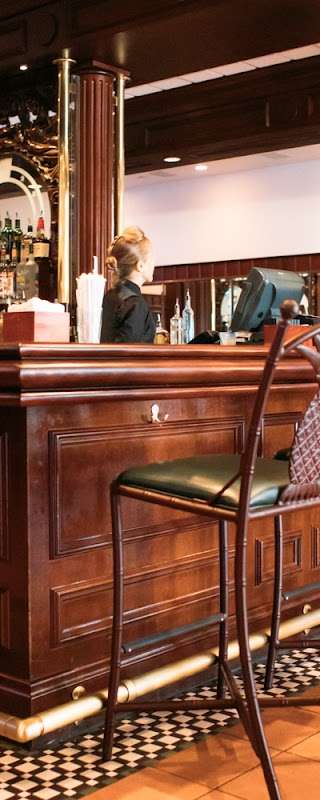 Joe’s Stone Crab
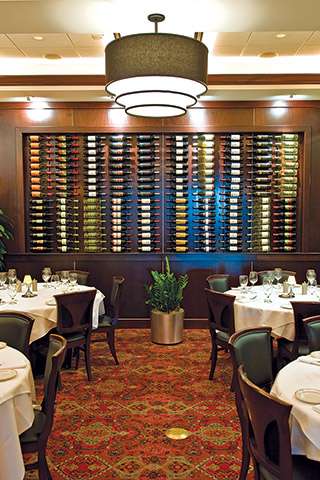 Truluck's Ocean's Finest Seafood and Crab
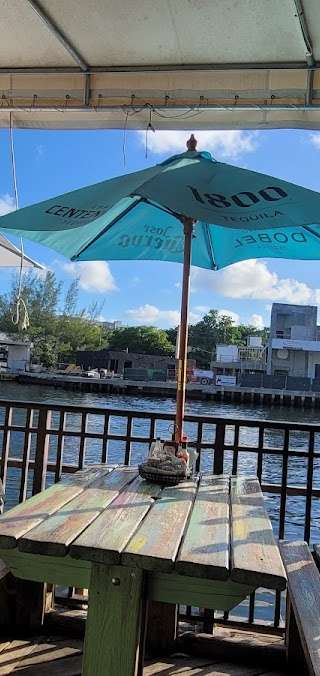 Garcia’s Seafood Grille & Fish Market
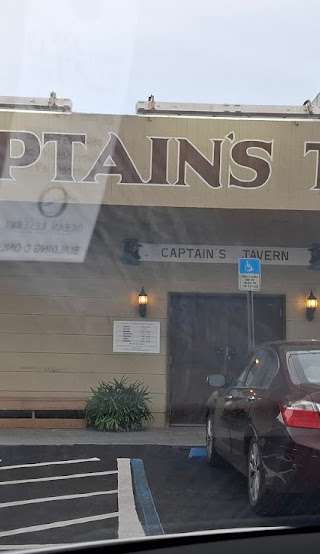 Captain's Tavern
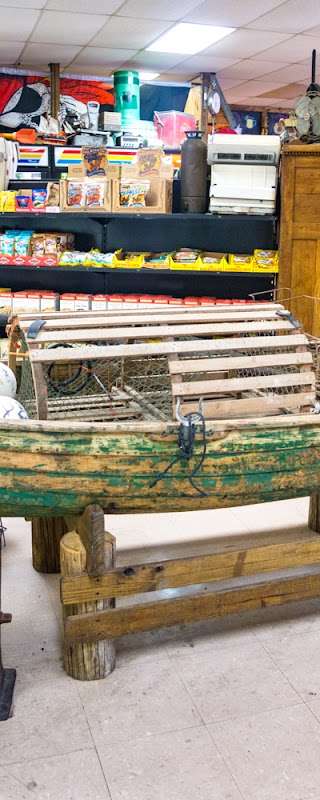 Golden Rule Seafood
Ceviche and Latin Seafood
No single thing has changed how Miami eats seafood more than Peruvian ceviche. Twenty years ago it was a specialty item; today there are ceviche bars in Doral, Kendall, Hialeah, Coral Gables, and Sunny Isles, and some of them do numbers that would embarrass a steakhouse. The format is deceptively simple — raw fish cured in lime with aji, red onion, cancha corn, and sweet potato — and the difference between a good version and a great one comes down to freshness and the leche de tigre, the citrus-chile marinade that gets drunk from the bowl at the end.
Peru is the anchor, but the category is wider than that. Nikkei rooms fold Japanese technique into Peruvian ingredients. Ecuadorian and Colombian kitchens serve their own tomato-forward ceviches and shrimp cocktails. Cuban seafood restaurants build around enchilado, a garlicky tomato stew that turns shrimp or lobster into something closer to comfort food. And the big Latin seafood grills out west — the ones with a fish market attached and a two-hour wait on Sunday — cover all of it at once. If this is your entry point into Miami's Latin food more broadly, the Cuban classics guide is the natural next stop.
Ceviche and Latin seafood to try in Miami:
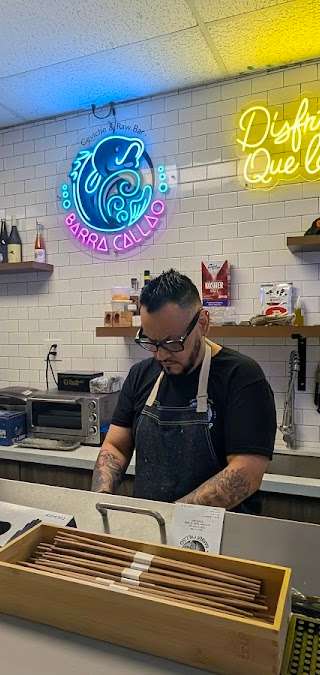 Barra Callao ♥ Editor's Pick
 CVI.CHE 105
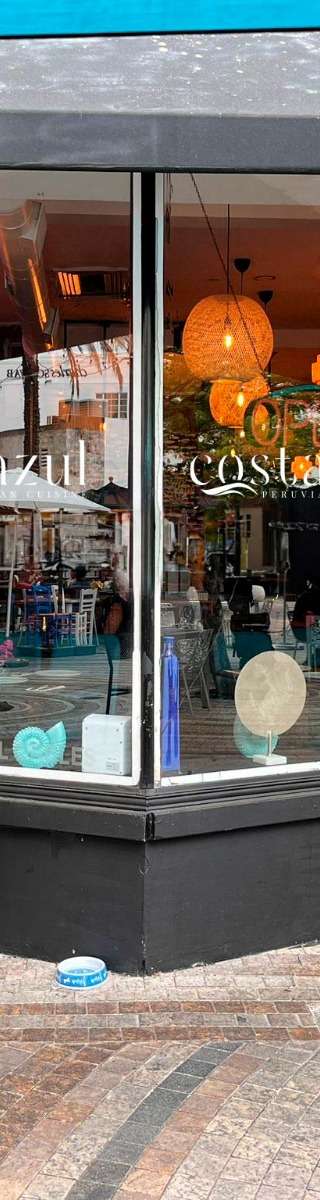 Costazul Peruvian Cuisine
 Divino Ceviche – Doral
 Don Camaron Seafood Grill & Market – Hialeah
Upscale Fish Houses
At the top of the market, Miami seafood becomes an import business. The Greek fish houses fly in whole branzino, lavraki, and fagri, display them on ice, and let you pick your dinner by weight — a format that is both theatrical and, if you know what you're looking at, the most honest way to buy fish in a restaurant. The Japanese-influenced rooms lean on precision, king crab, and caviar. The British and international imports lean on design budgets, and to their credit the food usually keeps up.
These are the rooms for anniversaries, closings, and out-of-town guests you're trying to impress. Expect market pricing on the whole fish, expect the sides to be ordered separately, and expect the check to arrive with a small flourish. A few of them sit directly on the water, which is a category worth exploring on its own — see the waterfront dining guide for the full list. And if what you actually want is the fish itself, unadorned and served one piece at a time, Miami's omakase counters are the better version of this night.
Upscale fish houses to try in Miami:
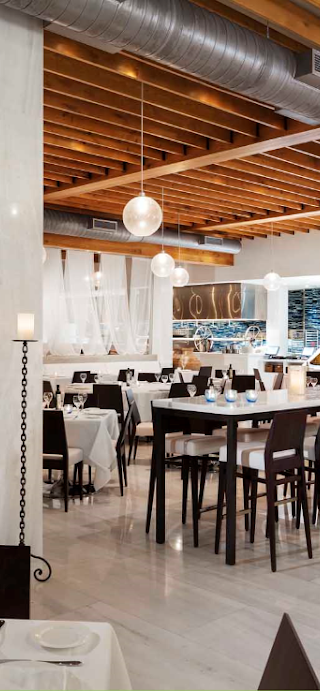 Estiatorio Milos
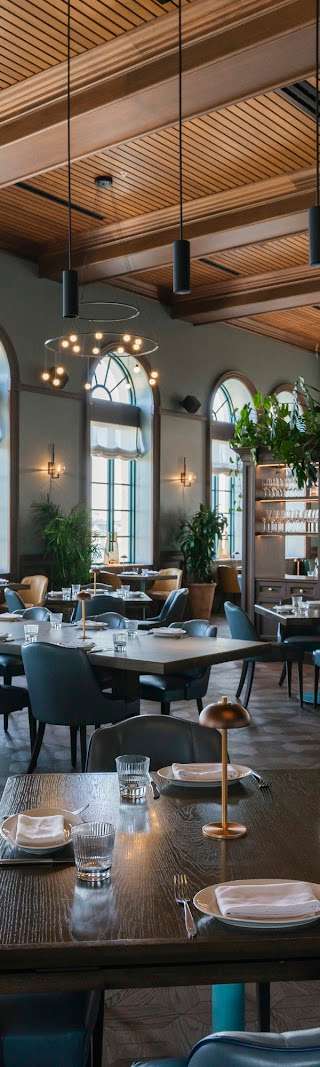 Klaw Miami
 MesaMar Seafood Table
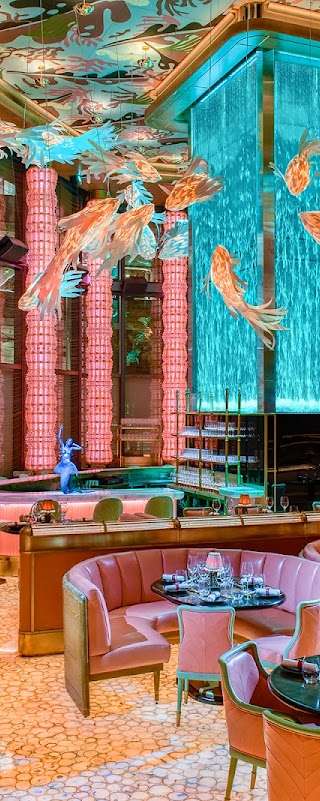 Sexy Fish Miami
 Seaspice Brasserie & Lounge
Fish Markets and Casual Shacks
This is the section locals argue about, and it's where the best value in Miami seafood lives. The model is consistent across cultures: a market case up front with whatever came in that morning, a fryer and a griddle in the back, a handful of tables or none at all, and prices that look like a typo compared to the Beach. Little Havana's takeout windows have been frying pargo and serving it on Cuban bread since the seventies. Flagami and Westchester are dense with Cuban and Bahamian fish houses where a whole fried snapper feeds two people for the price of one entrée in Brickell. Little Haiti contributes conch and griot-adjacent sides. West Miami and Coral Way have the markets where restaurant cooks actually shop.
The rules for eating well here are simple. Order whatever is written on the board rather than printed on the menu. Whole fish beats fillets, and fried beats grilled if you're only doing it once. Bring cash. Don't expect a wine list — expect a cooler. And accept that the room will be bright, loud, and completely indifferent to your dining experience, because the fish is the point. For more meals in this price range across other cuisines, the cheap eats guide covers the rest of the map.
Fish markets and casual seafood to try in Miami:
♥ Editor's Pick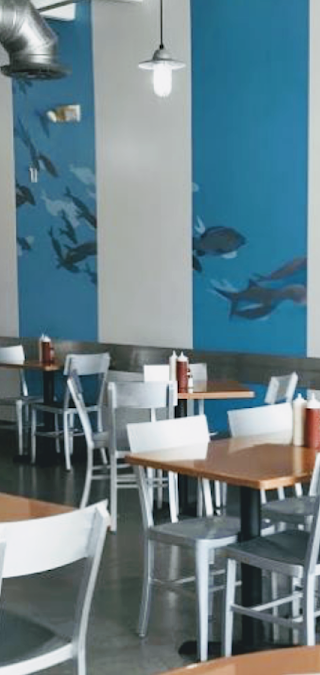 La Camaronera Fish Market
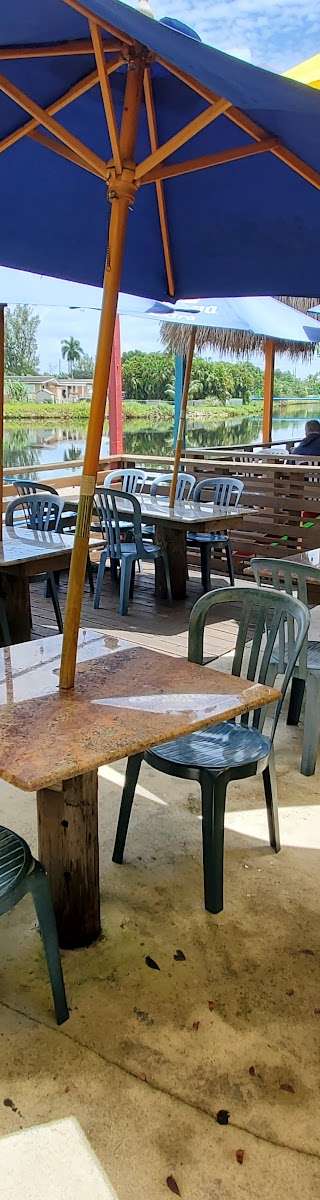 Sonia's Seafood Market & Restaurant
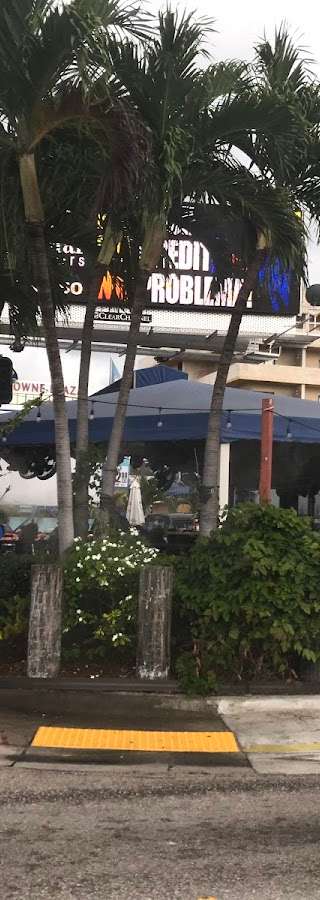 Catch of the Day
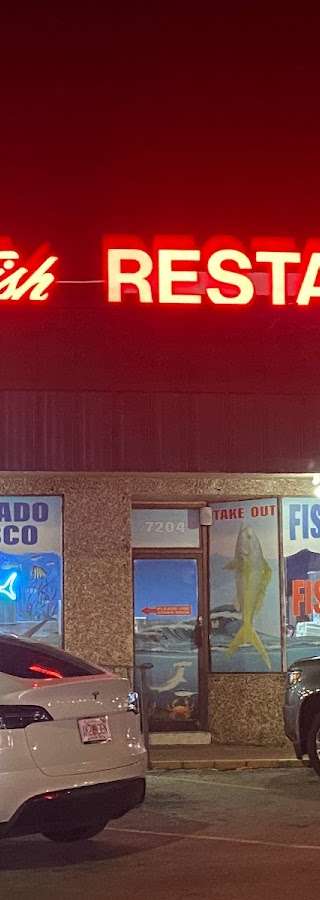 Bahamas Fish Market & Restaurant
 Fresh Florida Fisheries
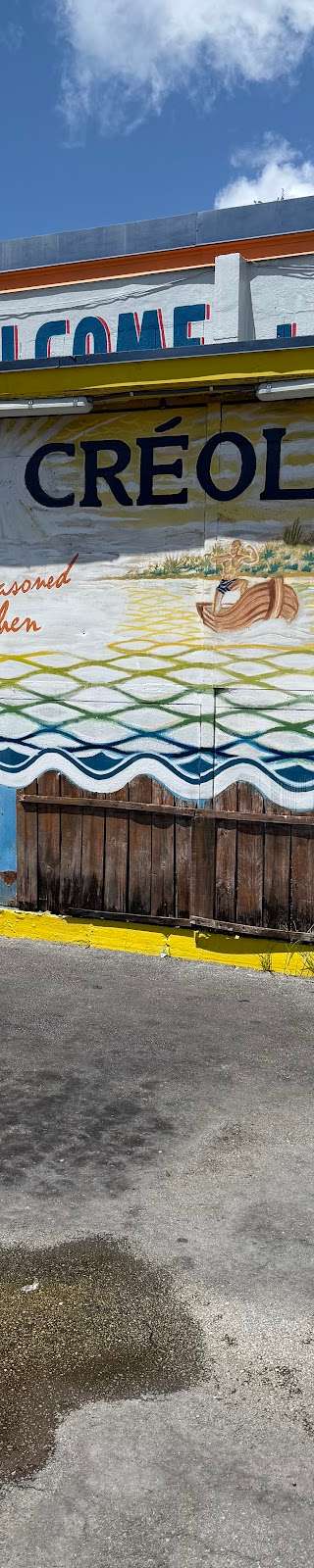 Chef Creole Seafood & Catering
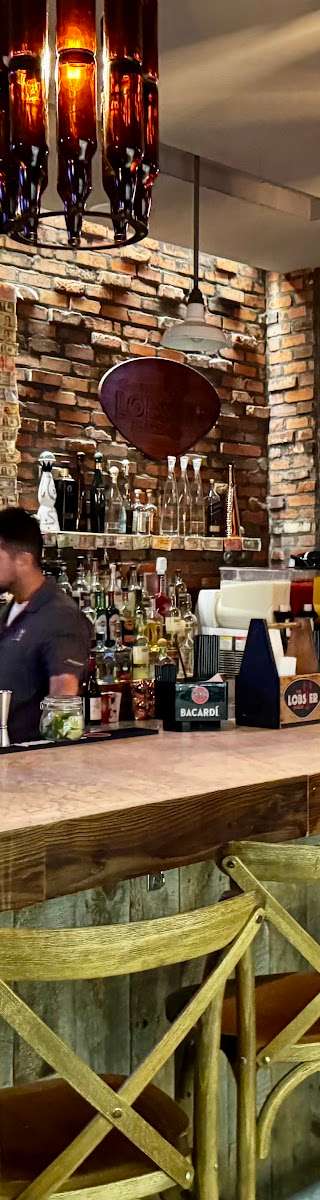 The Lobster Shack
How to Eat Seafood Well in Miami
A few things worth knowing before you go. Stone crab is seasonal — roughly mid-October through early May — and anything advertised outside that window is frozen from the last one, which is fine but should not cost peak-season money. Whole fish is almost always the better order at a Greek or Latin restaurant, both because it's fresher and because the kitchen is proud of it. "Market price" means ask; nobody will think less of you.
Also worth remembering: Miami's best seafood is not evenly distributed by price. The single most impressive fish you eat here might come off a flat-top in a strip mall on Eighth Street, and the most disappointing might arrive on a plate with a foam. Judge by the case, not the room. And if you want a night out that isn't about fish at all, the steakhouse guide covers the other end of the spectrum.
Miami will never be a seafood city in the way New England is a seafood city, with one dominant tradition everyone agrees on. It's messier and more interesting than that — five or six food cultures all working the same water, mostly ignoring each other, all doing it well. Work through the list above and you'll have eaten your way through most of them.