July 3, 2026
The Miami Omakase Guide: Where to Sit at the Counter
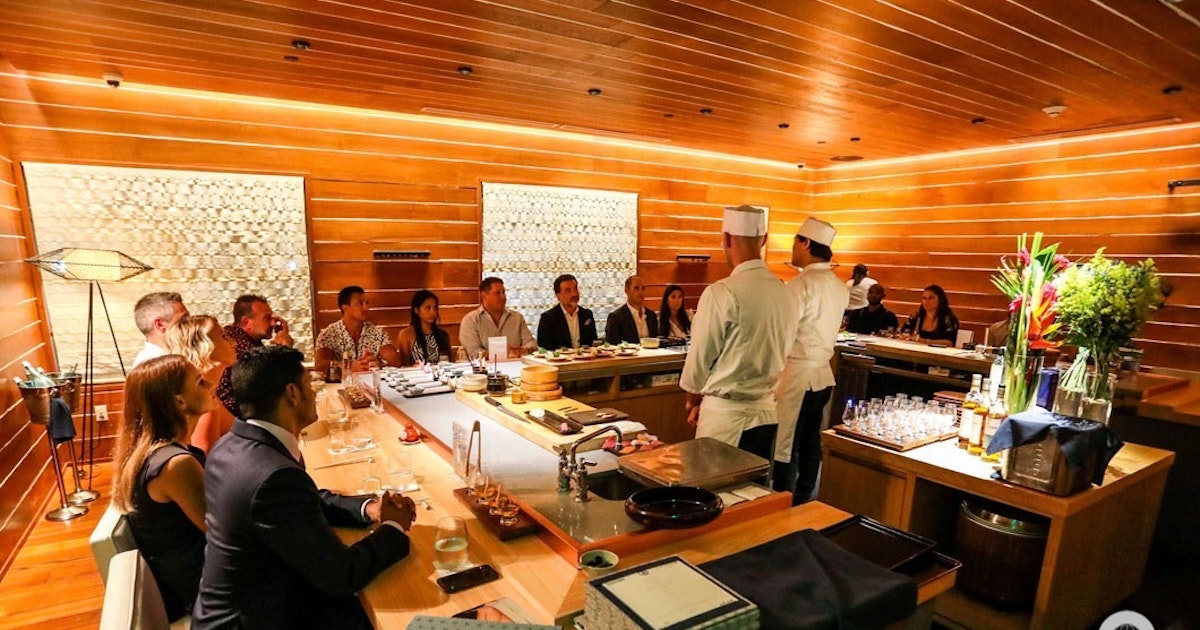
Omakase used to be a New York and Los Angeles word. Not anymore. Over the last few years Miami has quietly built one of the deepest sushi-counter scenes in the country — two Michelin-starred rooms, a wave of intimate hinoki-wood counters, and a handful of walk-in-friendly spots that let you try the format without a special-occasion budget.
This is our guide to the best of it: what omakase actually means, the different kinds of counter you'll find around Miami-Dade, and the specific spots worth booking — grouped by the experience you're after. Every restaurant below is a real, currently operating Miami-Dade spot, picked for the quality of its sushi and the strength of its reputation.
Omakase translates loosely to "I'll leave it to you." You sit at the counter, you don't order, and the chef sends out a sequence of courses — usually a progression of nigiri (fish over hand-pressed, vinegared rice) built around whatever is best that day, much of it flown in from Japan's Toyosu market. The style most Miami counters follow is Edomae: a Tokyo tradition of aging, curing, and lightly seasoning each piece so it needs no soy sauce.
A few things worth knowing before you go:
- It's a set experience — most counters run a fixed number of courses (12 to 18) at a fixed price. You're paying for the chef's selection, not a menu.
- Price spans widely — Miami omakase runs from around $60 at the accessible end to $300+ at the top counters.
- Reservations matter — the best rooms seat 8 to 12 people a night and book out weeks ahead. Many are counter-only, and several are effectively hidden.
- Etiquette is simple — eat each piece promptly, skip heavy perfume, and let the chef guide the pace.
Not every counter is chasing the same thing. Miami's spread breaks into five distinct experiences, from formal Edomae temples to cocktail-driven fusion dens. Here's how we'd group them.
The Michelin-Starred Destinations
The top of the mountain. These are the two Miami counters recognized with Michelin stars — bucket-list bookings where sourcing, technique, and pacing are all dialed to the highest level. Naoe, tucked into Brickell Key, holds two stars and seats just a handful of guests for a nightly bento-and-nigiri progression. The Den at Azabu on Miami Beach hides behind the main dining room, a one-star counter for those in the know.
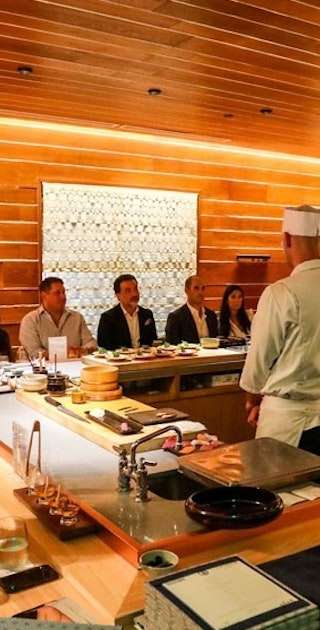 Azabu Miami Beach / The Den
 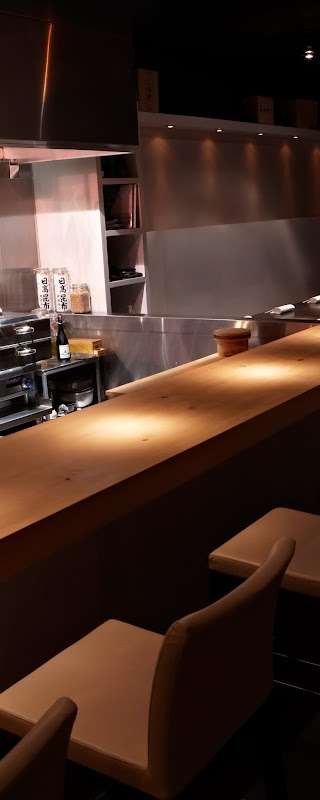 Naoe
Naoe
Traditional Edomae Counters
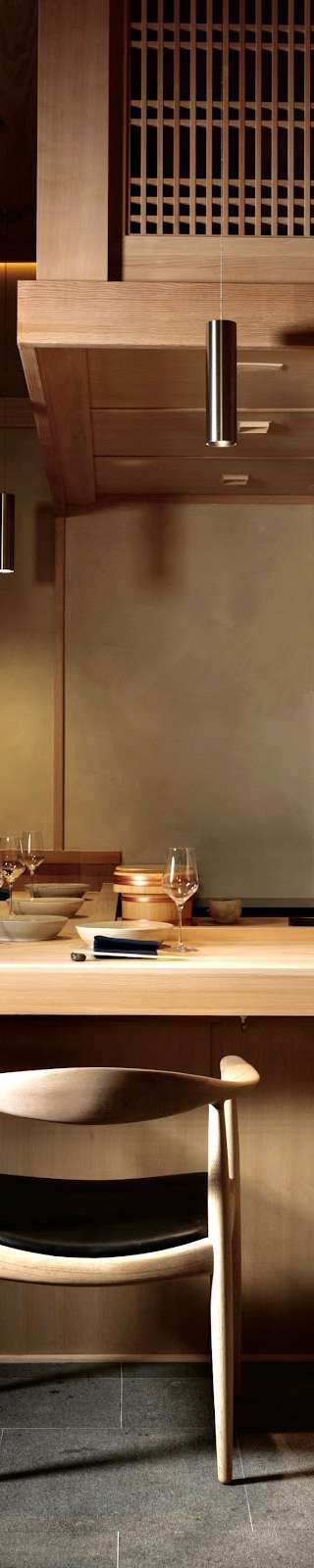
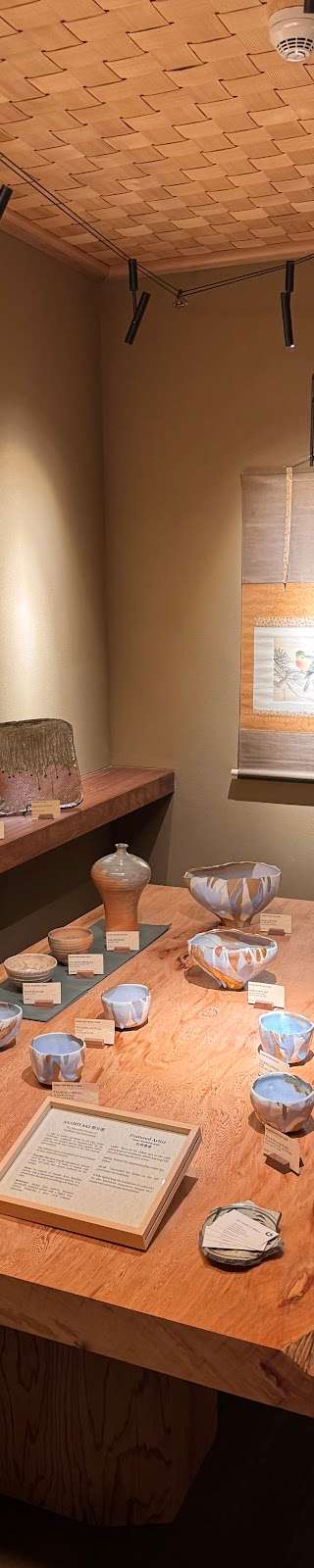
Purist rooms built around nigiri, quiet craft, and fish from Japan. Expect blond-wood counters, a small number of seats, and a chef working inches from your plate. If you want the classic, unadulterated version of omakase, start here. Ogawa's Little River garden and 18-course meal is a devotee favorite; YASU Omakase, new to the Design District in 2026, seats just eight around a 600-year-old hinoki counter.
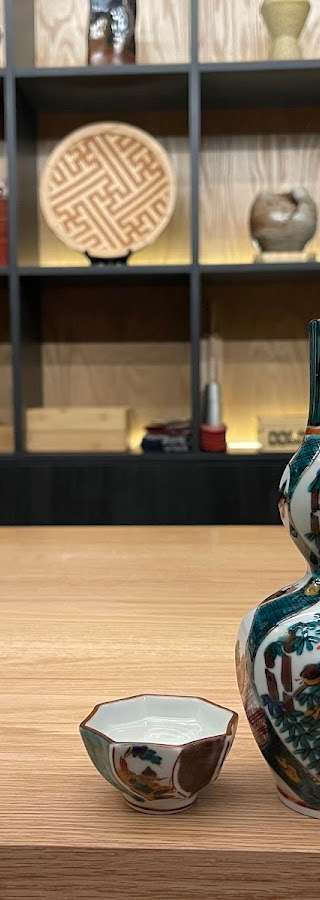
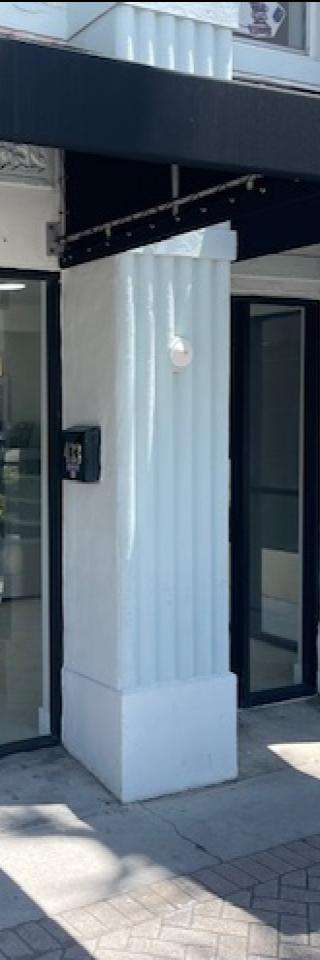
Worth calling out here: Otoro is Miami's only fully kosher omakase — a high-end counter on 41st Street from the team behind the well-known Queens kosher sushi spot. Premium fish sourced from Japan, glatt-kosher, and no compromise on the Edomae experience. Kosher omakase barely exists anywhere in the country, which makes it a genuine rarity.
 Sushi Yasu Tanaka
  Shingo
 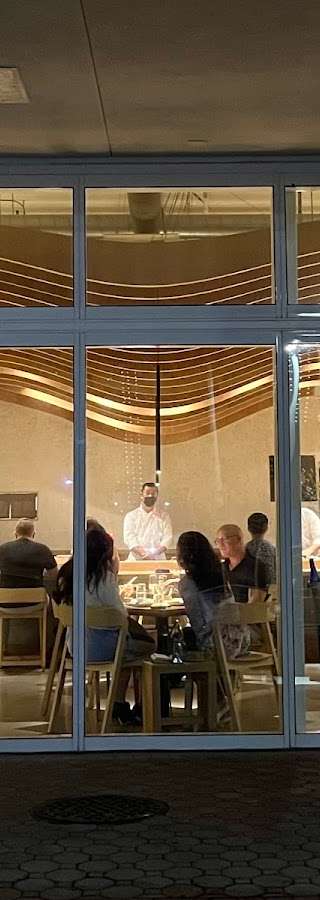 Hiyakawa
 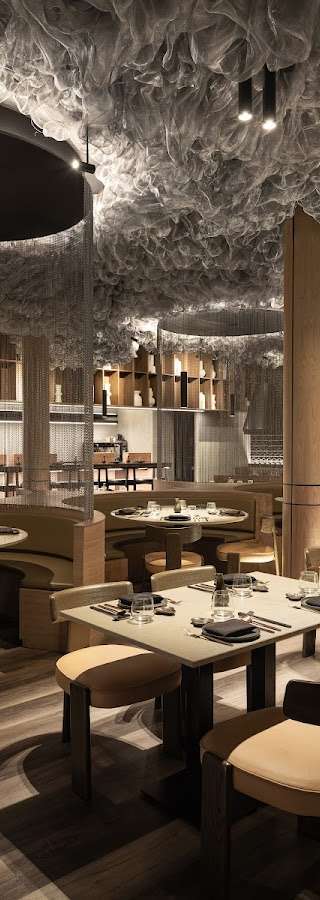 Hikari
Modern & Fusion Omakase
Counters that treat the format as a starting point rather than a rulebook — Mediterranean crossovers, cocktail pairings, and playful flavor combinations layered onto serious technique. MILA's rooftop "Mediterrasian" counter and Sushi by Scratch's cocktail-driven, all-nigiri run are the clearest examples of Miami bending the tradition.
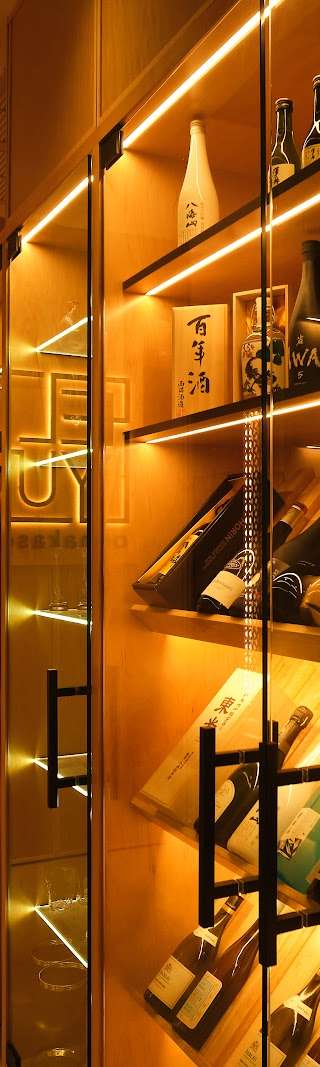 ELYU Omakase
 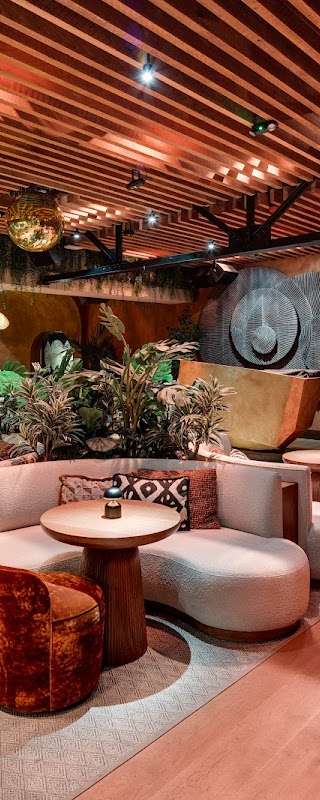 MILA
MILA  Nossa Omakase
 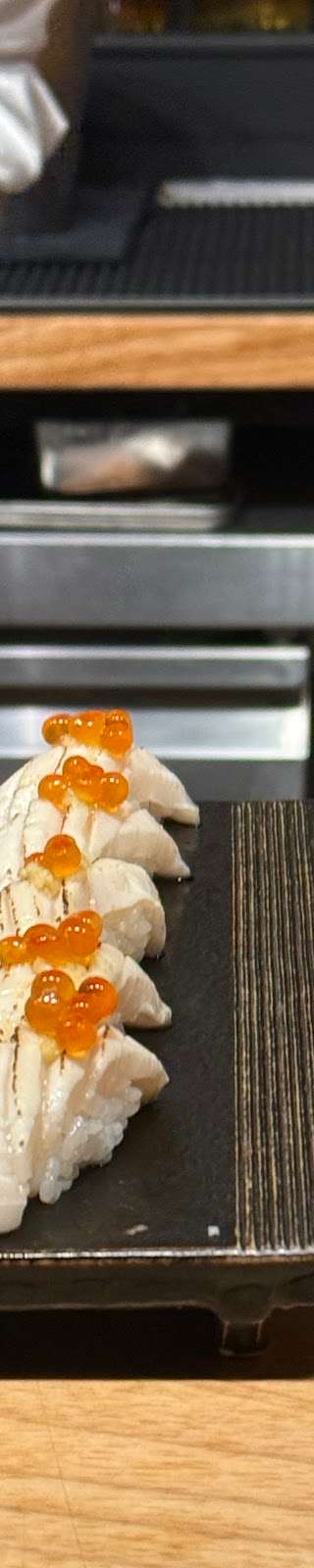 Sushi by Scratch
Hidden & Exclusive Counters
The reservations you have to work for. Unmarked doors, hotel-hidden rooms, and a members' club — small, secretive, and built for people who want the counter to feel like a secret. Sushi | Bar hides twelve seats inside the Esme Hotel; Hiden sits behind an unmarked door past The Taco Stand in Wynwood.
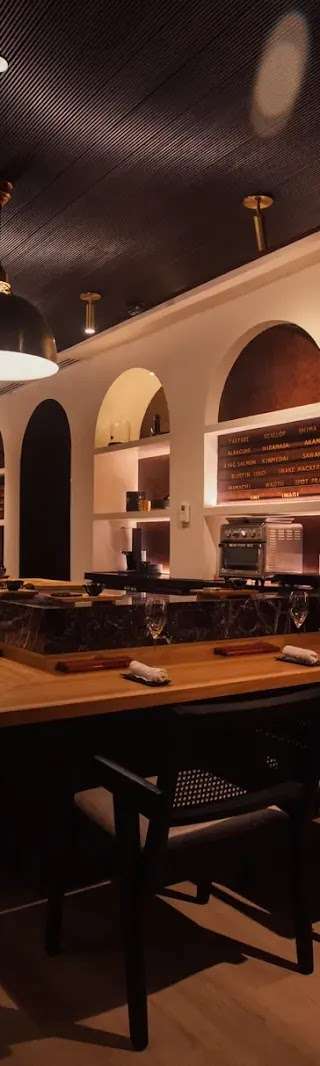 Sushi | Bar Miami Beach
 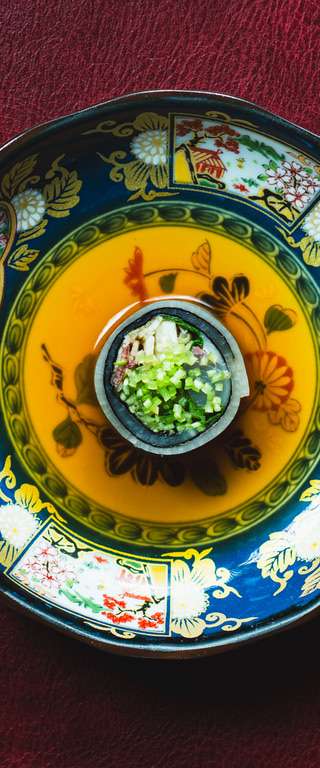 Omawei
 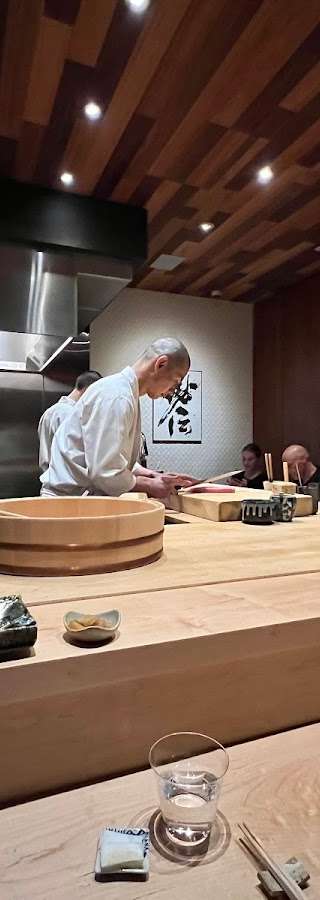 Hiden
Hiden 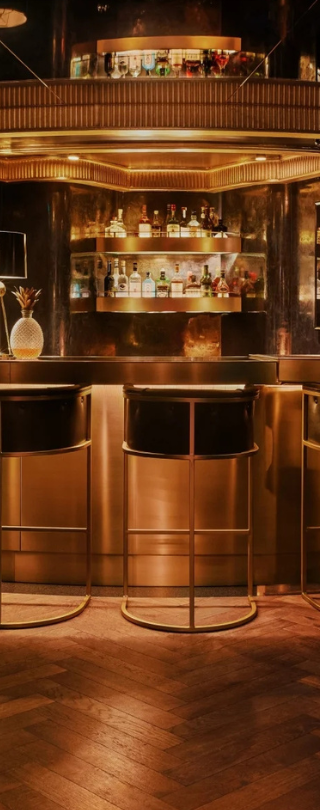 El Secreto Omakase
Accessible & Walk-In-Friendly
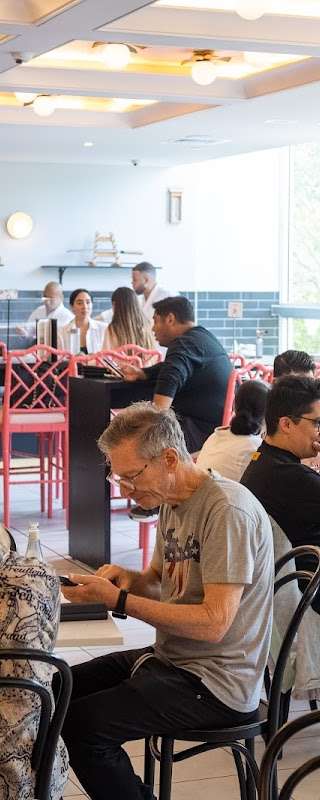
Proof you don't need to spend $300 to sit at a counter. These lean casual and value-forward — great for a first omakase, a weeknight, or when you just want excellent sushi without the ceremony. Sushi KONG and OMAKAI have built big followings on quality-per-dollar, and most of these welcome a walk-in in a way the top counters never will.
 Sushi KONG
 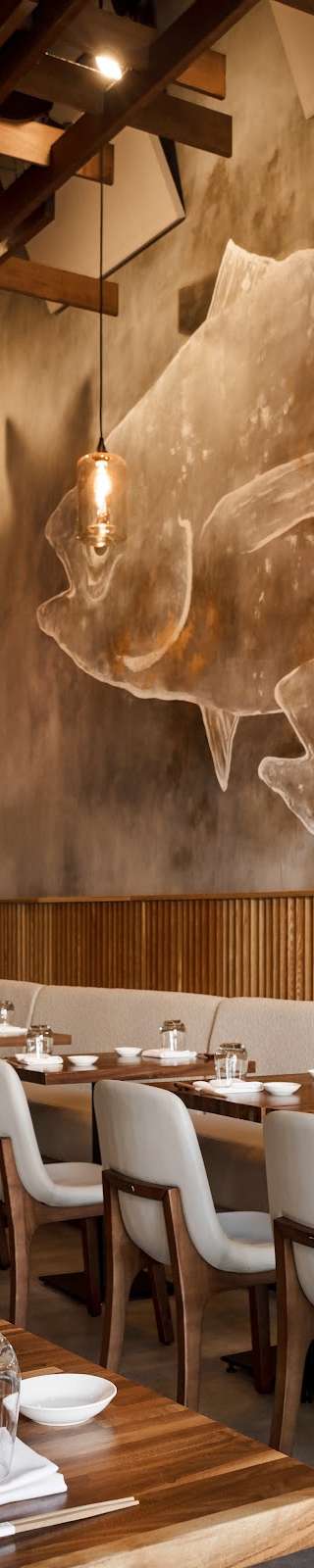 OMAKAI Sushi
 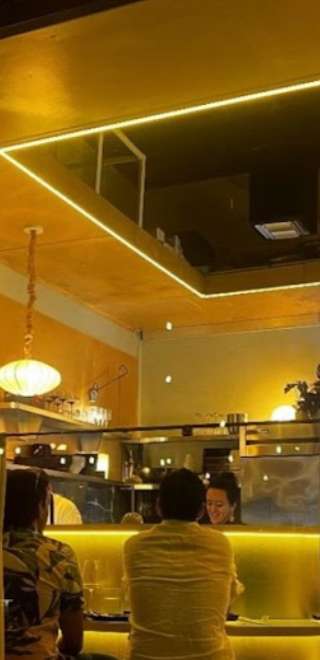 Yoso Sushi
 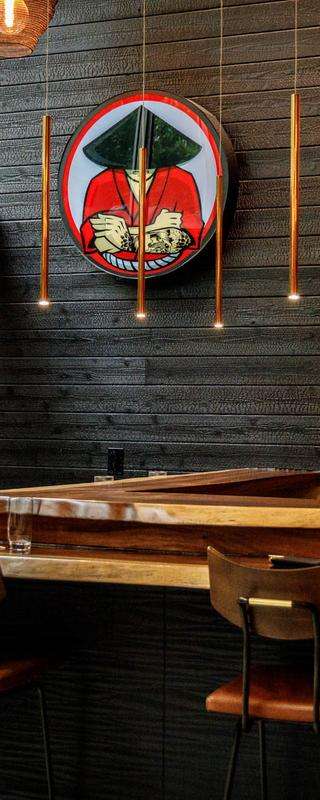 Mr. Omakase
 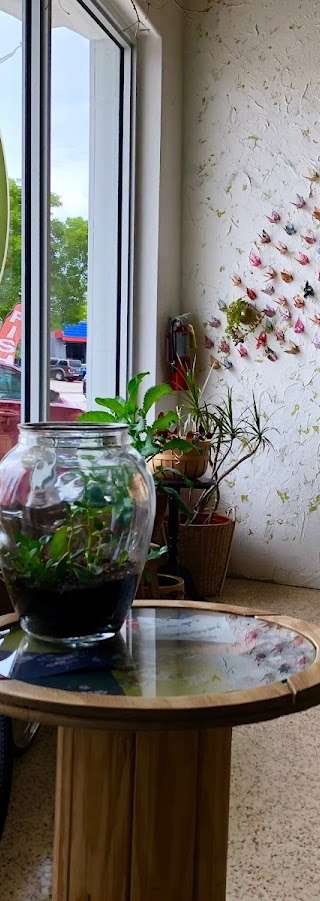 Wabi Sabi
 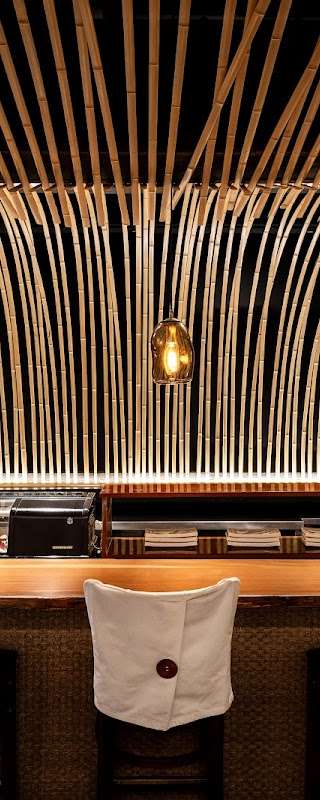 Toni's Sushi Bar
 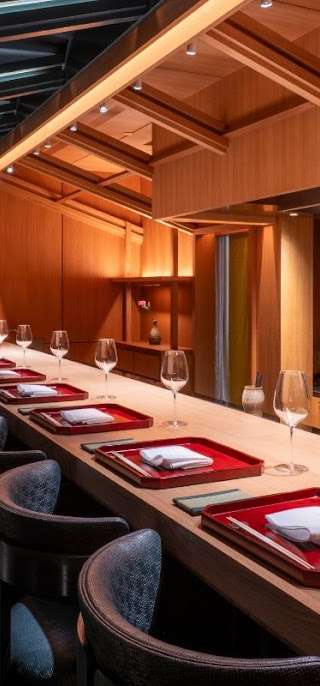 Karyu
Karyu
If it's your first time, start in the accessible tier or a traditional counter mid-week — you'll get the full ritual without the top-end commitment. Booking a splurge? Reserve two to three weeks out, arrive on time (courses are timed to the second), and go in hungry and open — the whole point is to let the chef decide. And a heads-up on Omawei: it's newly opened to the public inside the members-only Bath Club and runs on a seasonal schedule, so confirm availability directly before planning around it.