October 9, 2026
The Best Colombian Restaurants in Miami: Bandeja Paisa, Arepas, and a Michelin Star

Colombian food in Miami covers more ground than almost any other Latin cuisine here, and most people only ever see one slice of it. There's the Kendall lunch counter where a bandeja paisa lands as a groaning oval platter of beans, rice, chicharrón, chorizo, avocado, sweet plantain, an arepa, and a fried egg, all for less than a movie ticket. There's the Doral panadería at 7 a.m. selling warm pandebono to a line of construction crews. There's a truck on 79th Street selling nothing but lechona. And there's Elcielo in Brickell, the only Colombian restaurant in the United States holding a Michelin star, where dinner is a twelve-course narrative about the country itself.
Colombia is a regional country — Antioquia eats differently than the Caribbean coast, which eats differently than Bogotá or the Valle del Cauca — and Miami-Dade has enough Colombians that all those regions show up on menus somewhere. Paisa cooking from Medellín dominates, which is why bandeja paisa and mondongo turn up everywhere, but you'll also find costeño seafood, Bogotá's ajiaco, Valluno chuzos, and Tolima lechona if you know where to look. The densest concentrations run through Kendall, Doral, Westchester, Hialeah, and Fontainebleau, with outposts in Miami Beach, Coral Gables, and Sunny Isles.
This guide is organized by what you'd actually order rather than by neighborhood, because Colombian menus repeat themselves and the question is usually "who does this dish well" rather than "what's near me." Every spot below is a real, currently operating Miami-Dade restaurant. Work down the list and you'll have eaten the whole ladder, from a $10 plate to a tasting menu.
Bandeja Paisa and the Big Plates
If Colombian food has a flagship, it's the bandeja paisa — a platter from the Antioquia region built to feed a farmhand through a full day of work. The canonical version carries red beans stewed with pork, white rice, ground or shredded beef, chicharrón, chorizo, a fried egg, sweet plantain, half an avocado, and a small arepa. It is not a dish you order to be delicate about. The measure of a good one is the chicharrón: it should shatter, not bend, and the fat underneath should be rendered rather than chewy.
The other pillar plates in this category are the sobrebarriga (flank steak braised until it pulls apart, usually in a criolla sauce), the churrasco with chimichurri, and the chuleta valluna — a breaded, fried pork chop that's essentially the Colombian answer to a milanesa. Most of the restaurants below run all of them.
La Ventana has become the default introduction for a lot of Miamians who don't live near Kendall or Doral — it sits on Washington Avenue in South Beach, stays open late, and turns out a genuinely serious bandeja alongside sancocho and arepas de choclo. Out west, Fonda Sabaneta in Kendall and Rinconcito Paisa in West Kendall are the neighborhood workhorses, both with enormous review counts and lines that say more than any rating. Bandeja Paisa Restaurant on West Flagler names itself after the dish and delivers on it, at prices that make it one of the better values in the county — it belongs in the same conversation as the spots in our Miami cheap eats guide.
Bandeja paisa spots to try in Miami:
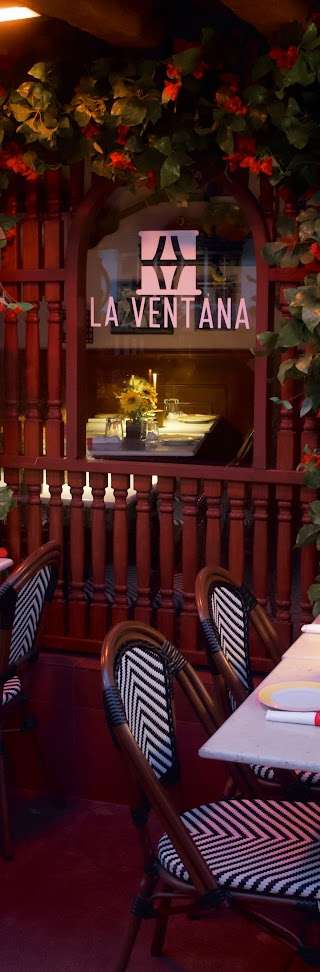 La Ventana
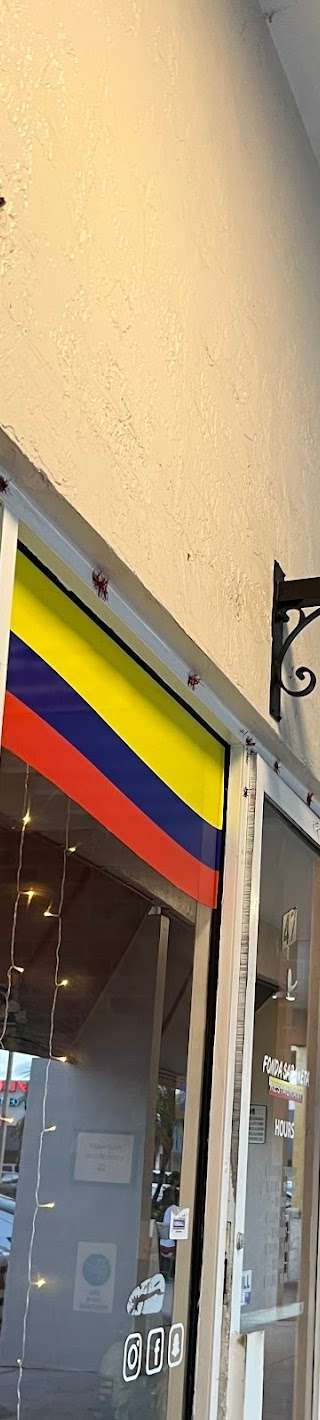 Fonda Sabaneta
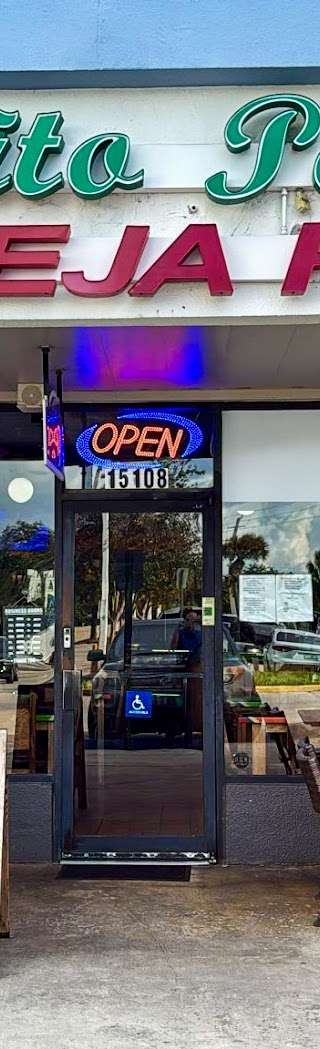 Rinconcito Paisa
 Bandeja Paisa Restaurant
Sancocho, Mondongo, and Sunday Stews
Colombian soup culture is deep, and in Miami it's most visible on weekends. Sancocho is the big one — a brothy stew of yuca, plantain, potato, corn, and a protein (chicken, beef ribs, or the coastal version with fish), served with rice on the side and a bowl of the broth alongside. Mondongo is the tripe stew: slow-cooked honeycomb tripe with potato, pork, and cilantro, an acquired-texture dish that its devotees will drive across the county for. Ajiaco, from Bogotá, is the elegant one — three varieties of potato cooked down into a thick chicken soup, finished with capers, cream, and the herb guascas.
These are Sunday dishes, and most kitchens treat them that way: sancocho and ajiaco often run as weekend specials, so it's worth calling ahead midweek. Mondongo's Restaurante in Doral built its name and its menu around the stew, and it remains the reference point in Miami. In Hialeah, Don Matias cooks the paisa canon with the kind of consistency that keeps a dining room full at 2 p.m. on a Tuesday, and Rinconcito De Alex El Paisa on SW 112th Street is the Kendall version of the same idea — unfussy, generous, and busy.
Colombian soups and stews to try in Miami:
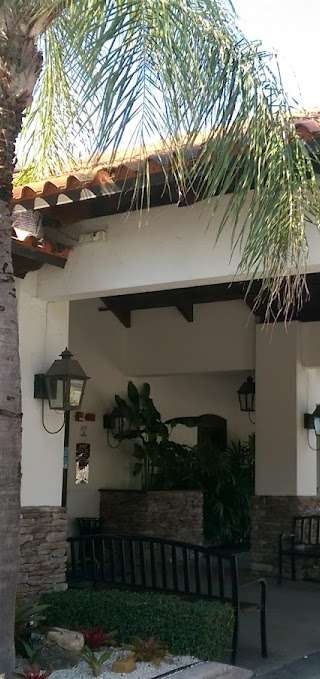 Mondongo’s Restaurante
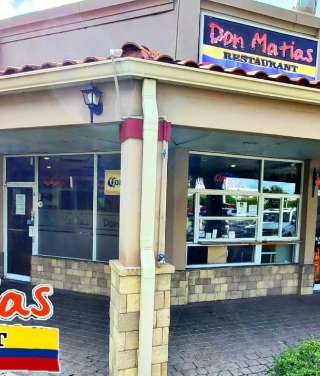 Don Matias Restaurant
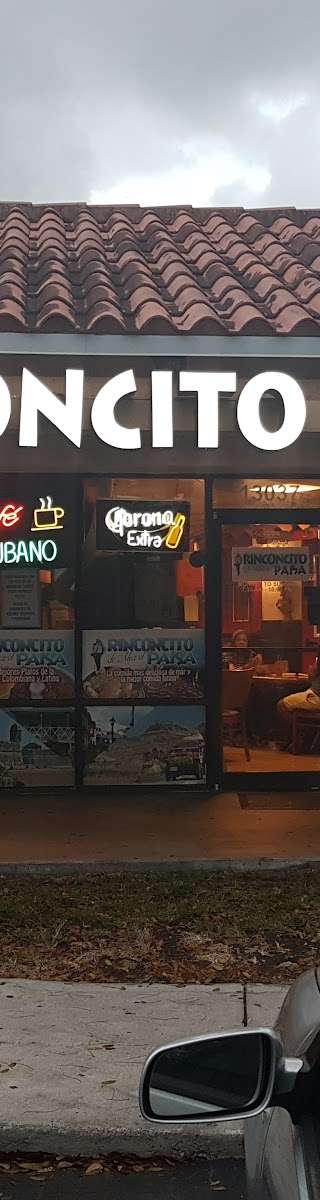 Rinconcito De Alex El Paisa
Grilled Meats, Picadas, and Charcoal Chicken
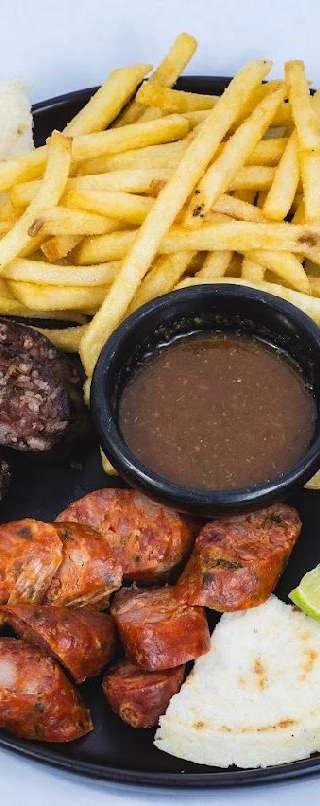
The picada is the most sociable thing on a Colombian menu: a wooden board or metal tray piled with chopped grilled meats, chorizo, morcilla, chicharrón, fried yuca, potato, and arepa, meant for a table to pick at over beers. It's the format that most obviously separates Colombian grilling from Argentine or Brazilian churrasco — smaller cuts, more variety, aji picante on the side rather than chimichurri.
Charcoal chicken is the other constant. A Colombian pollo asado is brined and spit-roasted over wood or charcoal, and the good versions are sold whole or by the half with yuca, arepa, and a garlicky sauce. Pico e Gallo BBQ up in Medley has one of the highest ratings of any Colombian spot in the county on the strength of exactly this. La Pata Gorda brings the picada format to Coral Gables in a room that works for a group dinner, and El Machetico in Doral does the grill-plus-fritanga combination that Doral's Colombian and Venezuelan crowds have kept in business for years. Sabor a Colombia, on Fontainebleau Boulevard, is the west-side neighborhood standby for a full grilled platter without the drive.
Colombian grills and picadas to try in Miami:
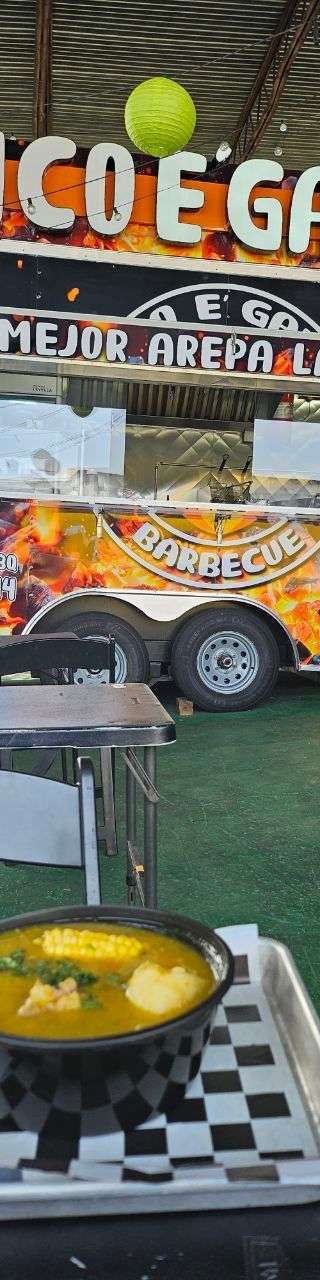 Pico e Gallo BBQ
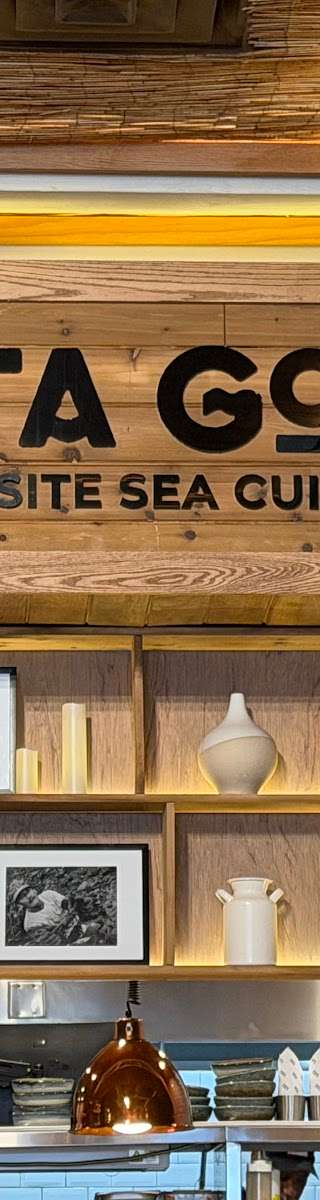 La Pata Gorda
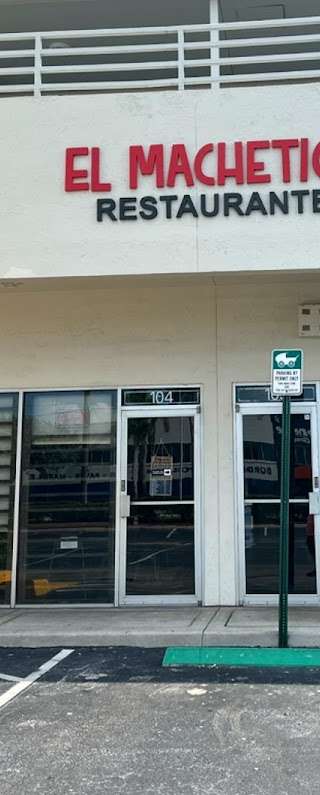 El Machetico Restaurant
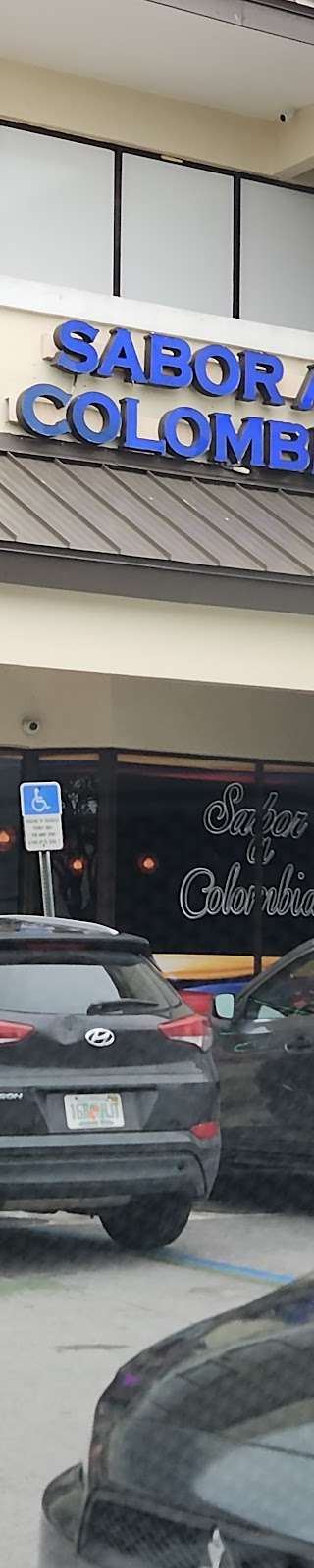 Sabor a Colombia
Arepas, Empanadas, and Antojitos
Here's the distinction Miami constantly blurs: the Colombian arepa and the Venezuelan arepa are not the same thing. The Venezuelan version is thick and split open like a pita, stuffed with reina pepiada or pabellón — that's the style you'll find at the counters in our Venezuelan food guide. The Colombian arepa is generally thinner, flatter, and treated as a side or a base rather than a sandwich: griddled plain and buttered, layered with cheese as an arepa de queso, or made from fresh sweet corn as an arepa de choclo, which arrives folded over melted queso costeño and eats like a savory pancake. The arepa e' huevo from the Caribbean coast is the outlier — a fried arepa with a whole egg cooked inside it.
Colombian empanadas are equally specific: small, deep-fried, made with a corn-flour shell that turns brilliant orange and crackles, filled with beef-and-potato hash and served with aji and a wedge of lime. They're a different animal from the baked Argentine version — we've broken that whole taxonomy down in our guide to Miami's empanada scene.
For antojitos, the Doral-to-Hialeah corridor is the place to be. Las Caleñitas in Doral is one of the highest-rated Colombian spots in Miami-Dade and turns out empanadas, buñuelos, and pandebono at a volume that keeps everything fresh. La Esquinita Colombiana in West Kendall is small, family-run, and worth ordering a mixed dozen from.
Arepas and empanadas to try in Miami:
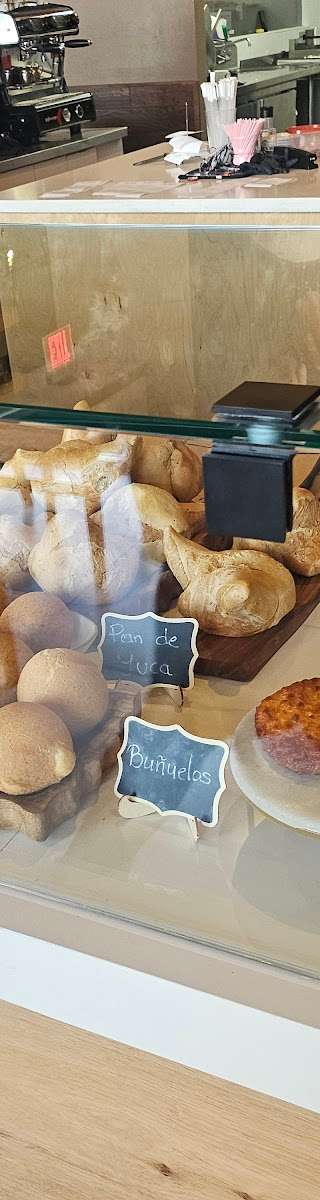 Las Caleñitas
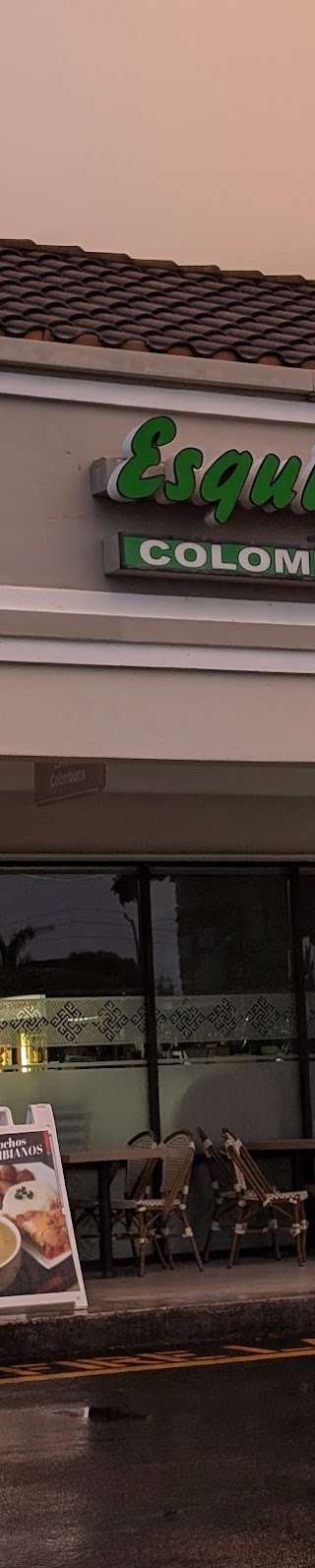 La Esquinita Colombiana
Street Food After Dark: Chuzos, Perros, and Lechona
Colombian street food is loud, late, and unapologetically piled high. The chuzo is a skewer of grilled beef, chicken, or pork served with a charred arepa and a fistful of papas criollas. The perro caliente colombiano buries a hot dog under crushed potato chips, shredded mozzarella, pineapple sauce, and a battery of squeeze-bottle condiments — a close cousin of the Venezuelan version but with its own sauce logic. And salchipapas, the fries-and-sliced-sausage combination, is the base layer under all of it.
Lechona deserves its own paragraph. It's a Tolima dish: a whole pig stuffed with rice, yellow peas, and its own seasoned meat, roasted for eight to ten hours until the skin turns to glass, then served in a heap with a piece of that crackling on top. It's traditionally a party dish sold by the pound, which is why it usually turns up at trucks and weekend operations rather than sit-down restaurants.
Los Perros in Westchester is the long-running favorite for loaded dogs and salchipapas. Megachuzo in Sunny Isles has one of the biggest followings of any Colombian street-food spot in the county, working the skewer end of the menu. And Lechona Truck on NE 79th Street does exactly what its name promises, with the crackling to prove it. All three are natural additions to a late-night eating rotation.
Colombian street food to try in Miami:
 Los Perros
 Megachuzo
 Lechona Truck
Panaderías: Pandebono, Buñuelos, and Almojábanas
The Colombian bakery is a genuinely distinct institution, and Miami has dozens of them hiding in strip malls. The stars are cheese breads: pandebono, made from cassava starch and fresh cheese, dense and slightly chewy with a hollow center; almojábana, softer and tangier from cuajada cheese; and buñuelos, round fritters of cheese and starch that are crisp outside and molten inside, traditionally a Christmas food that Miami eats year-round. Alongside them you'll find pan de yuca, obleas (wafer sandwiches filled with arequipe), and slabs of tres leches.
The move is to go early, buy more than you think you need, and eat the pandebono while it's still warm — they're built for the first twenty minutes out of the oven and go stubborn after that. Los Verdes in Doral is the largest and busiest of the group, a full bakery-café that also does hot plates at lunch. Las Delicias Colombianas in North Miami Beach covers the northern half of the county, and La Paloma in Hialeah is the neighborhood version — smaller, cheaper, and just as good on the cheese breads. If you want the wider picture of what Miami's baking right now, our bakery guide maps the rest of it.
Colombian bakeries to try in Miami:
 Los Verdes – Doral
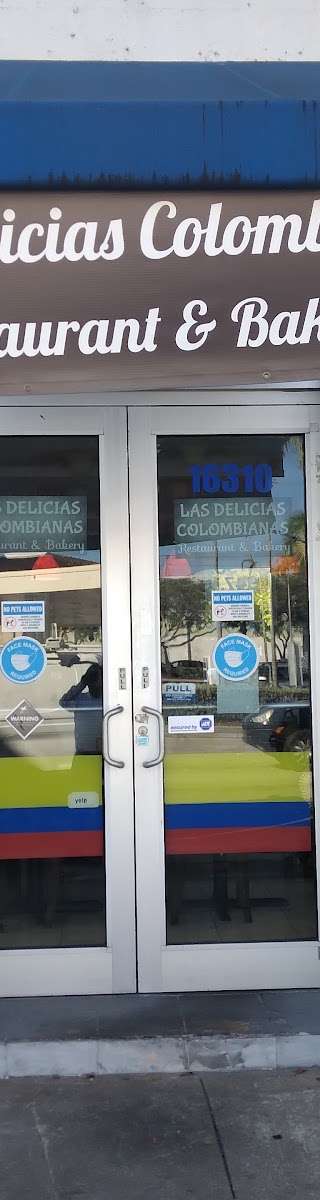 Las Delicias Colombianas
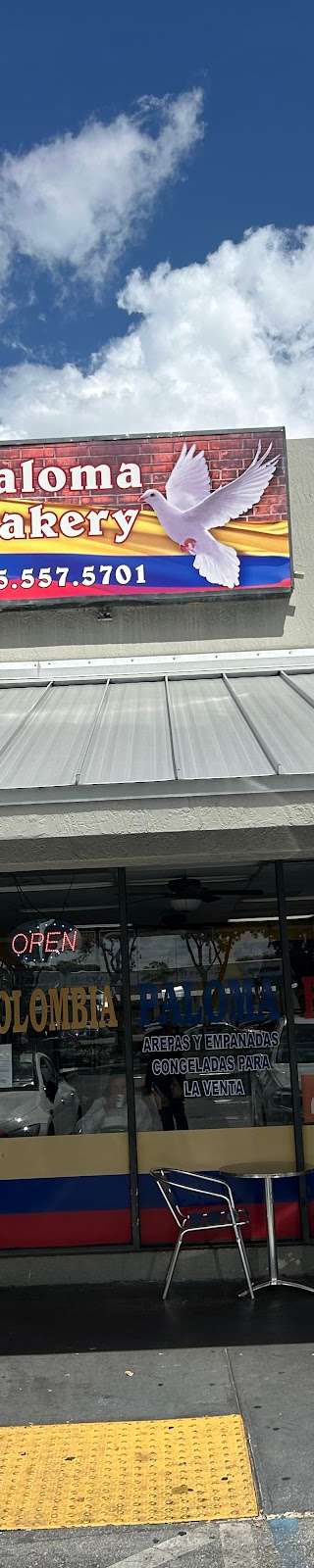 La Paloma Bakery & Restaurant
Colombian Coffee, Actually Served Colombian
Colombia grows some of the best coffee on earth and, for decades, exported nearly all the good stuff. That's changed — the specialty movement in Colombia now keeps its best microlots at home, and a handful of Miami cafés source directly from them. Macondo Coffee Roasters roasts Colombian beans in-house and does it seriously enough to appeal to people who normally roll their eyes at single-origin talk; the espresso and the cold brew are both worth the trip. Mina Bistro in Midtown pairs the coffee with a Colombian breakfast menu — calentado, arepas, huevos pericos — which is the right way to drink it. If you're curious how this fits into Miami's larger coffee landscape, from third-wave roasters to the ventanita, that's a whole separate map.
Colombian coffee to try in Miami:
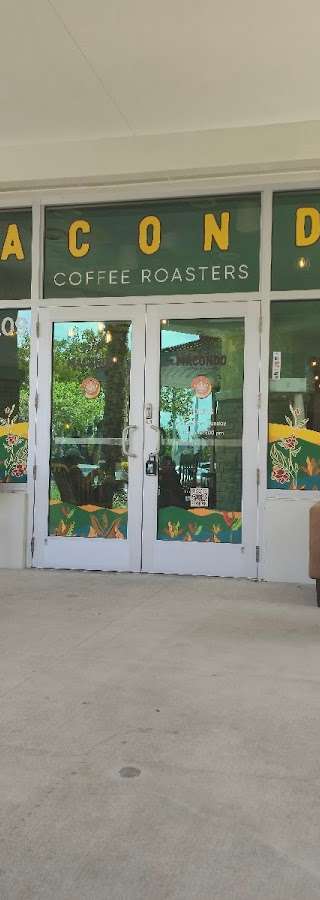 Macondo Coffee Roasters
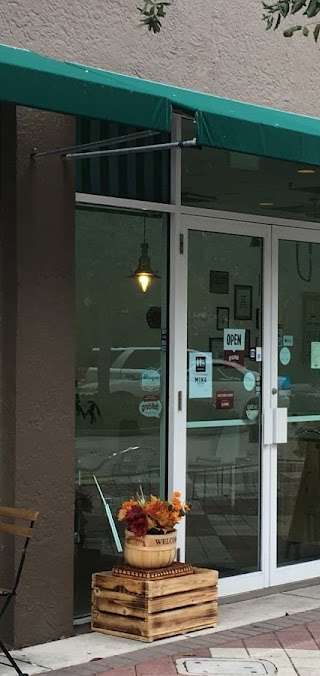 Mina Bistro
The High End: Elcielo and Modern Colombian
For a long time, Colombian food in the U.S. meant inexpensive and generous, full stop. Juan Manuel Barrientos changed that. Elcielo, his Brickell restaurant, holds a Michelin star — the only Colombian restaurant in the country to do so — and runs a tasting menu that treats Colombian ingredients and memory as fine-dining material: the tree of life, the chocolate-and-hands course, cacao and panela and Amazonian herbs deployed with real technique. It's an expensive night and an unusually theatrical one, and it sits comfortably alongside the city's other counters in our Michelin coverage.
Below the tasting-menu tier, a few rooms do modern Colombian at a normal restaurant price point. Andrés Carne de Res, the Miami Beach import of the legendary Chía institution outside Bogotá, is less a restaurant than a maximalist spectacle — hours long, loud, decorated within an inch of its life, and genuinely fun if you go with a group and commit. Palo Quemao in Edgewater takes its name and its concept from Bogotá's great produce market, building a menu around Colombian ingredients in a contemporary setting. And El Patio 305 in Coral Gables is where the food turns into a night out, with Colombian plates giving way to dancing as the evening goes on.
Modern and upscale Colombian to try in Miami:
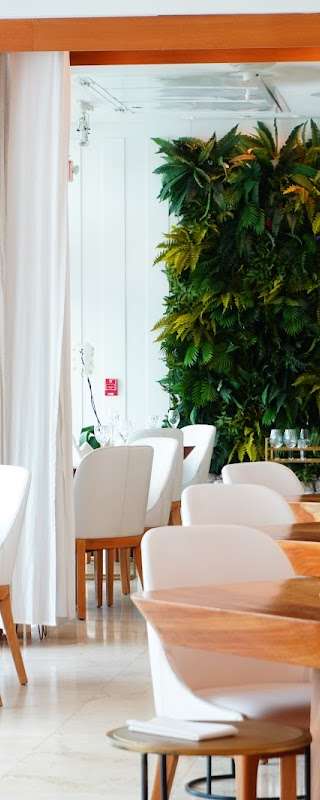 Elcielo
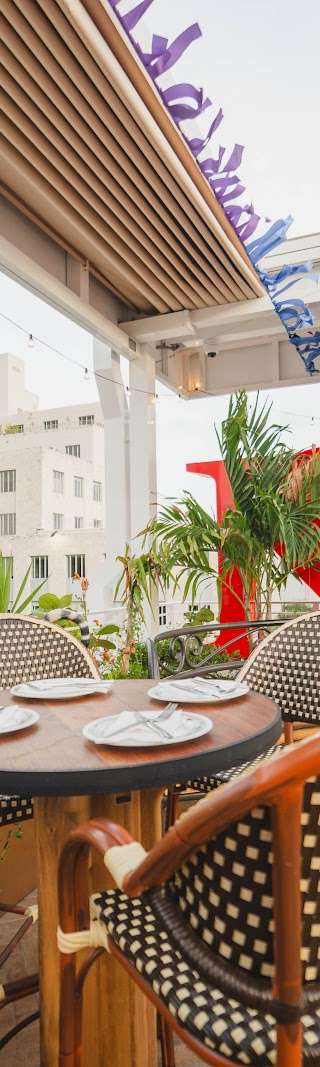 Andrés Carne de Res Miami
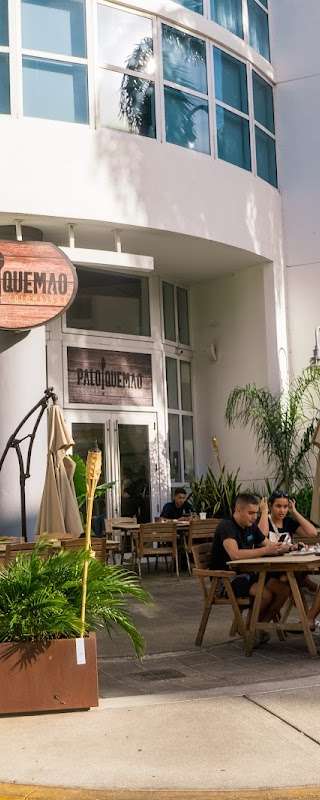 Palo Quemao
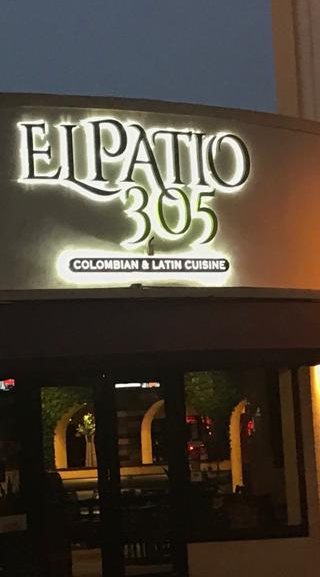 El Patio 305
How to Eat Your Way Through It
If you're starting from zero, the sequence that makes the most sense is: a bandeja paisa for lunch somewhere out west, a bag of pandebono from a Doral or Hialeah panadería the next morning, chuzos or a perro caliente on a Friday night, and — when you're ready to spend — a table at Elcielo. That's four meals and roughly the full range of a cuisine that most of the country still doesn't know much about.
The most encouraging thing about Colombian food in Miami is how little of it is trying to be anything other than itself. The lunch counters aren't chasing a design magazine, the bakeries haven't reinvented pandebono, and the one restaurant that did go looking for a Michelin star got there by leaning harder into Colombia rather than away from it. Order the thing you can't pronounce. It'll be good.