October 9, 2026
Cafecito and Ventanita in Miami: How to Order Cuban Coffee Like a Local

Every city has a coffee order that marks you as a local. In Miami, it isn't a drink so much as a small, loud ritual that happens at a walk-up window cut into the side of a strip-mall storefront, usually with a line of regulars leaning on the counter mid-conversation. That window is the ventanita, and what comes out of it — thick, sweet, intensely caffeinated Cuban espresso — is the closest thing this city has to a civic language. You don't need to speak Spanish to order at one. You do need to know the menu, the etiquette, and why nobody drinks a colada by themselves.
This is a service manual, not a nostalgia piece. Ventanitas are still everywhere in Miami — Little Havana, Westchester, Hialeah, the mainland side of Miami Beach — and a wave of newer coffee shops has started building the same ritual into third-wave espresso bars, sometimes on purpose and sometimes because customers demanded it. Whether you've lived here for decades or just landed at MIA, here's how to walk up to the window and order like you've been doing it your whole life, plus the specific counters worth the drive. For a broader tour of the cuisine this coffee comes from, see our guide to Cuban restaurants in Miami.
The Menu, Decoded
The Cuban coffee menu looks short until you actually try to order from it, because every drink is a variation on the same base shot and the differences matter. A cafecito (also called a colada when ordered in the larger to-go size) is Cuban espresso pulled sweet — the sugar is whipped with the first drops of espresso into a foam called espumita before the rest of the shot hits it, which is why it tastes nothing like a sweetened American coffee. A cortadito is that same espresso cut with a splash of steamed milk, roughly the ratio of a macchiato, served in a small cup. A café con leche flips the ratio — it's steamed milk with espresso added in, closer to a Cuban-style latte, and it's what people actually sit down and drink with breakfast rather than shoot standing up. An americano cubano is the outlier: Cuban coffee cut with hot water instead of milk, for people who want the flavor without the dairy or the sugar crash.
The words matter because ordering the wrong one gets you something you didn't want — asking for "a cafecito" at a busy window when you actually want a sit-down café con leche will get you a thimble of straight sugar-shot espresso, not a mug. If you're unsure, the safe fallback line is "colada para llevar, dos leches" (a to-go colada, two milks/sugars) or just point at what the person in front of you ordered.
The Colada Is a Group Order
This is the rule that trips up newcomers most: a colada is not a personal-sized coffee. It's a shared pour — a large cup of cafecito that comes with a stack of small plastic thimble cups (tacitas) on the side, meant to be split among a group. Ordering a colada by yourself and drinking straight from the cup marks you as new in town about as clearly as anything can. The correct move is to buy one colada for the office, the job site, the car full of coworkers, and pour thimbles for everyone — it's the coffee-run equivalent of bringing back a box of donuts, except it's older than the modern office and non-negotiable at some workplaces. If you only want a coffee for yourself, order a cafecito (the single-shot size) or a cortadito, not a colada.
The etiquette runs both directions: if a coworker walks in with a colada and a stack of tacitas, you take one. Declining is a mild social foul. This is also why ventanita culture skews toward mid-morning and mid-afternoon — the 3 p.m. colada run is as much a Miami office institution as the coffee itself.
The Pastelito Situation
No cafecito order is really complete without a pastelito, the flaky, puff-pastry hand pie sold at every ventanita and Cuban bakery in the city. Guayaba (guava paste) is the default and the sweetest; guayaba y queso adds a layer of cream cheese and cuts the sugar; carne is a savory ground-beef version that reads more like a snack than a dessert. A good pastelito should be warm, glazed, and shatter slightly when you bite it — if it's dense, cold, or the glaze has gone tacky, it's been sitting in the case since the morning batch. The reliable tell at any counter is turnover: watch whether the tray behind the glass is being refilled, not just topped off.
Pastelitos are a cousin of the empanada, not the same thing — for the full breakdown of Miami's empanada scene by country of origin, that's its own guide. At a ventanita, pastelitos are the default; empanadas show up more at dedicated Latin bakeries and food trucks.
Ventanita Etiquette
A few rules keep the line moving and keep you from standing out for the wrong reasons. Ventanitas run almost entirely on cash, especially the older, family-run ones — bring small bills, because a $20 for a $1.75 cafecito will get you a look. Ordering in Spanish isn't required, but knowing the four or five drink names above goes a long way, and most counters are fluently bilingual regardless. You don't sit down at a ventanita — there's rarely anywhere to sit. You stand at the counter, order, and either drink your thimble on the spot while catching up with whoever's next to you, or take your colada and go. That standing conversation is the actual point of the ritual as much as the coffee is; ventanitas function as informal town squares for the blocks around them, which is part of why the best ones have regulars who've been coming for twenty years.
Tipping a dollar in the jar is appreciated but not obligatory for a $2 cafecito; it becomes more expected as the order gets larger (a colada with a dozen tacitas, or a full breakfast).
The Windows Worth the Drive
Ventanita quality varies a lot across the city, and the best ones cluster in a few neighborhoods. Here's where to go by area, plus one modern detour if you want the ritual without the drive to Calle Ocho.
Little Havana
This is the ventanita's home turf, and Calle Ocho still has the highest concentration of serious counters in the county. Start at the window of an institution, work in a newer favorite, and end at a walk-up fruit stand that's been slinging guarapo since before most of Wynwood existed.
♥ Editor's Pick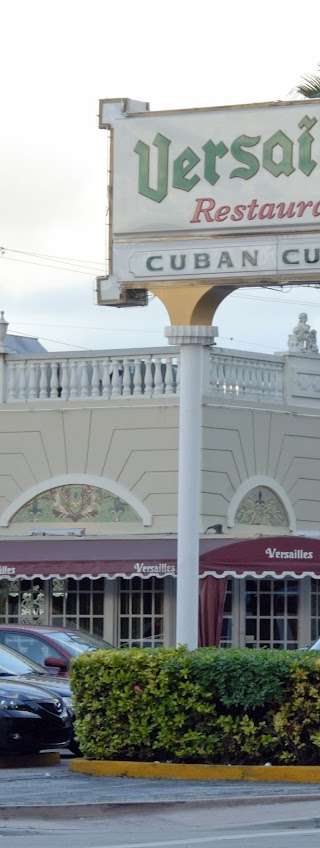 Versailles Restaurant
 La Ventanita
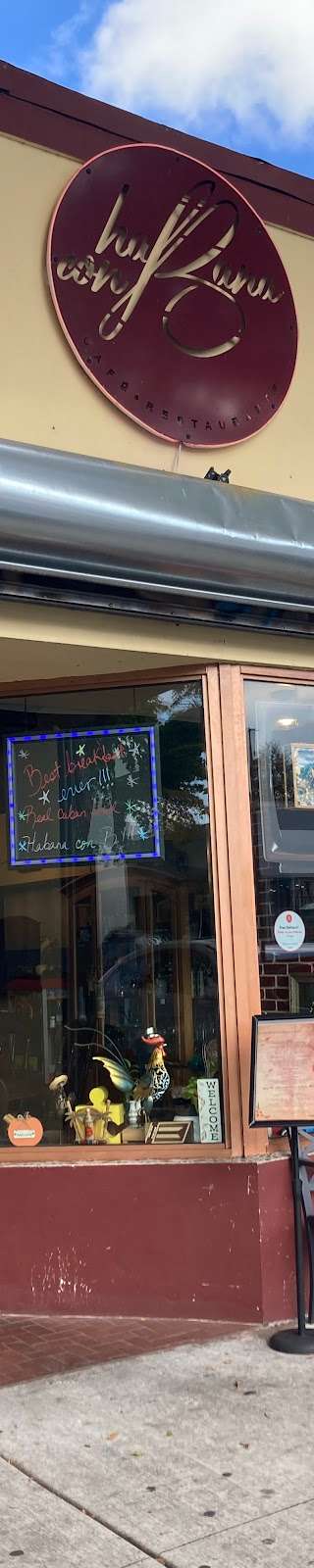 Habana con B
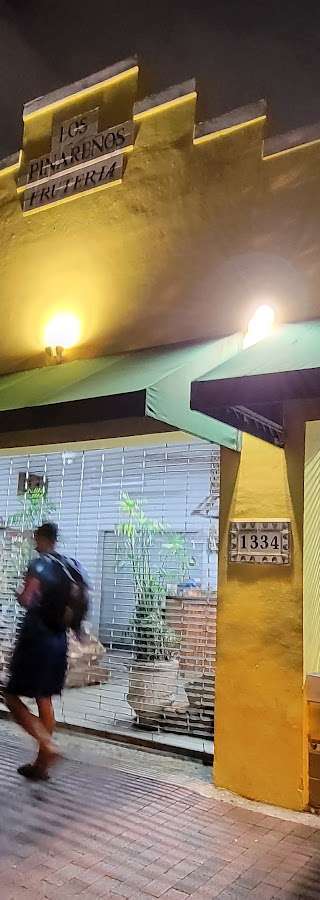 Los Pinareños Fruteria
Westchester
West of Little Havana, Westchester is where a lot of Cuban Miami actually lives now, and its ventanitas skew a little quieter and more residential — less tourist traffic, same standards.
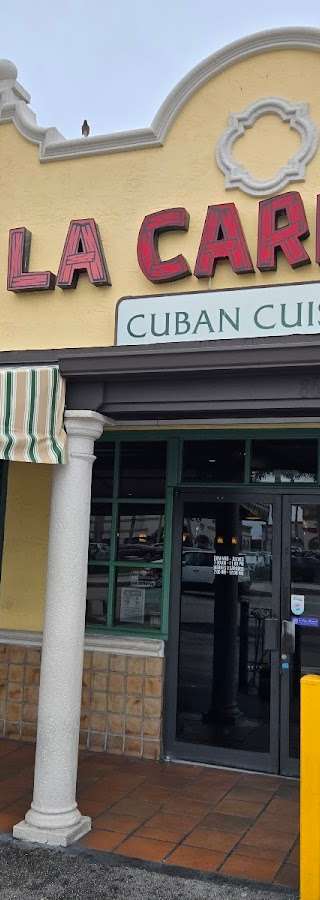 La Carreta – Bird Road
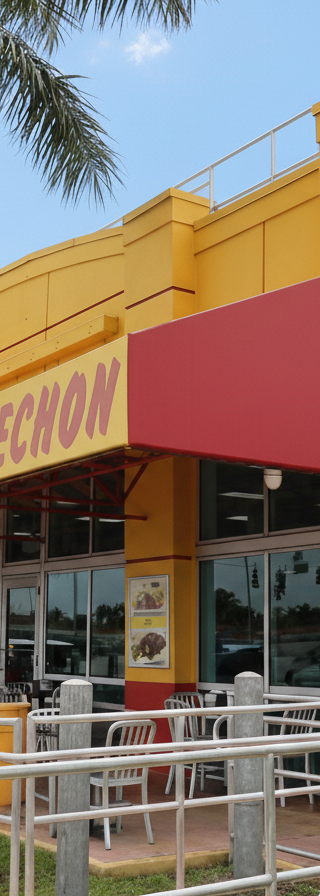 El Palacio de los Jugos
Hialeah
Hialeah has the densest Cuban-American population in the county, and its ventanitas are correspondingly serious business — this is where you'll find the fastest lines, the strongest opinions about sugar ratios, and counters that have been family-owned for generations.
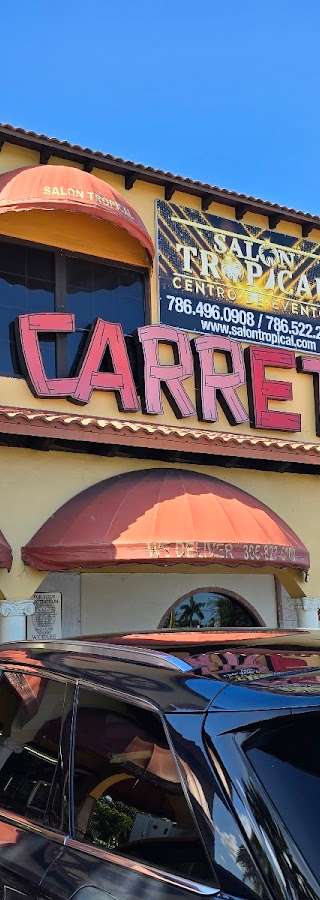 La Carreta – Hialeah
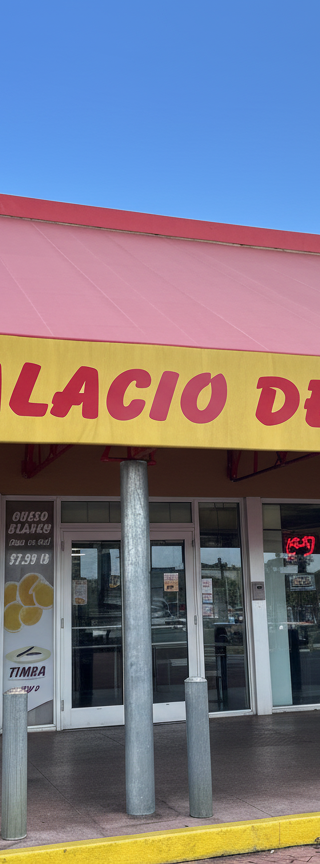 El Palacio de los Jugos
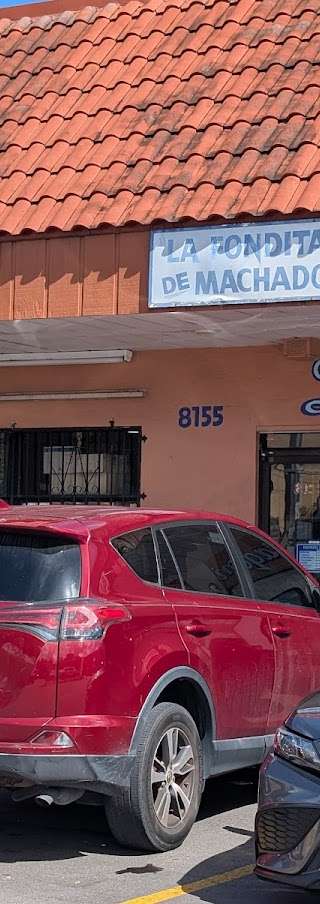 La Viña Aragon
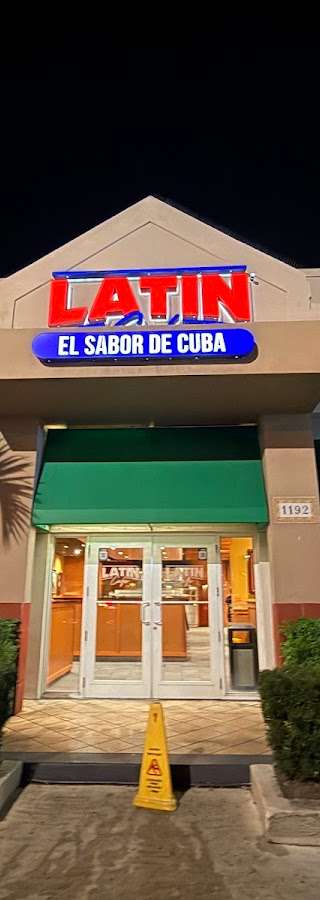 Latin Cafe 2000
Miami Beach
The Beach isn't ventanita country in the traditional sense, but the ritual has taken root on the mainland-facing side of the barrier island, especially in North Beach's Latin enclaves.
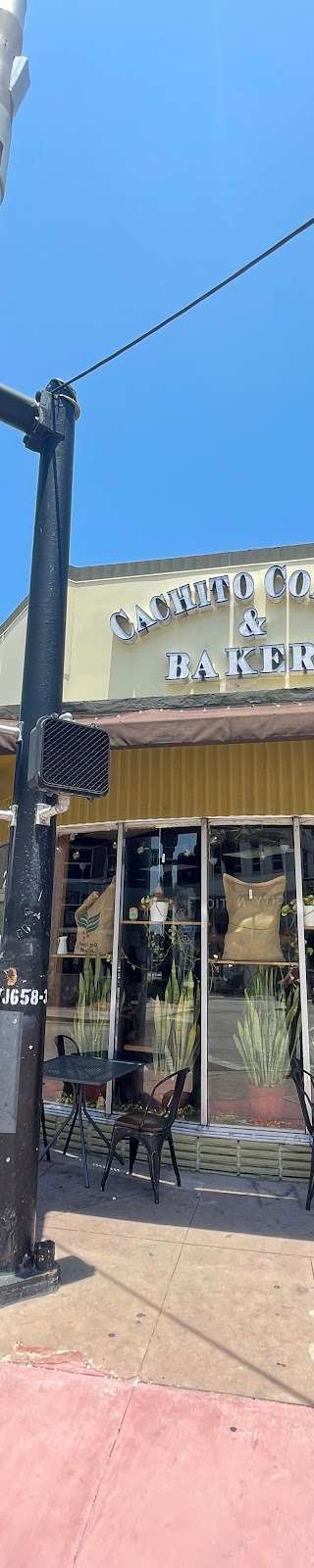
The New-School Detour
Over the last several years, a handful of Miami's third-wave coffee shops have started building cafecito and cortadito into menus otherwise built around single-origin pour-overs and oat milk — not as a novelty, but because customers who grew up on ventanita coffee wanted the real thing alongside their cold brew. The espresso is often a lighter, more specialty roast than the traditional dark-roast blend, which makes for a noticeably different cortadito: brighter, less bitter, still sweet. It's a good option if you want the format without the stand-at-the-counter pace, or if you're pairing it with a proper sit-down breakfast — a cortadito and a medianoche is one of the better cheap combinations in the city, and if sandwiches are more your focus, our guide to Miami's best sandwiches covers the rest of that counter.
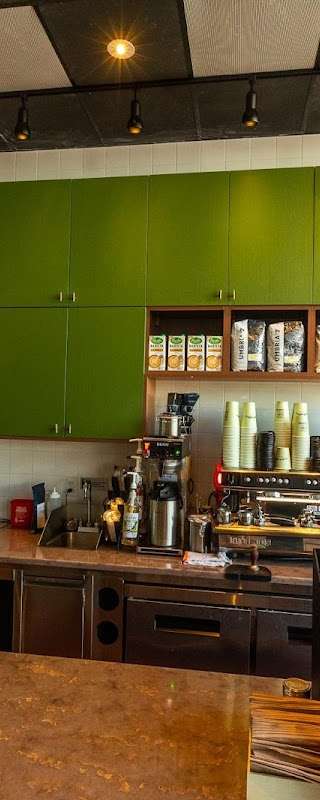 Cortadito Coffee House
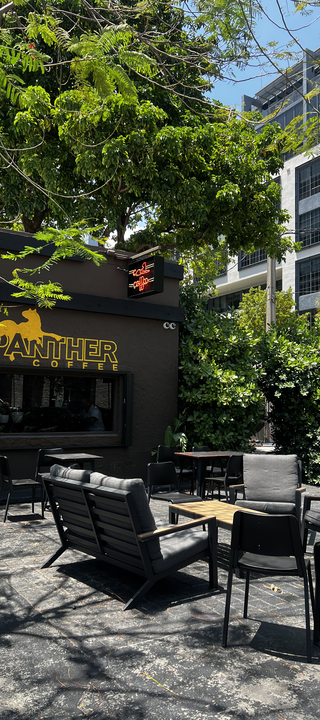 Panther Coffee – Wynwood
 All Day
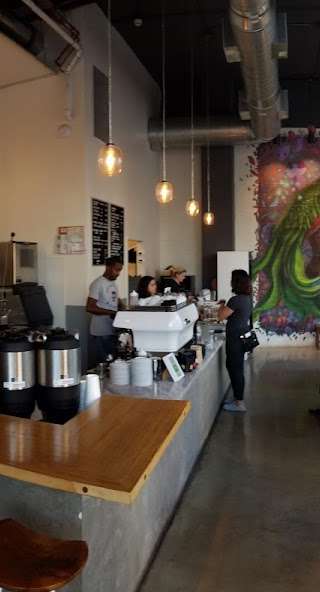 Vice City Bean – Downtown
Cafecito culture is one of the few things in Miami that's genuinely classless — the same drink gets ordered by construction crews, bank executives, and tourists standing shoulder to shoulder at the same window, all paying under three dollars for it. It's also one of the cheapest rituals the city has to offer; for more of that end of the spectrum, see our roundup of Miami's best cheap eats. Whether you stick to the classic Calle Ocho counters or find your cafecito at a third-wave shop in Wynwood, the rule stays the same: know your order, share the colada, and don't sit down.