September 12, 2026
Best Nicaraguan Restaurants in Miami: Fritangas, Churrasco, and Quesillo
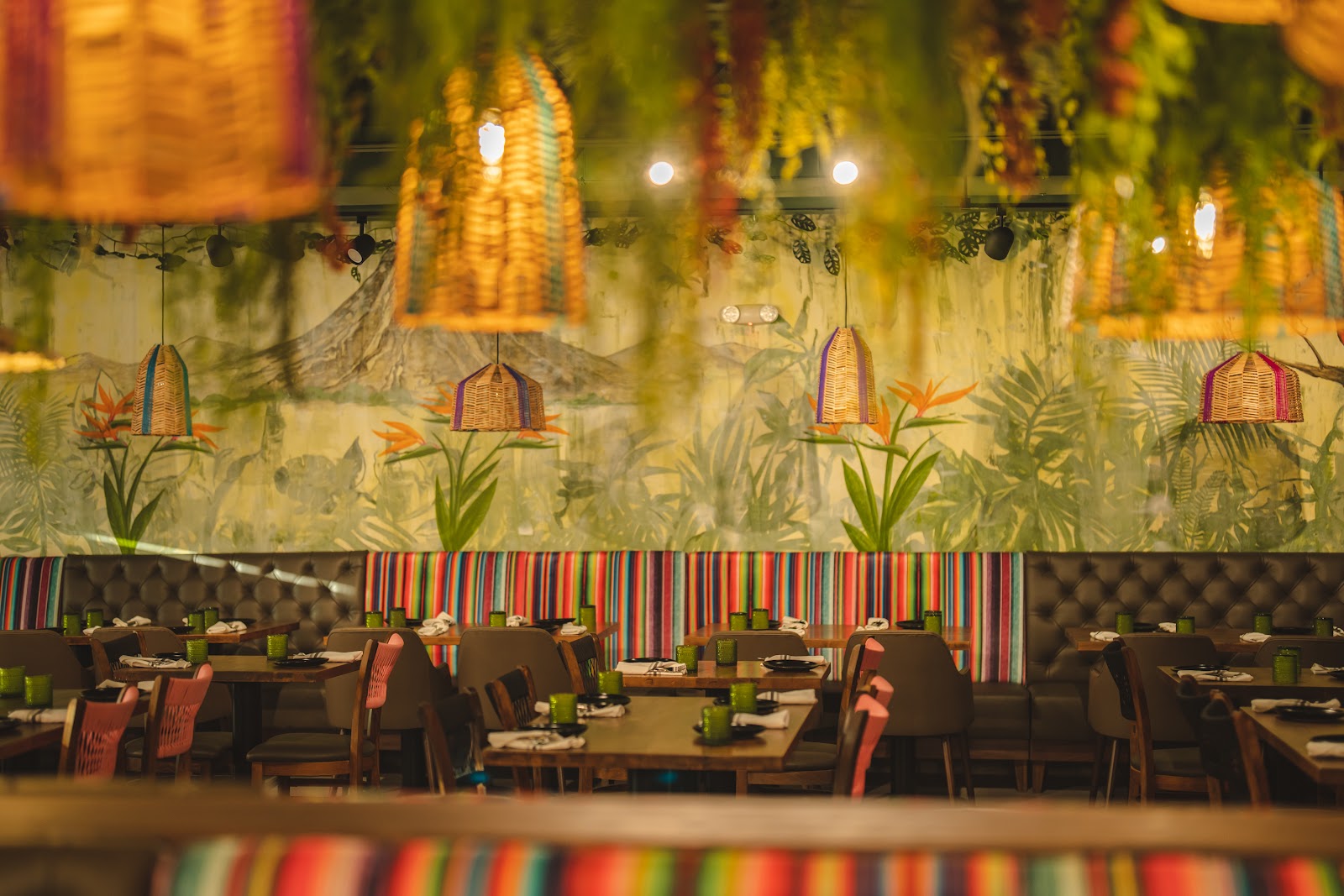
Ask a Miamian where the Nicaraguan food is and the answer is usually one word: Sweetwater. The small city on the western edge of the county, wrapped around West Flagler Street and SW 107th Avenue, has been nicknamed Little Managua since the 1980s, when the first big wave of Nicaraguan families arrived and stayed. Miami-Dade now has more Nicaraguans than any other metro in the United States, and you can taste it — in the strip-mall fritangas, in the tortillerías pressing corn by hand, and in the churrasco houses that turned a Managua steak dinner into a Miami institution.
And yet, for a cuisine this deeply rooted here, it gets almost no coverage. The big food media skips it. The lists stop at Cuban. That's a shame, because Nicaraguan food is one of the best values in the city and one of the most distinct: charcoal-grilled beef, red beans and rice fried together into gallo pinto, sweet fried plantains, salty squeaky fried cheese, and a whole vocabulary of corn — nacatamales, güirilas, rosquillas, and the braided string cheese called quesillo.
This guide starts with a short primer on how a fritanga works, because that's where most of the eating happens, then moves through the rooms by neighborhood: the Sweetwater and West Flagler core, the Little Havana and Flagami stretch, the Hialeah-and-beyond outposts, the sit-down churrasco houses, and finally the bakeries and quesillo counters. Everything here is open, in Miami-Dade, and worth a detour. If you're building a broader cheap-eats route, our guide to the best cheap eats in Miami pairs well with this one.
How a Fritanga Works
A fritanga is Nicaragua's answer to the cafeteria: a counter with a steam table and a charcoal grill behind it, where you point at what you want and someone piles it onto a plate. The name comes from freír — to fry — and the original street fritangas of Managua were literally a grill and a vat of oil set up on a sidewalk at dusk. In Miami the format moved indoors into strip-mall storefronts, but the rhythm is the same. You order at the counter, you pay by the plate or by the pound, and you eat fast.
The plate is built around a protein and a set of sides. The proteins: carne asada (thin-cut beef marinated in sour orange and grilled over charcoal until the edges char), cerdo asado (the pork version), pollo asado, and on the steam table, slow-cooked things like indio viejo (shredded beef in a thick corn-masa stew) and carne desmenuzada (shredded beef with peppers and onions). The sides are where Nicaraguan food shows its personality. Gallo pinto is red beans and rice fried together with onion until the rice takes on the color of the beans. Maduros are ripe sweet plantains, fried soft; tajadas are the green, crisp-fried version, often served under a mound of cabbage salad and a slab of queso frito, the salty, squeaky pan-fried cheese that shows up on almost every plate. Vigorón is its own thing: boiled yuca, chicharrón, and a tangy cabbage-and-tomato slaw served on a banana leaf.
A few practical notes. Most fritangas do their best business at lunch and early dinner, and the steam table is at its freshest before 2 p.m. Portions are large — one plate feeds one hungry person or two reasonable ones. Some of the older counters still lean toward cash, so it's worth carrying some. And if you see nacatamales on a weekend, order one: a big banana-leaf-wrapped tamal of corn masa, pork, rice, potato, and mint that Nicaraguans eat for Saturday or Sunday breakfast.
The Sweetwater and West Flagler Fritangas
West Flagler Street between roughly SW 97th and SW 117th Avenues is the densest stretch of Nicaraguan food in the country. Fritangas sit two and three to a plaza here, next to Nicaraguan bakeries, tortillerías, and remittance shops, and on a Saturday morning the sidewalk smells like charcoal by 10 a.m. This is where to start.
The top-rated room in the neighborhood is the Sweetwater location of Selva Negra, on SW 107th Avenue just south of Flagler — a bigger, newer sibling of the original on West Flagler in Little Havana, and the one locals now point visitors to for carne asada with all the sides. A block-and-a-half west on Flagler, Marlon's Cafe Fritanga is the small-café version: breakfast plates of gallo pinto, eggs, and queso frito in the morning, carne asada by noon, and a regular crowd that treats it like a kitchen extension. The Spotted Gallo, further east on Flagler, is the neighborhood's modern take — a sit-down room that updates the fritanga canon with a proper bar and plated presentations, and a good first stop if a steam table feels intimidating.
Carne Asada Tortillería Nicas, in the busy plaza at 10404 West Flagler, does exactly what the sign says: charcoal carne asada and hand-pressed corn tortillas, which is a combination worth the trip on its own. The same plaza holds a Nicaraguan bakery and a second fritanga, so it's an easy place to graze. If the beef makes you want to compare it against the Argentinian and Uruguayan versions across town, our guide to Miami's steakhouses explains how the churrasco styles differ.
Sweetwater and West Flagler fritangas to try in Miami:
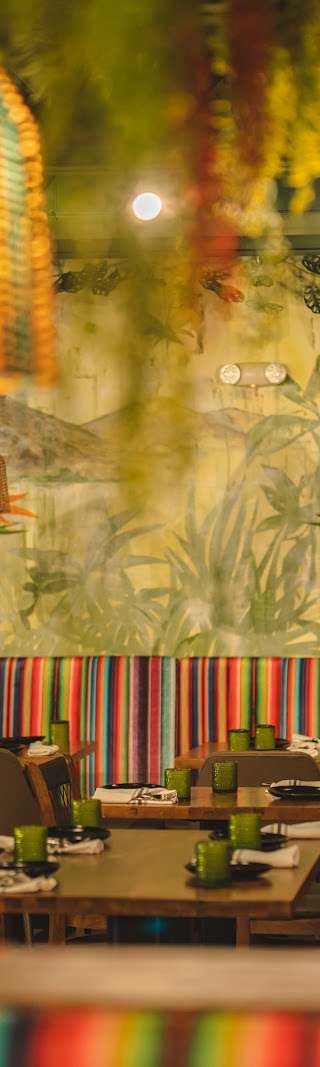 Selva Negra Sweetwater
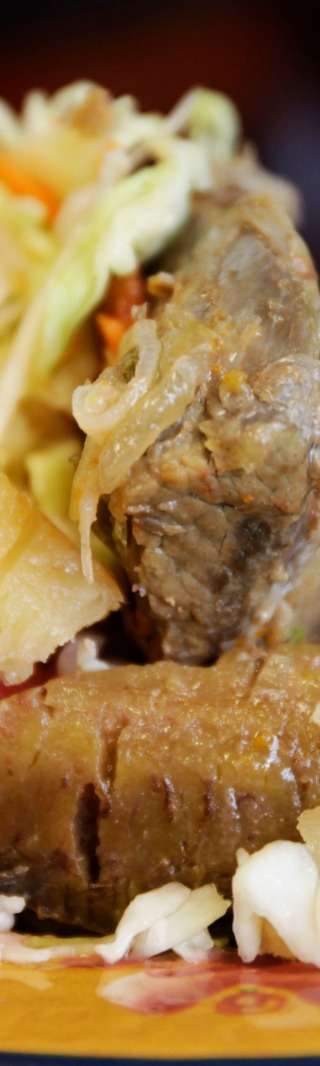 Marlon's Cafe Fritanga
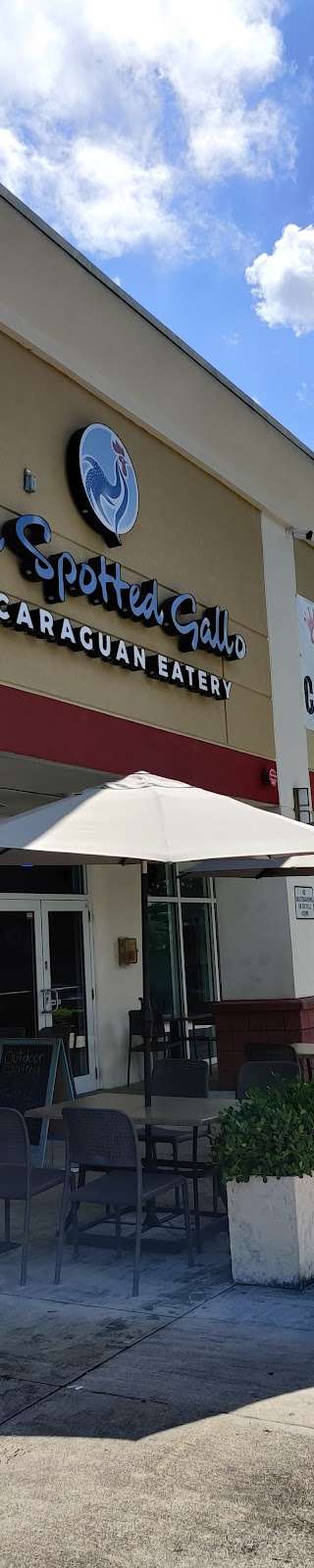 The Spotted Gallo
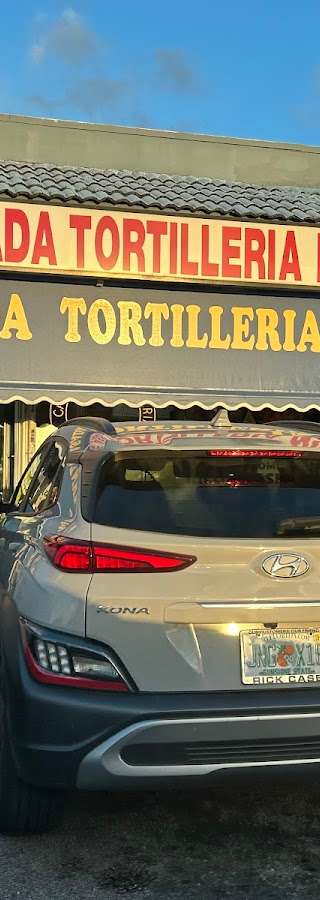 Carne Asada Tortilleria Nica
Little Havana and Flagami
Before Sweetwater, there was West Flagler in Little Havana. The blocks between 12th and 27th Avenues, and the NW 7th Street corridor just north of them, were the first Nicaraguan foothold in Miami, and the oldest, biggest-name fritangas are still here. Several of them have thousands of reviews and lines out the door, which in this category is a good sign, not a warning.
Fritanga Caña Brava, on NW 7th Street in Flagami, is probably the most-reviewed Nicaraguan restaurant in Miami, a big counter with a long steam table and carne asada coming off the grill continuously. Pinolandia, on NW 12th Avenue at the edge of Little Havana, is the other heavyweight: a proper fritanga with a full menu of grilled meats, vigorón, and weekend nacatamales, and one of the places people mean when they say "the good fritanga." A few blocks away on SW 1st Street, Yambo is the one you've seen photos of — a 24-hour compound decorated floor to ceiling with folk art, murals, and found objects, where the carne asada is dependable and the atmosphere is unmatched at 3 a.m. It's a Miami classic in the same sense that a Cuban ventanita is; if you're doing an old-school tour, our roundup of the best Cuban restaurants in Miami covers the neighboring tradition.
Two smaller rooms round out the stretch. Nica Premium, further west on NW 7th Street, is a newer counter that has quickly become one of the highest-rated fritangas in the city, with charcoal carne asada and a queso frito that people specifically drive for. Guayacan, on Calle Ocho in Coral Way, is the sit-down option: a full-service Nicaraguan restaurant with tablecloths, a real dining room, and a menu that runs from fritanga plates to churrasco and whole fried snapper.
Little Havana and Flagami Nicaraguan spots to try in Miami:
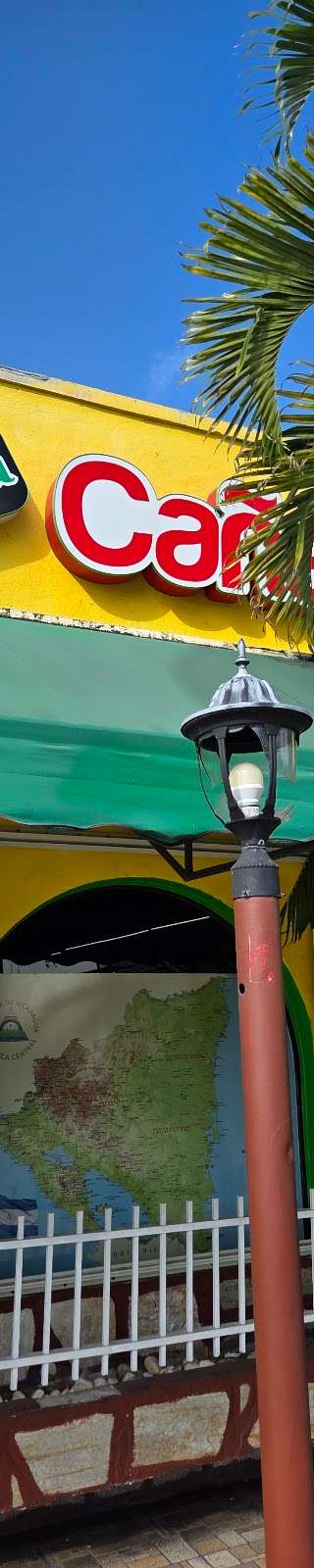 Fritanga Caña Brava
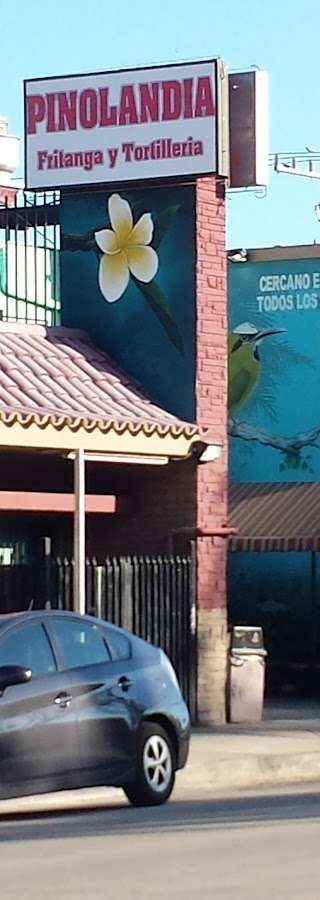 Pinolandia
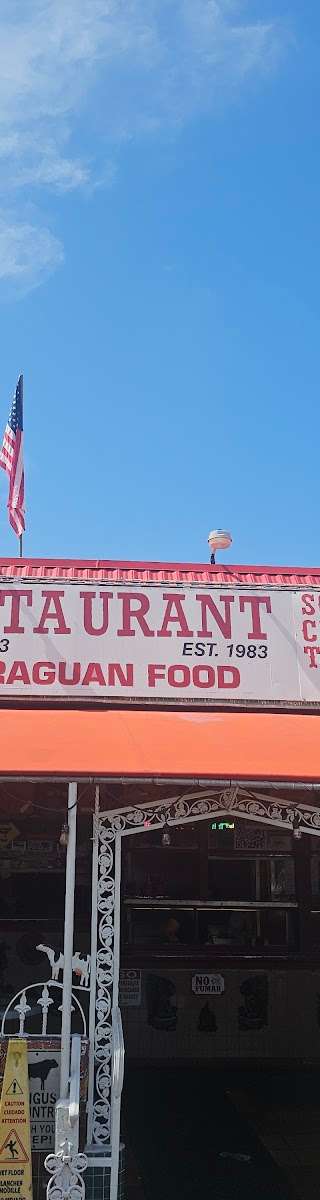 Yambo
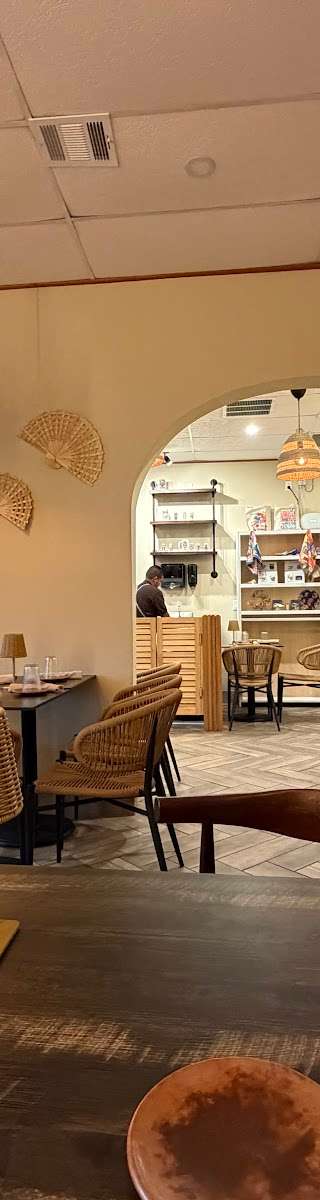 Nica Premium
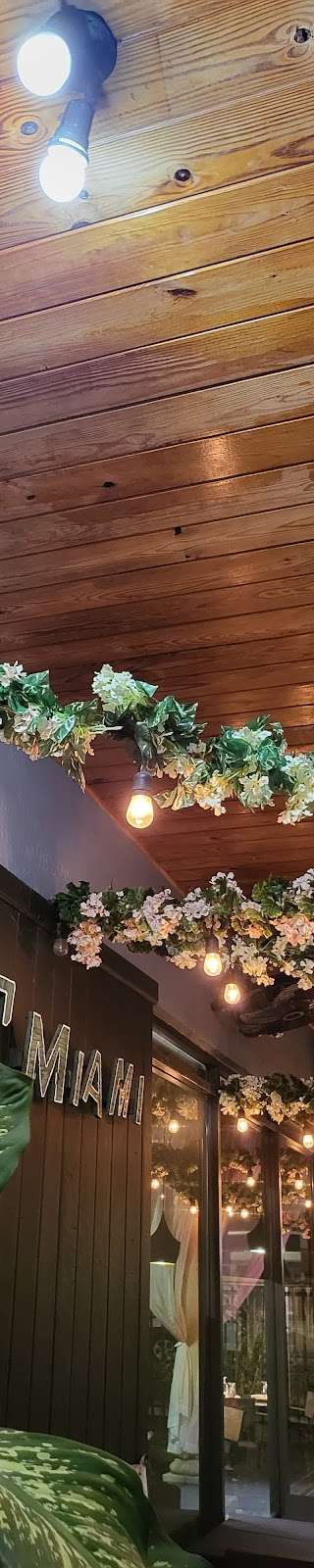 Guayacan Miami Restaurant
Hialeah, Medley, North Miami, and Bird Road
Nicaraguan Miami doesn't stop at the Sweetwater line. Hialeah has a cluster of fritangas along Palm Avenue and the west 40s, Medley's warehouse district feeds its workforce on gallo pinto, and there are outposts as far north as Biscayne Boulevard in North Miami and as far south as Bird Road. Several of these are the highest-rated Nicaraguan kitchens in the county, precisely because they're neighborhood places cooking for regulars rather than for foot traffic.
Fritanga Nica Power, on Biscayne Boulevard in North Miami, is the standout of the northeast: a small, family-run counter with a reputation for better-than-average beef and generous plates, and the only serious fritanga for miles in any direction. In Hialeah, Fritanga Amerrisque on Palm Avenue holds the highest rating of the bunch, a compact room where the steam table changes daily and the carne asada is charred properly, and Fritanga Las Piedrecitas, out in the west 100s near Hialeah Gardens, is the bigger, busier alternative with a long list of grilled meats and stews.
Fritanga Diner, tucked into an industrial park in Medley, is the sleeper: a lunch counter that pulls warehouse and trucking crews from across the district and that non-locals almost never find. Down south, Fritanga Cocina de Doña Angela on Bird Road cooks in a home-kitchen style — the daily table leans toward the slow-cooked side of the canon, with indio viejo and carne desmenuzada alongside the grill. Fritanga Coquito, in a plaza on West 46th Street in Hialeah, is a solid neighborhood counter if you're already nearby.
Hialeah, Medley, North Miami, and Bird Road fritangas to try in Miami:
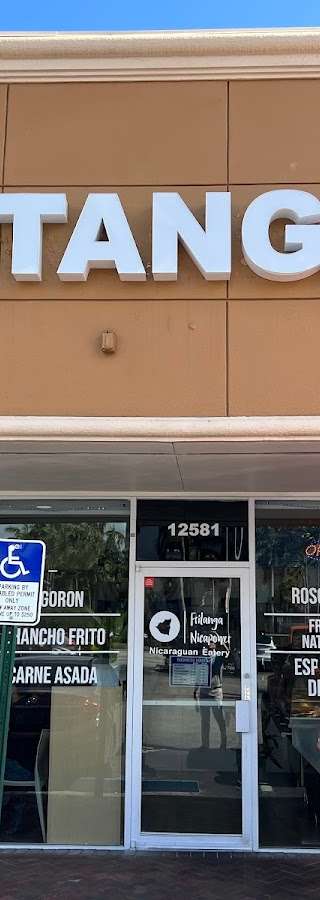 Fritanga Nica Power
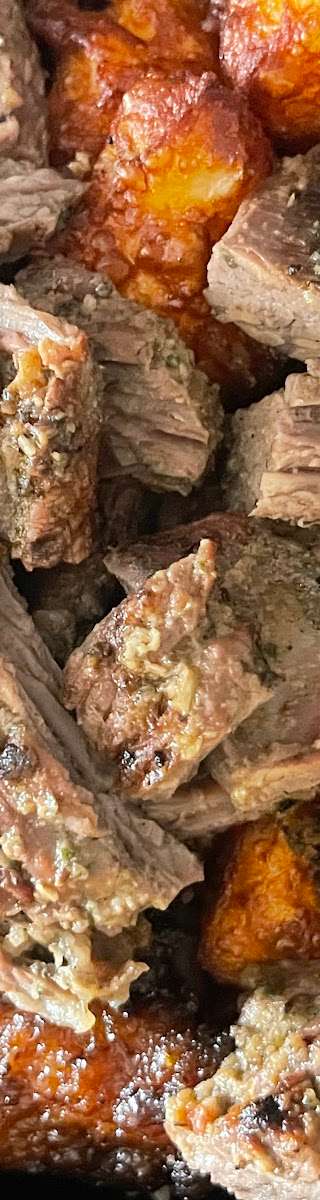 Fritanga Amerrisque
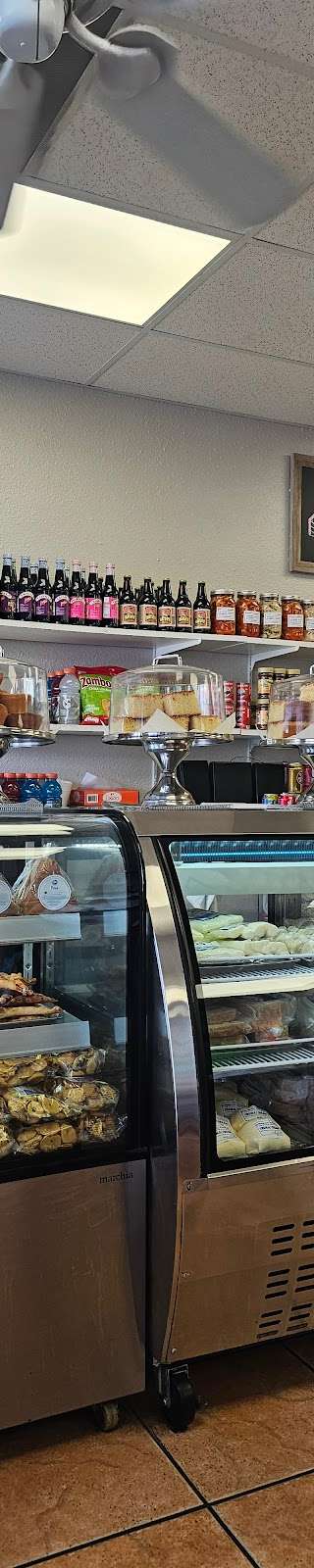 Fritanga Las Piedrecitas
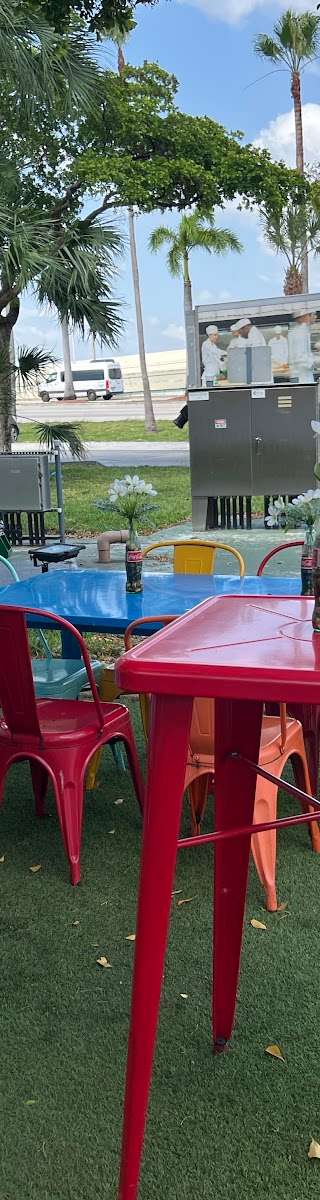 Fritanga Diner
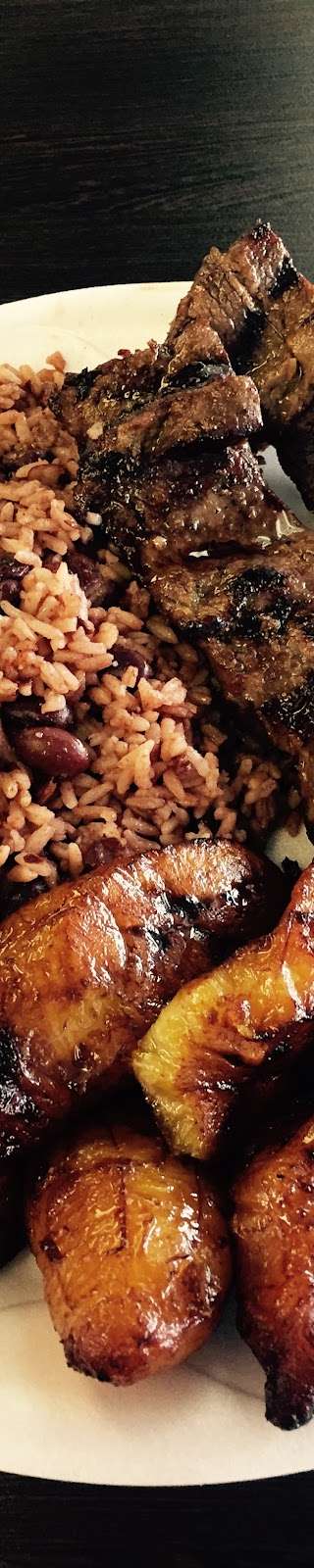 Fritanga Cocina de Doña Angela
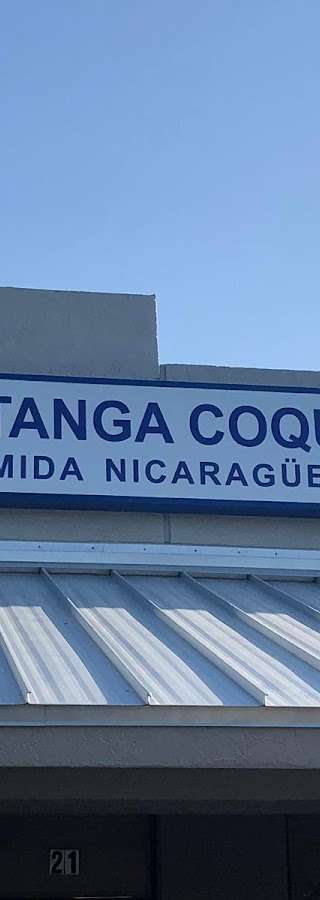 Fritanga Coquito
Churrasco Houses and Sit-Down Nicaraguan Rooms
The other pillar of Nicaraguan food in Miami is the churrasco house. In Nicaragua, churrasco means a specific cut — a thin, butterflied tenderloin, grilled over charcoal and served with chimichurri, cebollitas (grilled spring onions), gallo pinto, and maduros — and the Managua steakhouses that popularized it in the 1970s set up Miami branches as soon as the community arrived. These are sit-down restaurants with waiters, tablecloths, and a bar; they're where Nicaraguan families go for birthdays and Sunday lunch, and they're a very different experience from the counter-service fritanga.
Madroño, on West Flagler in Westchester, is the polished one: a contemporary Nicaraguan restaurant that has climbed to the top of the ratings with refined churrasco, an extensive list of seafood and Nicaraguan classics, and a room nice enough for a date. Los Ranchos Steakhouse, now at The Falls in Kendall, is the name most Miamians associate with Nicaraguan churrasco — a Managua-born brand whose Miami restaurants have fed the city since the 1980s, with the classic chimichurri-and-cebollitas plate and a white-tablecloth dining room. Cerro Negro, on West Flagler near Fontainebleau, is the neighborhood churrasco house, named after the volcano and doing family-style platters of grilled meats for large tables. El Novillo, a Nicaraguan steakhouse with several locations across the western suburbs, is the reliable everyday version: churrasco, tres leches, and a full Nicaraguan menu at a price that keeps families coming back weekly.
Churrasco houses to try in Miami:
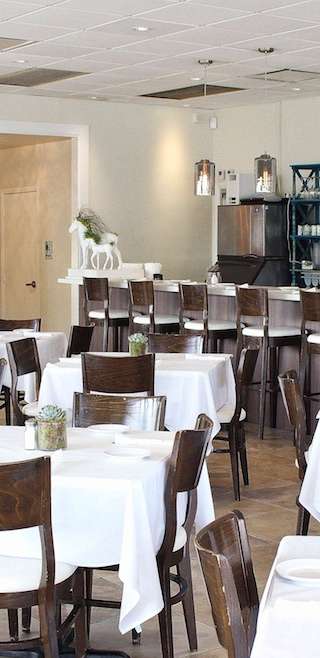 Madroño Restaurant
 Los Ranchos Steakhouse
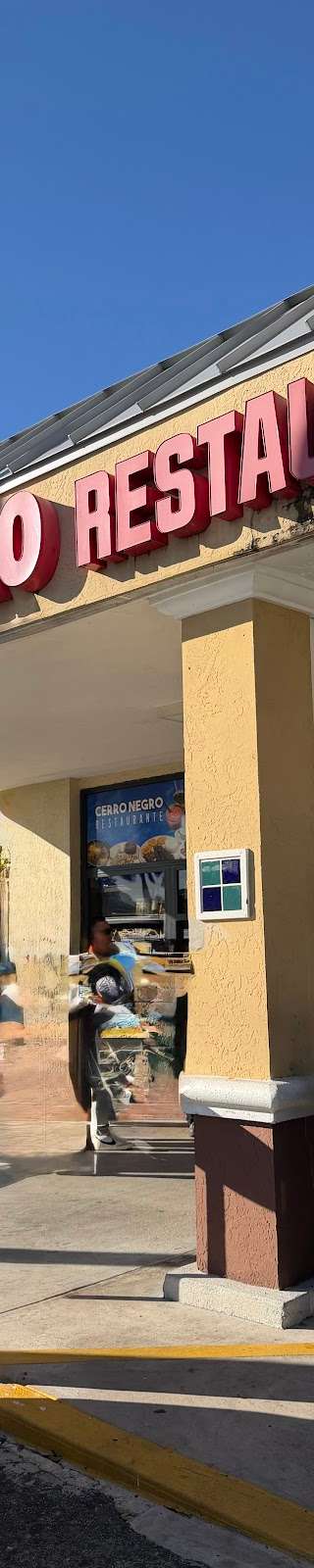 Cerro Negro
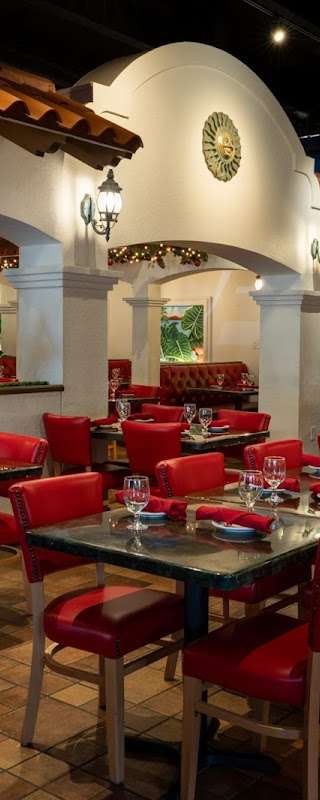 El Novillo Restaurant
Quesillo, Nacatamales, and Nicaraguan Bakeries
The last stop is the corn-and-dairy end of the cuisine, which in Miami lives in bakeries and small specialty counters rather than restaurants. The signature item is quesillo: a soft, braided string cheese wrapped in a hot corn tortilla with pickled onions and a pour of thin sour cream, served in a plastic bag so you can eat it with one hand. It's a roadside snack in Nicaragua — the town of Nagarote is famous for it — and there are a handful of counters in Miami that specialize in nothing else. Nacatamales are the weekend breakfast; rosquillas are the crunchy, ring-shaped corn-and-cheese cookies you eat with coffee; pío quinto and tres leches are the cakes; and a good Nicaraguan bakery will have all of them.
Quesillos Guiliguiste, on West Flagler in the Sweetwater stretch, is the quesillo specialist — a tiny counter where the tortillas are pressed to order and the quesillo comes exactly the way it does on the road out of Managua, with a cold cacao drink or tiste on the side. Btwins Panadería Nicaragüense, on SW 1st Street in Little Havana, is the bakery of record: pan dulce, picos, rosquillas, and celebration cakes, with a steady line of regulars and coffee to go. For the wider pastry picture, our guide to the best bakeries in Miami covers the Cuban, Argentinian, and French counters that share these same blocks, and if the corn-and-cheese theme has you curious about the empanada side of Latin Miami, we've written a full guide to the city's empanada scene.
Quesillo and Nicaraguan bakeries to try in Miami:
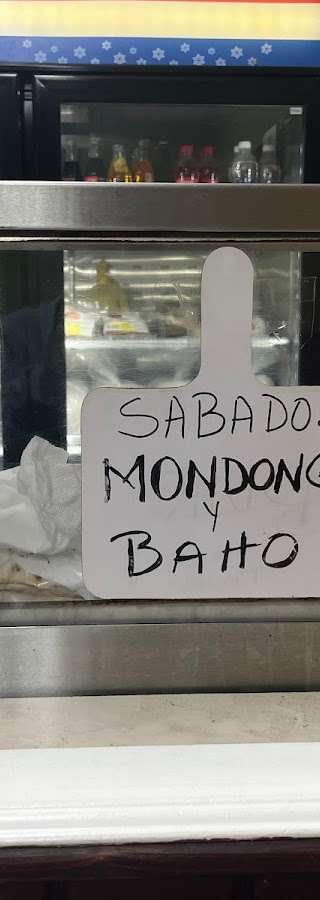 Quesillos Guiliguiste
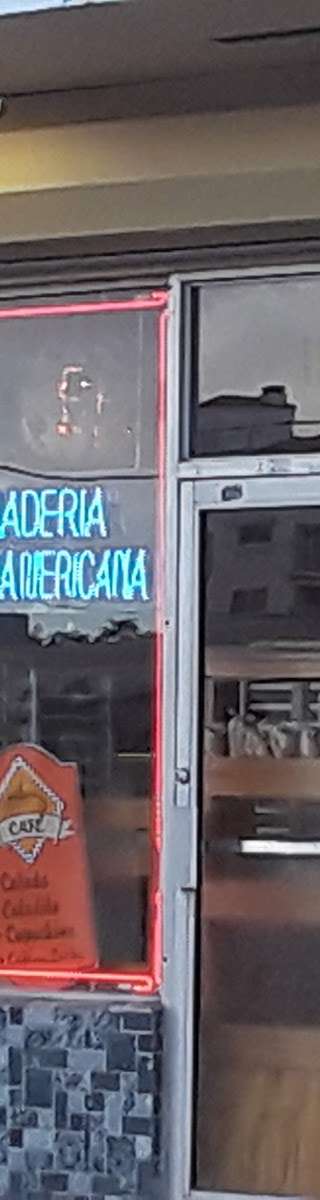 Btwins Panadería Nicaragüense
Nicaraguan food in Miami has never needed the attention — the fritangas have been full for forty years without a single glossy write-up — but it deserves it, and Hispanic Heritage Month is as good an excuse as any to go find out why. Start with one plate of carne asada, gallo pinto, maduros, and queso frito at any counter on West Flagler; if that lands, work your way through the churrasco houses and the quesillo stands from there. The whole tour will cost you less than one dinner in Brickell, and you'll understand the western half of the county a lot better for it.