May 31, 2026
A Guide to Mediterranean Food in Miami: What It Means and Where It Fits
“Mediterranean food” is one of the most popular restaurant categories in the United States, but it is also one of the broadest. Depending on the restaurant, it may refer to Greek gyros, Lebanese hummus and shawarma, Turkish kebabs, Israeli-style pita sandwiches, Moroccan tagines, or a modern mix of several regional traditions.
From a restaurant perspective, Mediterranean cuisine is best understood as an umbrella category. It generally refers to the foods of countries and regions surrounding the Mediterranean Sea, with a strong emphasis on olive oil, grilled proteins, vegetables, legumes, herbs, grains, yogurt, flatbreads, seafood, and shared plates.
In Miami, the category is especially flexible. Some restaurants use “Mediterranean” to describe Greek or Turkish food; others use it for Lebanese, Arab, Israeli, Moroccan, or broader Middle Eastern menus. Many modern restaurants also use the term to suggest a coastal, fresh, vegetable-forward dining style.
Common Mediterranean restaurant subcategories in Miami include:
- Greek restaurants in Miami
- Arab, Levantine, and Middle Eastern restaurants in Miami
- Turkish restaurants in Miami
- Israeli and modern Eastern Mediterranean restaurants in Miami
- Moroccan and North African restaurants in Miami
- Fast-casual Mediterranean restaurants in Miami
- Upscale pan-Mediterranean restaurants in Miami
- Italian, Spanish, French, and Adriatic restaurants in Miami, which are technically Mediterranean but usually treated as separate restaurant categories
Below is a practical guide to the major restaurant categories usually included under “Mediterranean food.”
Greek Restaurants in Miami
Greek food is one of the most familiar Mediterranean cuisines in the United States. It is often centered around grilled meats, seafood, salads, yogurt sauces, lemon, oregano, olive oil, feta, and phyllo pastries.
Common dishes include gyros, souvlaki, Greek salad, spanakopita, moussaka, dolmades, tzatziki, lemon potatoes, grilled octopus, and baklava.
Greek restaurants may range from casual gyro shops to elegant seafood-focused dining rooms.
Greek Restaurants to explore in Miami:
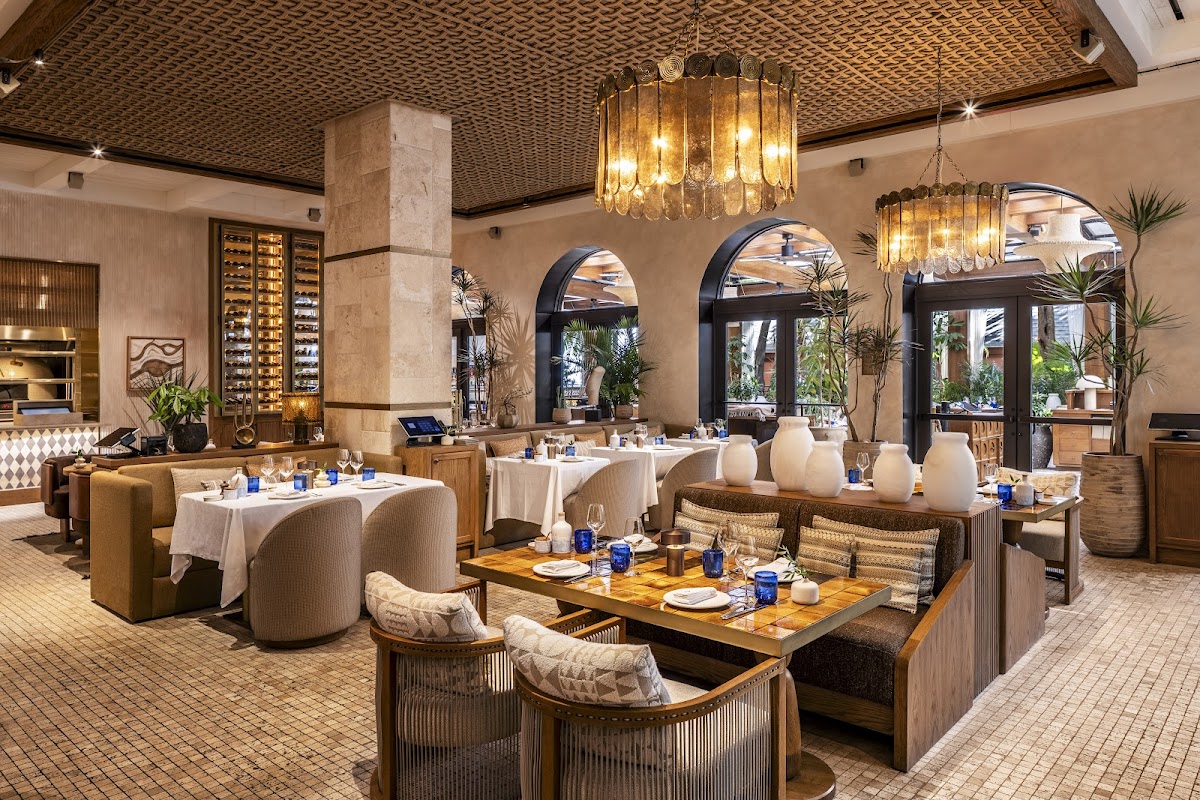 AVA MediterrAegean
  Meraki Greek Bistro
 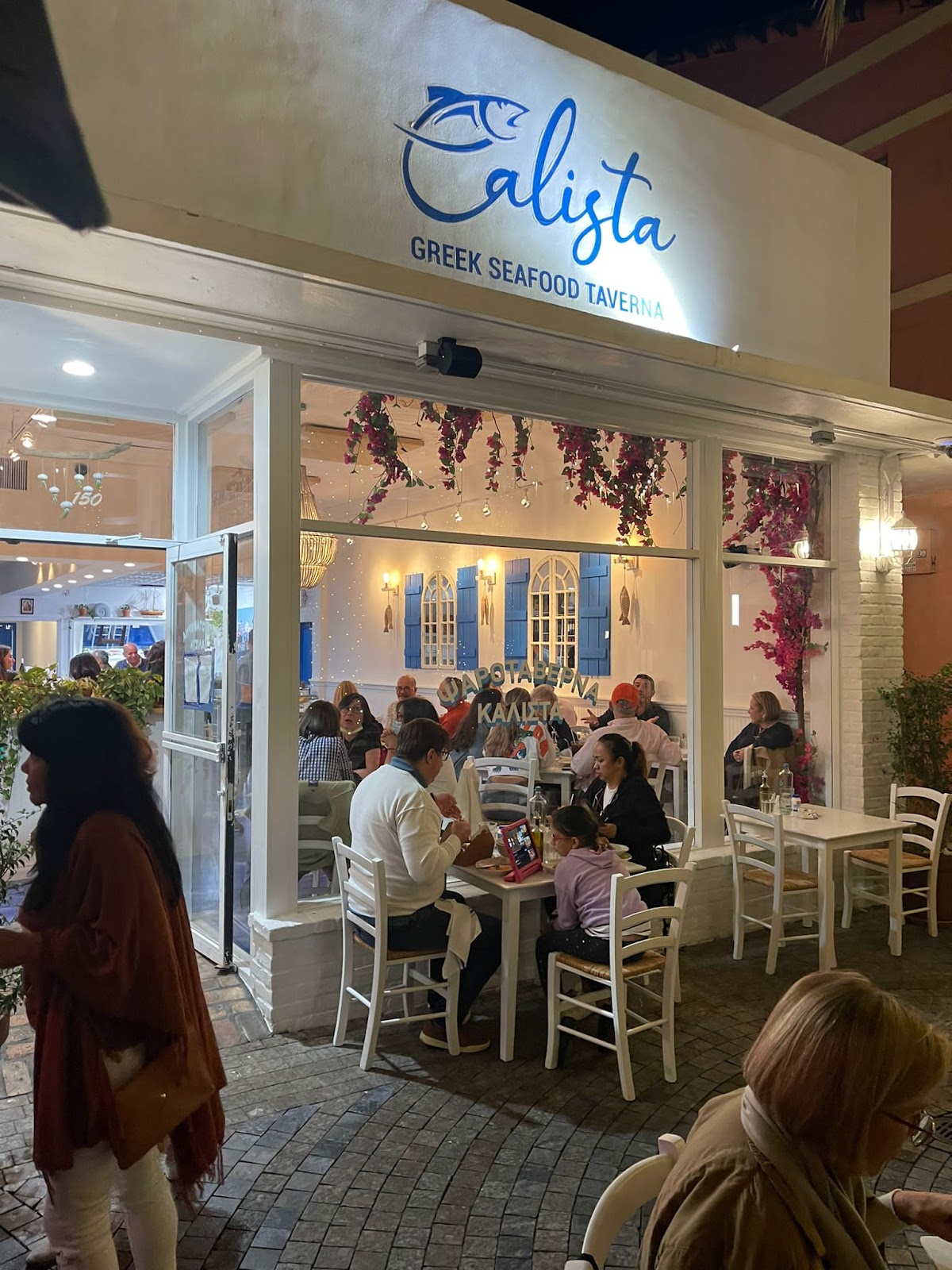 Calista Greek Seafood Taverna
Arab, Levantine, and Middle Eastern Restaurants in Miami
When many Americans think of Mediterranean food, they are often thinking of Arab, Levantine, or broader Middle Eastern cuisine. This is one of the most common sources of the hummus, falafel, shawarma, pita, grilled meats, rice platters, and mezze dishes associated with Mediterranean restaurants in the U.S.
“Levantine” refers to the eastern Mediterranean region, especially Lebanon, Syria, Palestine, Jordan, and nearby areas. In restaurant terms, Levantine cuisine often overlaps with Arab and Middle Eastern food, although Middle Eastern is a broader category that can also include Turkish, Persian, Armenian, Egyptian, Iraqi, Gulf, and other regional influences.
This style of Mediterranean food is especially common in casual and fast-casual restaurants because it works beautifully in bowls, wraps, platters, and shared appetizers.
Common dishes include hummus, falafel, shawarma, baba ghanoush, tabbouleh, fattoush, labneh, toum, kafta, kebabs, kofta, stuffed grape leaves, lentil soup, rice platters, pita, tahini, and pickled vegetables.
Middle Eastern Restaurants to explore in Miami:
 Beirut Doral
  Lira Beirut Eatery
 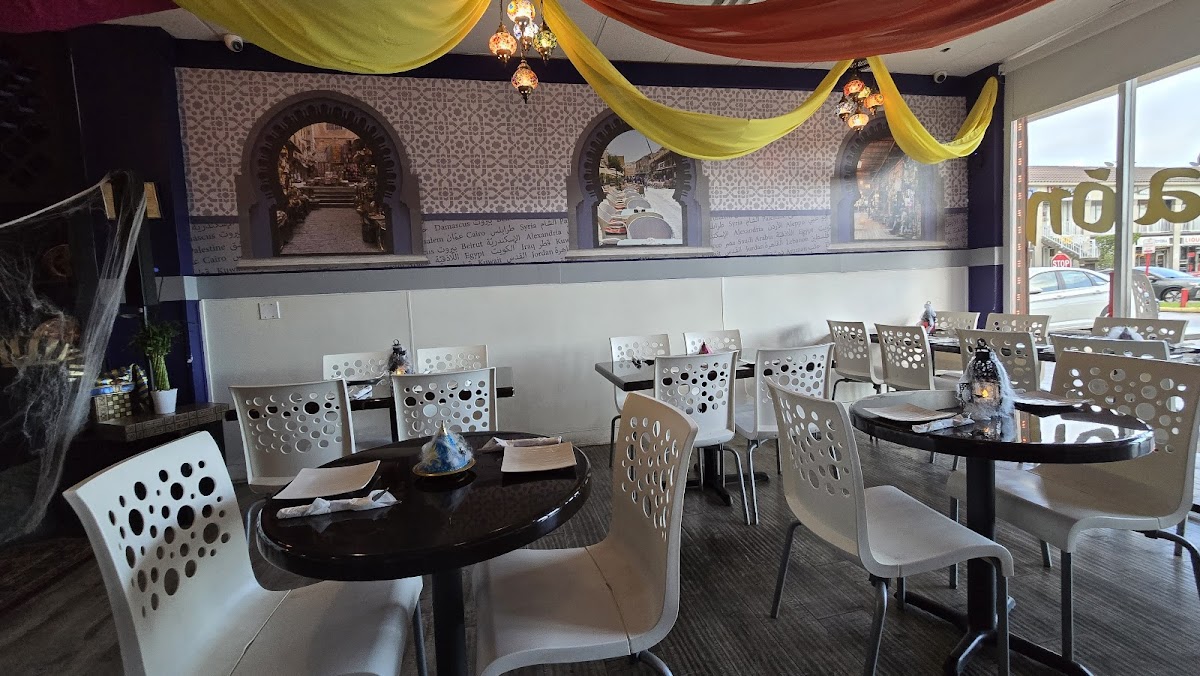 Faraon Restaurant
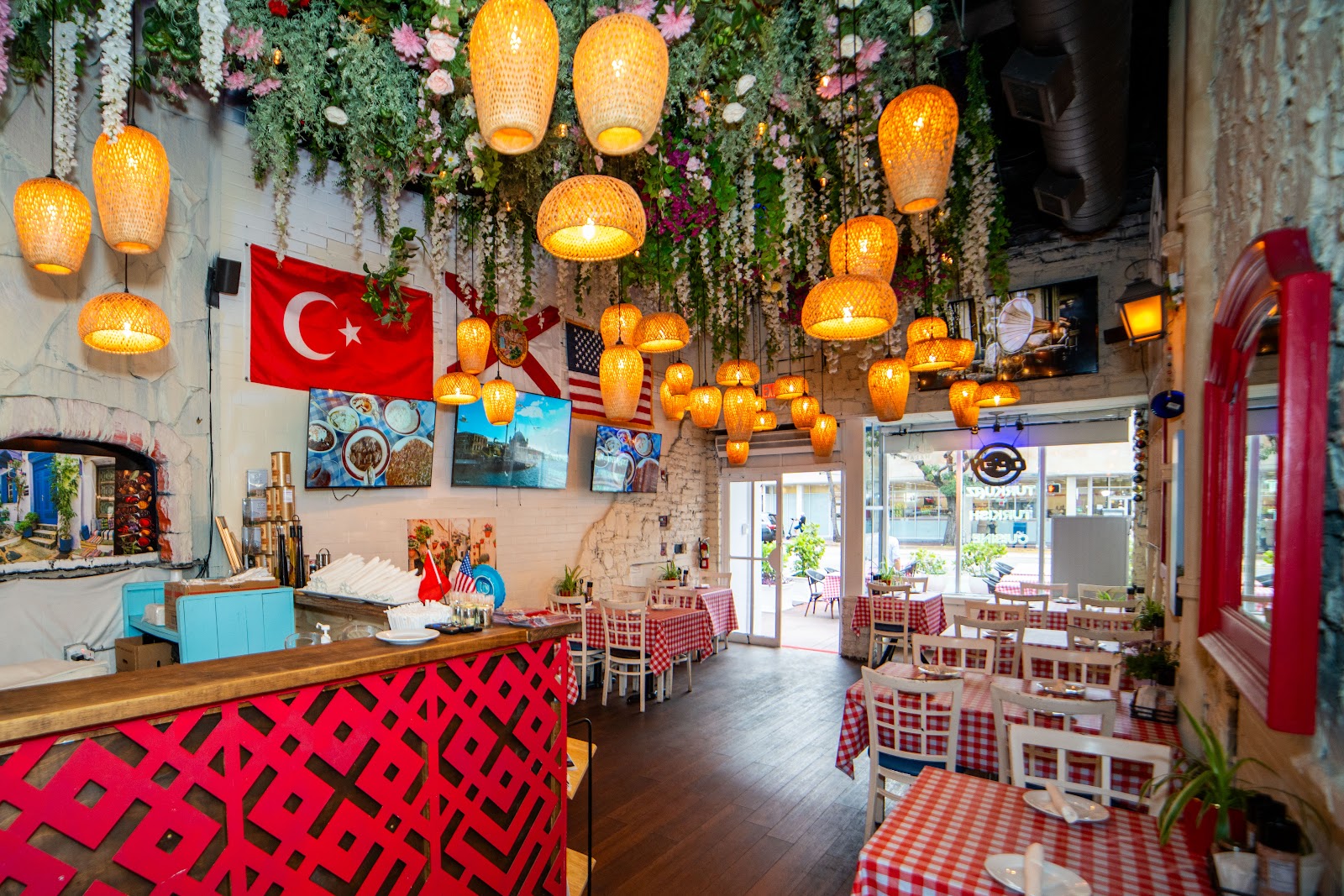
Turkish Restaurants in Miami
Turkish cuisine sits at the crossroads of Europe, Asia, and the Middle East, making it one of the most important Mediterranean food traditions. In the U.S., Turkish restaurants are sometimes listed separately as Turkish, and sometimes grouped under Mediterranean.
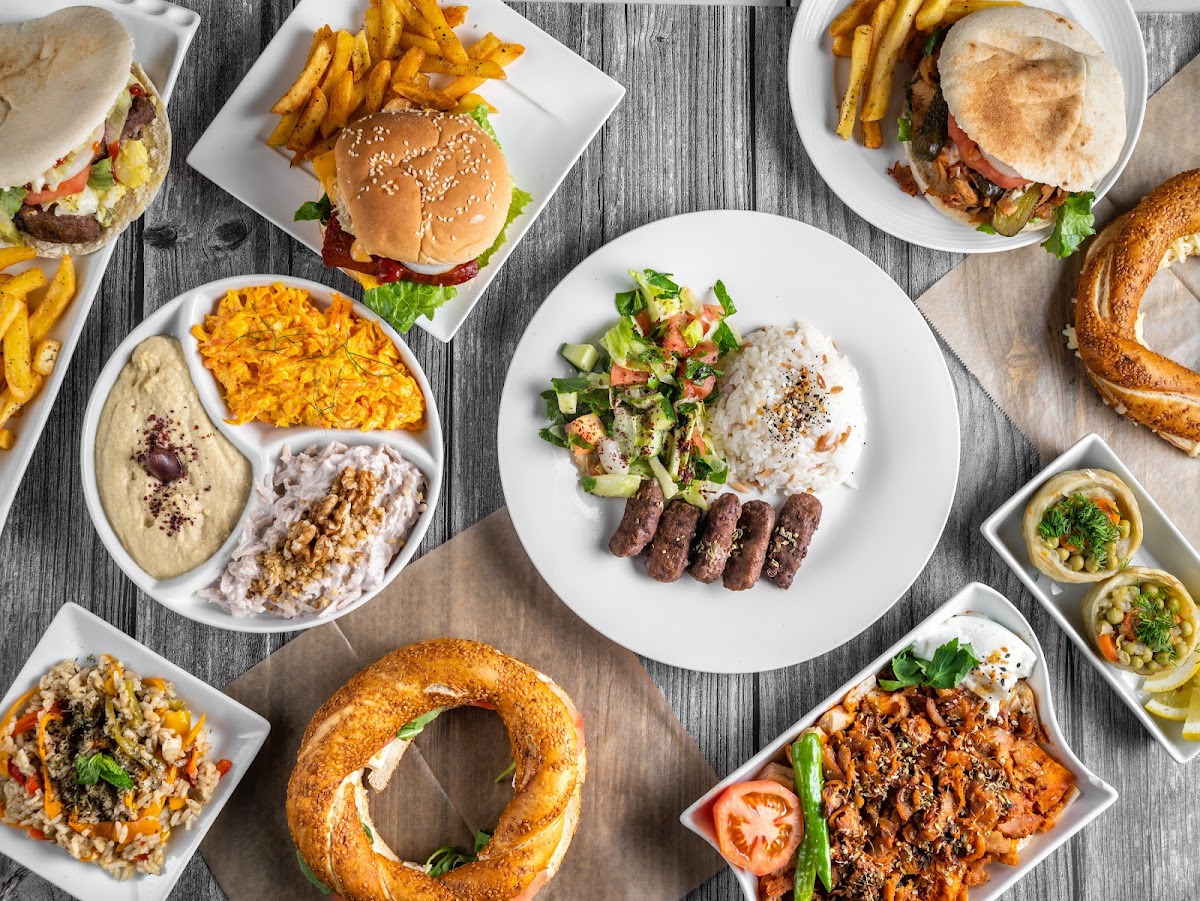
Turkish menus often feature grilled meats, flatbreads, yogurt-based sauces, eggplant dishes, savory pastries, and a wide range of small plates known as meze.
Common dishes include döner, kebab, köfte, lahmacun, pide, börek, ezme, cacık, imam bayıldı, Turkish coffee, and baklava.
Turkish Restaurants to explore in Miami:

Israeli and Modern Eastern Mediterranean Restaurants in Miami
Israeli cuisine is often presented in the U.S. as Mediterranean, Middle Eastern, or “modern Israeli.” It draws from Jewish diaspora cooking, Levantine food, North African flavors, and contemporary restaurant culture.
This category is especially known for fresh pita, vibrant salads, tahini, hummus, grilled meats, vegetable dishes, and street-food-inspired plates.
Common dishes include falafel, hummus, sabich, shakshuka, Israeli salad, schnitzel pita, laffa, tahini, amba, grilled eggplant, and rugelach.
Israeli and Modern Eastern Mediterranean Restaurants to explore in Miami:
 Motek – Coral Gables
  NEYA Restaurant
  Abbalé Modern Mediterranean Kitchen - Aventura
Moroccan and North African Restaurants in Miami
North African cuisine is an important part of the Mediterranean food world, especially Moroccan, Tunisian, and Algerian traditions. In American cities, Moroccan is usually the most visible of these restaurant categories.
North African Mediterranean food often features warm spices, slow-cooked meats, couscous, preserved lemon, olives, dried fruits, harissa, and aromatic stews.
Common dishes include tagine, couscous, harira, merguez sausage, bastilla, preserved lemon chicken, lamb with prunes, charmoula, and mint tea.
Moroccan Restaurant to explore in Miami:

Fast-Casual Mediterranean Restaurants in Miami
Fast-casual Mediterranean has become one of the most visible versions of the cuisine in the U.S. These restaurants usually offer customizable bowls, salads, and pita wraps with a mix of Greek, Middle Eastern, Turkish, Israeli, and North African ingredients.
A typical fast-casual Mediterranean order might include rice or greens, grilled chicken or falafel, hummus, cucumber-tomato salad, pickled onions, feta, olives, tahini, tzatziki, harissa, and pita.
This category is less about one national cuisine and more about a flexible format that combines familiar Mediterranean flavors in a quick, modern way.
Fast-casual Mediterranean Restaurants to explore in Miami:
 Rice Mediterranean Kitchen
 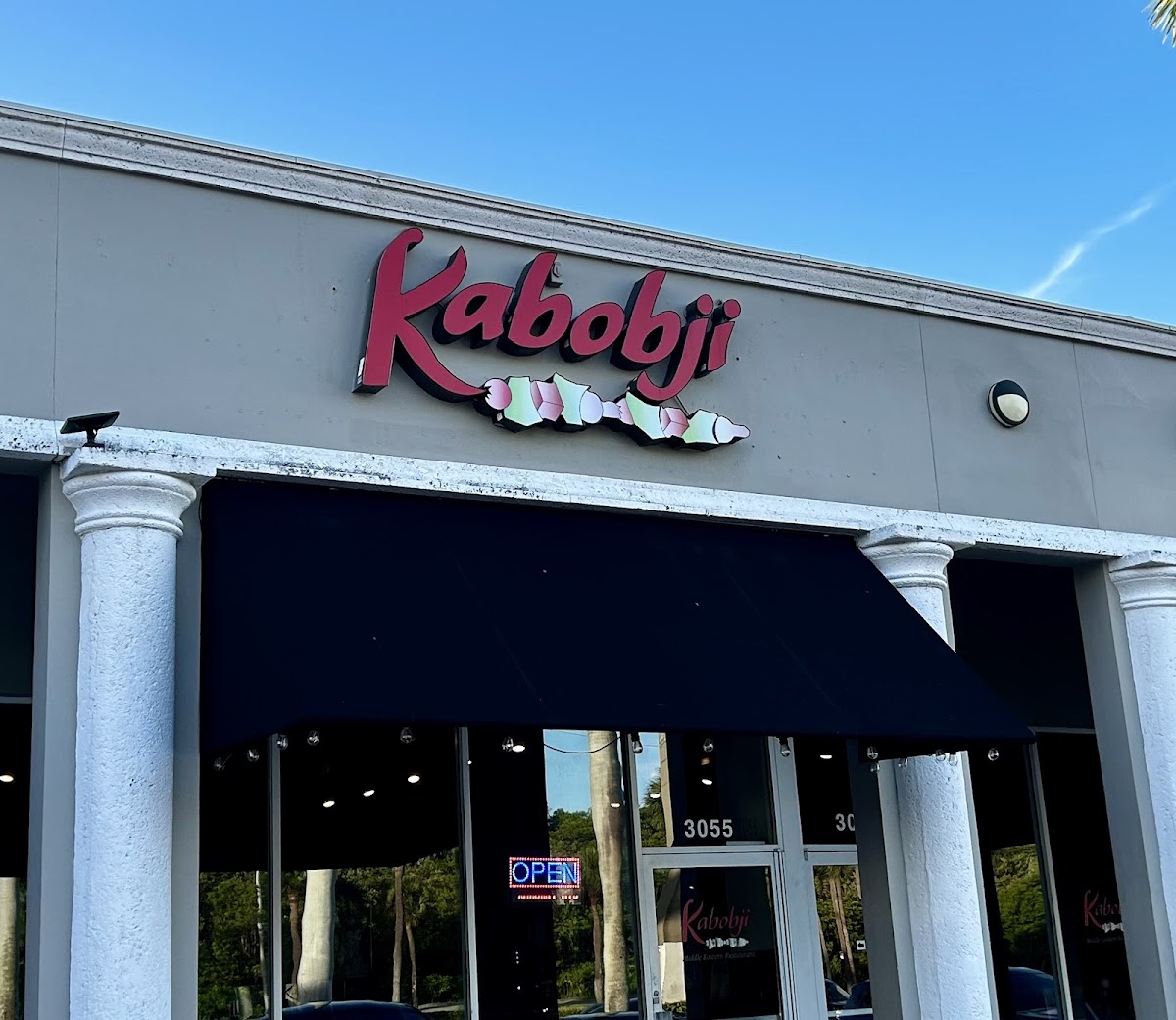 Kabobji
 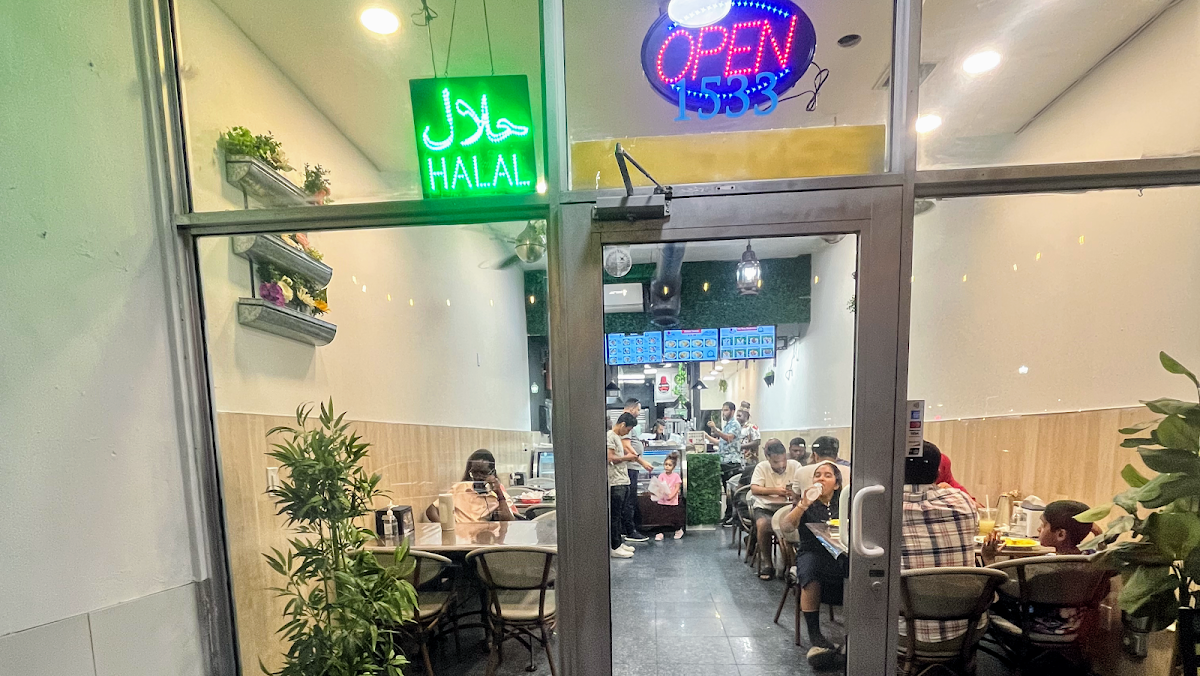 Al Basha Grill
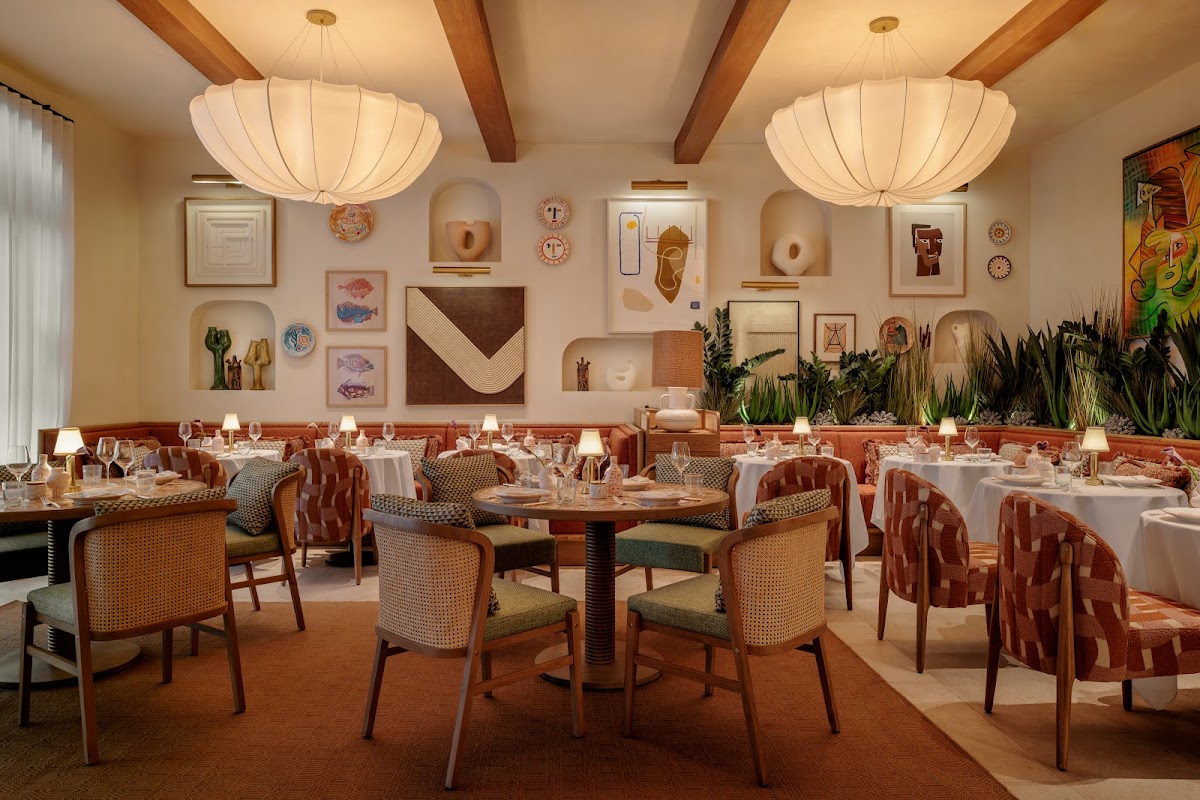
Upscale Pan-Mediterranean Restaurants in Miami
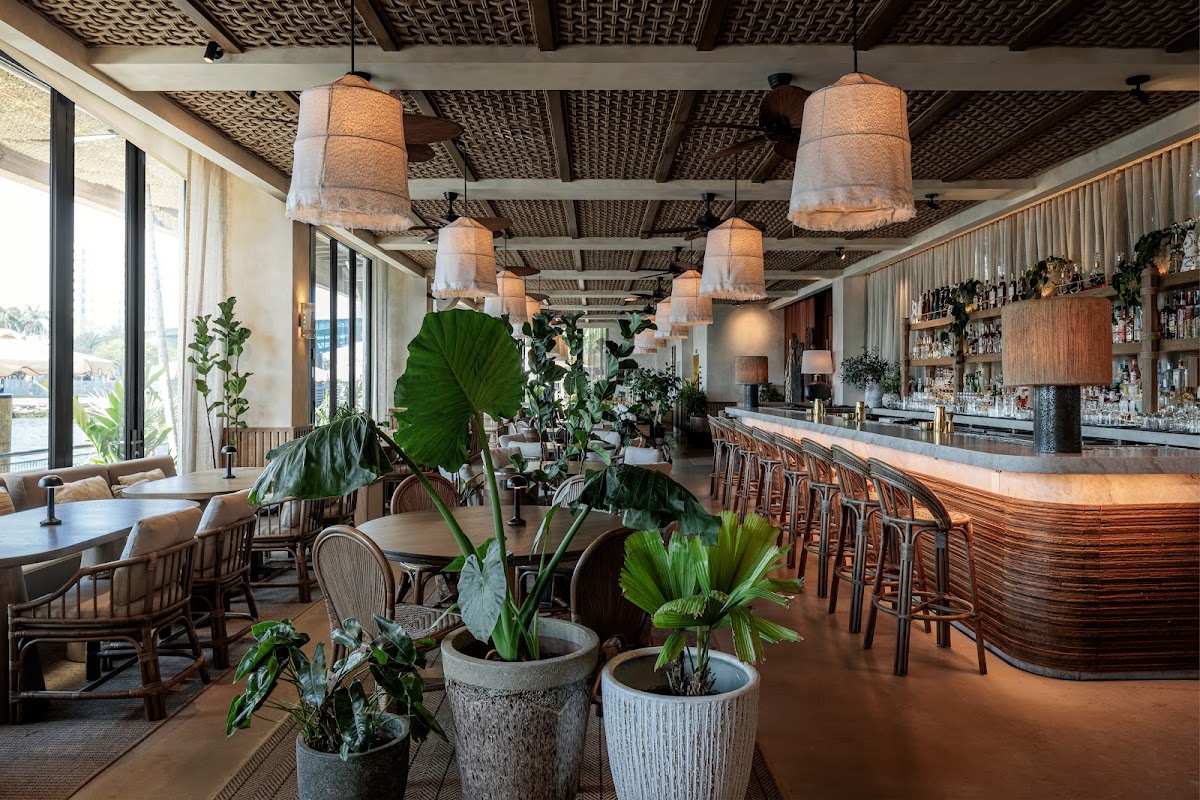
Some restaurants use “Mediterranean” in a broader, more chef-driven way. These menus may combine Greek seafood, Turkish meze, Lebanese dips, Moroccan spices, Israeli-style vegetables, and broader coastal influences.
These restaurants are often built around small plates, grilled fish, vegetables, wine, cocktails, and a coastal atmosphere. They may not represent one country specifically, but instead create a modern dining experience inspired by the wider Mediterranean region.
Common dishes include whole grilled fish, mezze platters, crudo, grilled octopus, roasted eggplant, lamb chops, handmade flatbreads, olives, seafood rice, and vegetable-forward small plates.
Upscale Pan-Mediterranean Restaurants Restaurants to explore in Miami:

Italian, Spanish, French, and Adriatic Restaurants in Miami
Italian, Spanish, southern French, and Adriatic cuisines are technically Mediterranean. Italy, Spain, southern France, Croatia, Albania, Montenegro, and nearby coastal regions all belong to the larger Mediterranean food world.
However, in the U.S. restaurant market, these cuisines are usually treated as separate categories. An Italian restaurant is typically listed as Italian, a Spanish restaurant as Spanish or tapas, and a French restaurant as French or Provençal, rather than simply “Mediterranean.”
They still share many Mediterranean ingredients and habits: olive oil, seafood, tomatoes, herbs, grilled vegetables, wine, bread, rice dishes, small plates, and coastal cooking.
Common dishes may include Italian seafood pasta and branzino, Spanish tapas and paella, French bouillabaisse and ratatouille, and Adriatic grilled fish, burek, ajvar, and seafood stews.
Mediterranean vs. Middle Eastern in Miami: What’s the Difference?
The two categories overlap, but they are not exactly the same.
Middle Eastern food usually refers more specifically to cuisines from countries and regions such as Lebanon, Syria, Palestine, Jordan, Israel, Turkey, Iran, Iraq, Egypt, Armenia, and the Arabian Peninsula.
Mediterranean food is broader. It can include Middle Eastern food, but also Greek, Turkish, North African, Italian, Spanish, French, and Adriatic cuisines.
In the restaurant world, “Mediterranean” is often used because it feels broad, accessible, and health-oriented. A restaurant serving hummus, falafel, shawarma, kebabs, Greek salad, rice bowls, and pita may call itself Mediterranean even if much of the menu is more specifically Lebanese, Arab, Greek, Turkish, Israeli, or Middle Eastern.
The Bottom Line in Miami
In Miami, Mediterranean food is best understood as a broad family of cuisines connected by geography, ingredients, and dining style. It includes everything from Greek gyros and Lebanese hummus to Turkish kebabs, Israeli-style pita dishes, Moroccan tagines, modern Mediterranean bowls, and upscale coastal seafood.
For diners, that makes Mediterranean one of the most diverse and enjoyable restaurant categories in the city. Whether you are looking for a quick falafel wrap, a Greek seafood dinner, a Moroccan tagine, a Turkish kebab platter, or an elegant coastal tasting menu, Mediterranean cuisine offers many ways to eat fresh, flavorful, and generously.